

In the world of photography, the line between “hobbyist” and “professional” is sharper than most people think—and yet, it’s also blurrier than ever. As someone who considers myself a passionate hobbyist (or a “commoner,” if we’re being tongue-in-cheek), I’ve walked both sides of this invisible divide, and I’ve got strong feelings about what truly matters in photography.
The Gear Doesn’t Make the Photographer—But It Sure Can Make You Feel Excluded
Let’s get real: in photography circles, there’s a distinct vibe.
If you don’t have the latest, most expensive gear—or if you’re not shooting weddings, models, or magazine covers for a living—you’ll sometimes be treated like you’re “less than.”
This “noble vs. commoner” mindset is alive and well in everything from online forums to real-world camera clubs. Walk into a photography event with a 10-year-old camera or a manual lens, and you’ll often feel the stares.
But here’s the truth:
- The best camera is the one you have with you. Legendary street photographer Henri Cartier-Bresson shot some of the most iconic images in history with a simple Leica and a single lens.
- Some of the most viral wildlife or street photos ever were taken on “outdated” cameras or even smartphones.
- Being a hobbyist means you shoot for passion, not for a paycheck. That usually makes you more adventurous, more creative, and less limited by commercial rules.
Professional Status Isn’t What You Think
Many “professional” photographers are just people who make some (sometimes not much!) money with a camera. For every big-name pro, there are thousands of working photographers grinding through corporate headshots, event gigs, real estate photos, or product shots for boring catalogs.
It’s honest work—but most pros rarely get to shoot what they love.
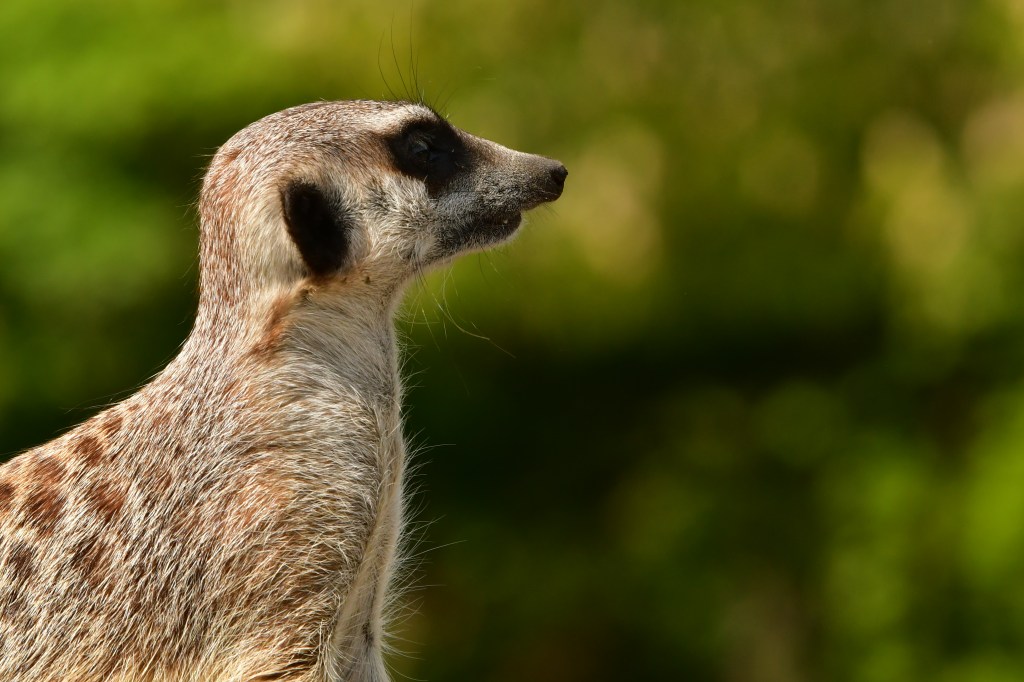
Meanwhile, hobbyists (the so-called “commoners”) are out there chasing sunsets, stalking rare birds, lying in the grass for the perfect insect macro, or spending hours at the zoo to catch that one magical animal moment.
You shoot for yourself and your own vision—not because someone’s paying you.
Example:
- Some of the most passionate wildlife shooters at any zoo aren’t the ones with “Press” badges—they’re regular people lugging their DSLR and homemade sandwiches, spending all day waiting for that one shot of the tiger yawning in the sun.
Creative Freedom vs. Commercial Constraints
Hobbyists are free to experiment, fail, and try weird things.
Professionals, on the other hand, are under constant pressure to deliver what the client expects, on time, and with zero mistakes.
That means safe shots, lots of repetition, and often very little time for creative exploration.
Some of the world’s most iconic images?
- Taken by amateurs, travelers, or hobbyists in the right place at the right time, simply because they cared more about the moment than about perfection.
- The iconic “Afghan Girl” photo by Steve McCurry was a passion project, not a paid commission. Some of the best wildlife photos are snapped by patient hobbyists who return to the same spot for years.
The Stigma: Commoners Aren’t Respected—But Why?
Let’s be honest: in many online groups and real-world gatherings, there’s a subtle (or sometimes not-so-subtle) hierarchy.
If you’re not making money, some “nobles” will treat you like you’re playing at being a photographer.
Yet, ironically, many “pros” will admit that hobbyists often push the art form forward, because they’re not locked into commercial ruts.
You know what’s really funny?
Some “noble” photographers look down on hobbyists, but the moment you get a shot that blows up online, suddenly everyone wants to know your gear, your settings, and how you did it!
Personal truth:
I’ve had pros dismiss my gear (even though I shoot on a D7500 and have used everything from 18-55mm to 70-200mm and a 420-800mm monster).
But the photos that people talk about are the ones where I waited, watched, and took the shot because I wanted to, not because it was my job.
Technical Reality: You Don’t Need the Most Expensive Gear
Here’s some cold, hard facts:
- Most modern DSLRs (even old ones) will out-resolve almost any screen or social media platform.
- Lenses like a 55-300mm or a manual 420-800mm can give you images that rival pro-level telephotos in the right hands.
- Autofocus, stabilization, and high frame rates make things easier, but skill and patience are still king.
- Many professional wildlife photographers still use manual focus for the most precise shots (especially for birds, insects, or moon photography).
The Double-Camera Approach
Here’s a real-world tip:
Many hobbyists bring two cameras—one with a telephoto, one with a zoom or wide lens.
That way you don’t miss moments by swapping glass (and you’re not stuck fiddling with gear while the animals are doing something epic).
Example setup:
- D7500 with a 70-200mm for sharp, versatile reach.
- D5100 with a 55-300mm or 18-55mm for close-ups or wider scenes.
- Smartphone for instant social updates and behind-the-scenes shots.
Why “Commoners” Matter Most
If you’re shooting for love, not money, you’re the soul of photography.
You share your images, you experiment, and you make the art accessible.
Professionals keep the industry alive, but hobbyists keep the spirit alive.
“Photography is for everyone. If you see something beautiful, capture it—doesn’t matter if you’re using a phone, an old DSLR, or a five-grand lens. You’re a photographer.”
The divide between “noble” and “commoner” in photography is old-fashioned and pointless.
Respect should be earned by vision, patience, and passion—not the size of your paycheck or how many likes you get.
So if you ever feel like you’re “just” a hobbyist, remember:
You are the heart of the art form.
And sometimes, the most unforgettable moments happen because you’re free to chase them.

 Kiba Snowpaw
Leave a comment