


By Kiba Snowpaw | May 21, 2025
📸 Gear Locked and Loaded
The day began at 6:00 AM with the kind of excitement only a full day at the zoo can spark. I packed my entire photography kit:
- Nikon D7500 (main camera)
- Nikon D5100 (secondary body)
- Lightdow 420–800mm super telephoto
- Nikon 70-200mm f/2.8E FL ED VR (workhorse lens)
- Nikon 18-55mm VR II (for wide shots and urban scenes)
- Canon LEGRIA HF G70 (video coverage)
- 5x 64 GB + 4x 128 GB SD cards – every slot mattered.
- …and one overstuffed gear bag that nearly needed its own ticket.
At 7:33 AM, I left home with my backpack fully loaded—so heavy I could’ve sworn I was heading on safari, not a day trip. Before catching my train at Frederikssund Station, I made my traditional pit stop at the local Netto where I work.
Not because I forgot something—no, I was there purely to stir the pot.
I spotted my coworker, the same one I’d run into after last week’s accidental PDA return and zoo run. She was right where I expected her: ready for a long shift, not a spontaneous animal adventure. With my best deadpan face, I asked if she was coming with me to the zoo this time. The reaction? Eye-roll meets guilty giggle—she knew exactly what I was doing.
Then a second colleague joined in, just in time for me to up the mischief. “You know, you could always call in sick. Penguins and pizza beat stocking shelves any day.” That’s when the boss walked in, probably expecting morning chaos—but instead, he walked straight into the banter. My coworkers turned on him immediately:
“Come on, boss! Take the day off and go to the zoo with Kiba!”
He just laughed and played along, “Sure, why not? I’ll ditch my job for a day at the zoo.” (No one believed him, but the comedy was on point.)
Before heading out, I picked up a sandwich for breakfast, a half-liter of cola, and a chunky bar of Marabou chocolate for extra motivation. If there’s one thing every successful photo safari needs, it’s sugar, caffeine, and a little workplace drama to start the day right.
As I left, the crew made a whole show of “walking me out”—they followed me all the way to the road, waving dramatically like I was leaving for a year, not just for a few hours of animal watching. With a final laugh and a “See you, have fun!” I headed for the station, already in the perfect mood to start the day.


After a few laughs and farewells, I caught the train.


🚶♂️A Scenic Route to the Zoo
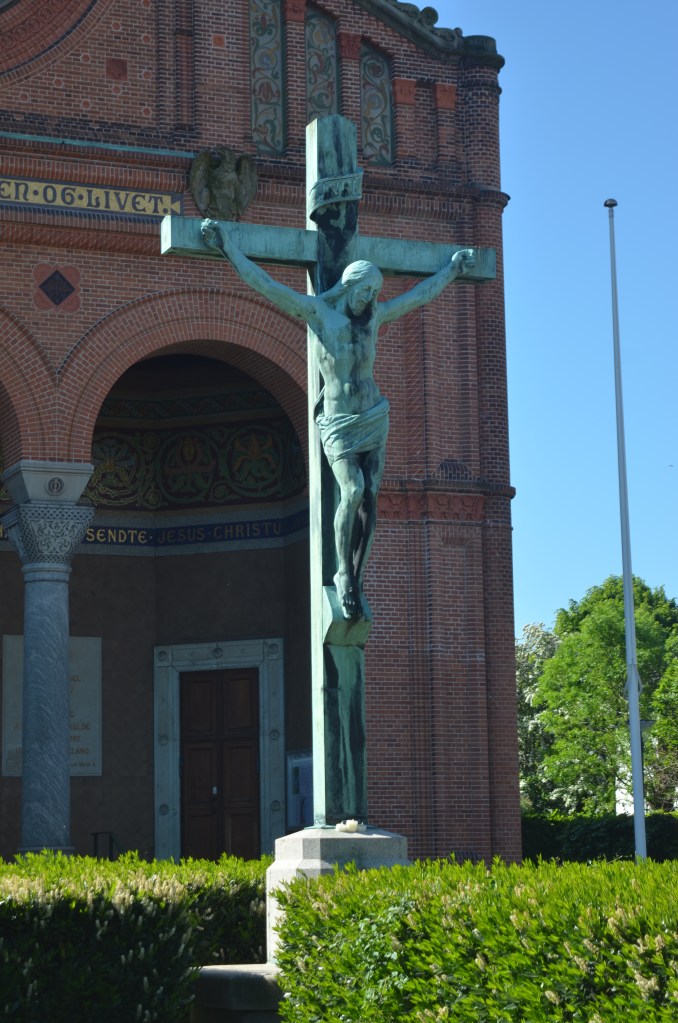
After arriving in Valby, I stepped off the train into the city’s early morning calm. My backpack felt even heavier on my shoulders as I set out toward Søndermarken, eager for that first hit of fresh park air and greenery after a morning in transit. But before I could lose myself in the trees, my route took me right past Jesuskirken—a landmark that’s impossible to ignore, no matter how many times you’ve seen it.
Jesuskirken (or “Jesus Church”) is one of Valby’s most recognizable buildings—a striking mix of Danish brickwork and almost cathedral-like grandeur. With its tall tower, ornate stone carvings, and a certain gothic mood, it stands as a kind of spiritual gatekeeper at the edge of the park. Built in the late 19th century, the church is both a piece of local history and an architectural oddity, famous for its elaborate details, like the angel statue atop the bell tower and the intricate mosaics around the entrance. For a moment, I paused—partly to adjust my camera bag, partly to take in the view.
Even on an ordinary weekday morning, the church feels otherworldly. Sunlight caught the stained glass windows, throwing a splash of color onto the sidewalk. A few early risers passed by, either on their way to work or out for a jog, barely glancing up at the steeple. I couldn’t help but wonder how many of them ever stopped to really look.
I snapped a few quick photos with my D5100 and the 18-55mm lens—sometimes you just can’t resist. Not because I needed another church photo, but because the light was perfect and the contrast between the old stone and the fresh green leaves screamed “take the shot.” If I’m honest, there’s something about old churches that always draws me in—even if my idea of spiritual is a quiet morning in nature, camera in hand.
With my photographic itch scratched and a last look at the tower, I continued toward Søndermarken, leaving the city’s brick-and-stone behind for the wild promise of the park.

🦩 Starting Strong — Flamingos & Tropical Birds
I always start with the flamingos, and today was no exception. I gave the Lightdow 420–800mm a shot, but let’s be real: it’s too soft and shaky for serious use. Swapped back to the 70–200mm and didn’t look back.
Inside the flamingo area, I photographed:
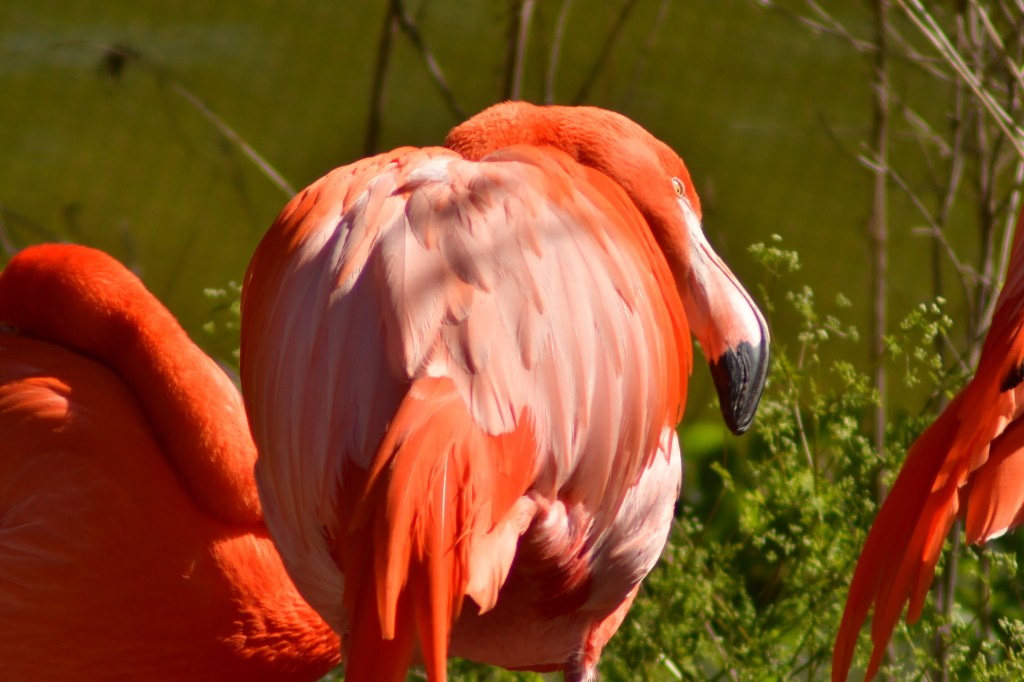
- Greater Flamingos
The Greater Flamingo is the largest and most widespread species of flamingo, found across Africa, southern Europe, and South Asia. Standing up to 5 feet tall with a wingspan of 4 to 6 feet, these birds are known for their striking pink plumage, which results from their diet rich in carotenoid pigments found in algae and crustaceans. They feed by stirring up mud with their feet and using their specialized beaks to filter out food. Greater Flamingos are social birds, often seen in large flocks, and their synchronized movements during feeding and flight are a spectacular sight.


- Ringed Teals
Native to South American forests, the Ringed Teal is a small, perching duck species. Measuring about 14 to 15 inches in length, they are known for their striking plumage and strong claws that allow them to perch on tree branches. Unlike many duck species, Ringed Teals form strong monogamous bonds, with both parents participating in incubating eggs and rearing ducklings.

- Scarlet Ibis
The Scarlet Ibis is renowned for its vibrant red coloration, which comes from a diet rich in red crustaceans. These birds are highly social, living in large colonies, and are often seen flying in V-formations to conserve energy during long flights. Their nesting sites are typically in mangroves or other wetlands, where they build nests in trees or shrubs.


- Red-breasted Geese
The Red-breasted Goose is one of the most visually striking geese, with bold patterns of black, white, and chestnut. Breeding in the Arctic tundra of Siberia, they undertake long migrations to wintering grounds in southeastern Europe. These geese often nest near birds of prey like peregrine falcons, which inadvertently protect them from predators.

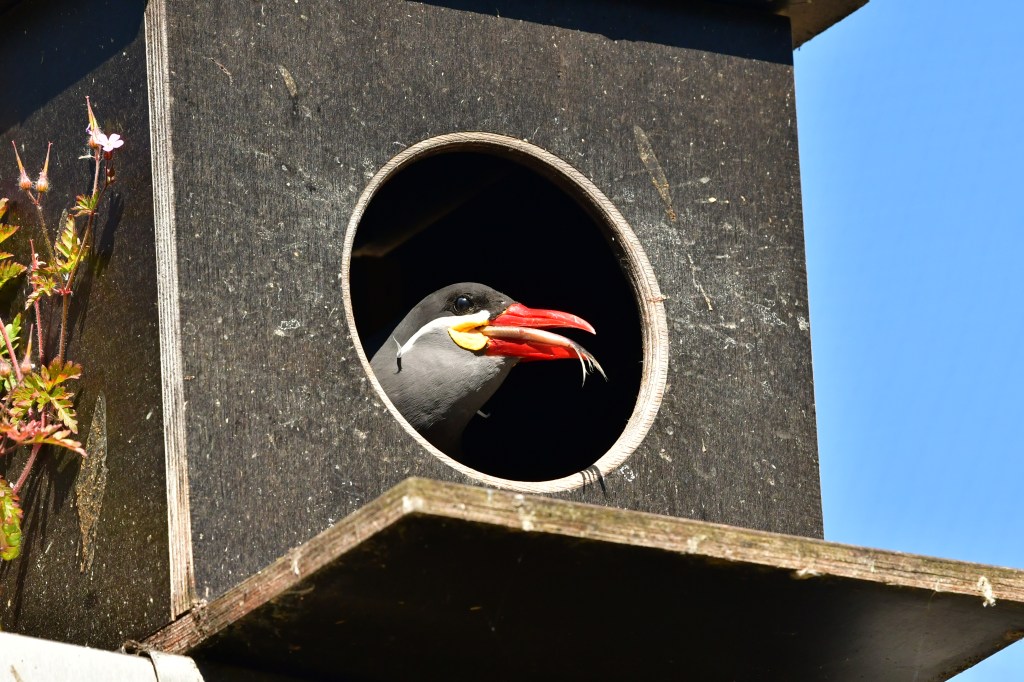
- Inca Terns (still drama queens in every zoo, and I love them for it)
Endemic to the coasts of Peru and Chile, the Inca Tern is easily recognizable by its dark gray body, red-orange beak and feet, and distinctive white mustache. These birds feed primarily on small fish like anchovies, often diving into the ocean to catch their prey. Interestingly, the length of their mustache is an indicator of health, with longer mustaches being more attractive to potential mates


🦁 Mammal Majesty — Lions to Bears
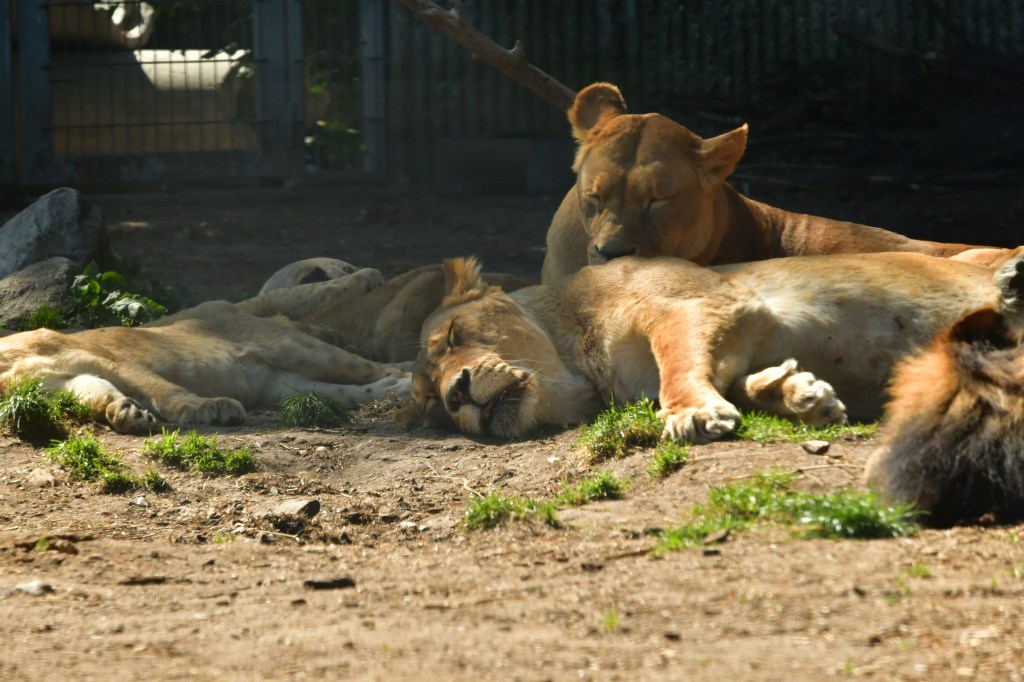
The lions were, predictably, chilling in the heat.

Then I swung by the polar bear,
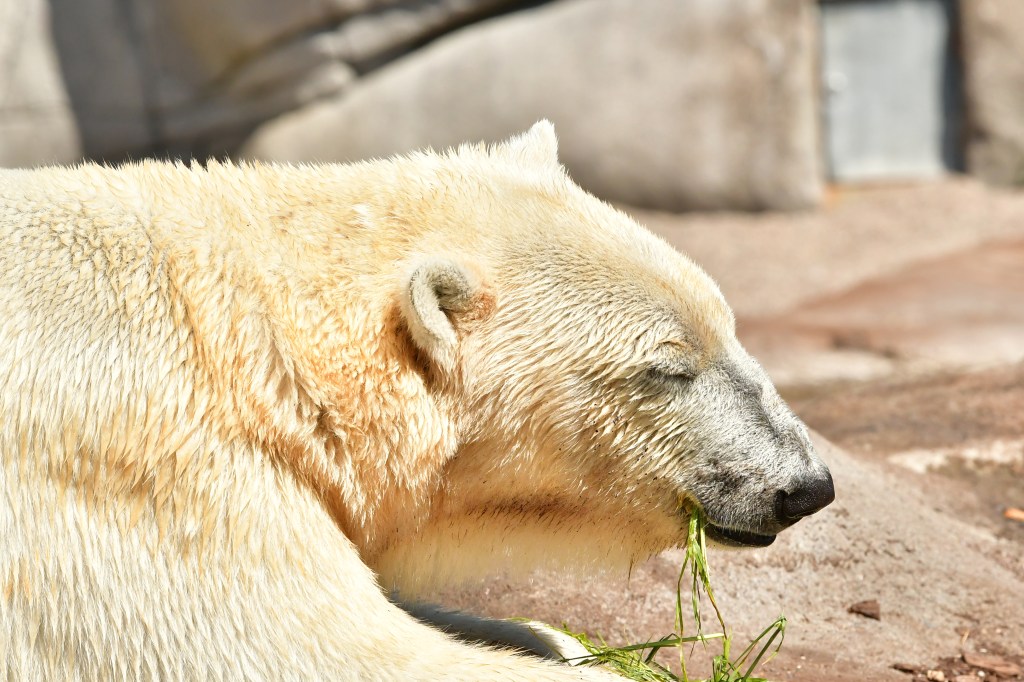
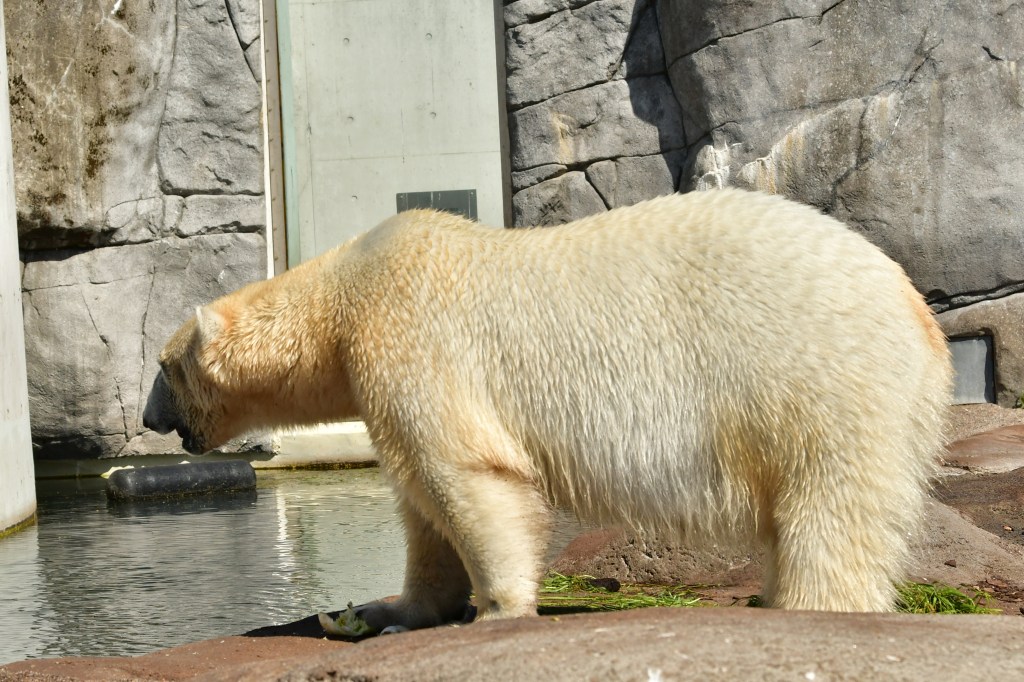
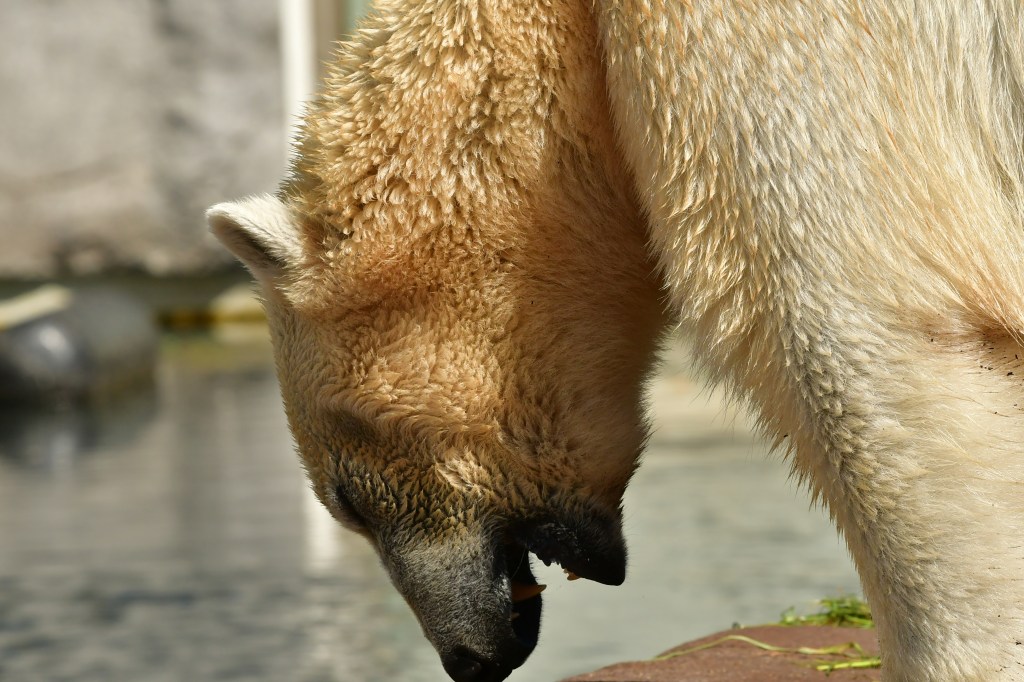

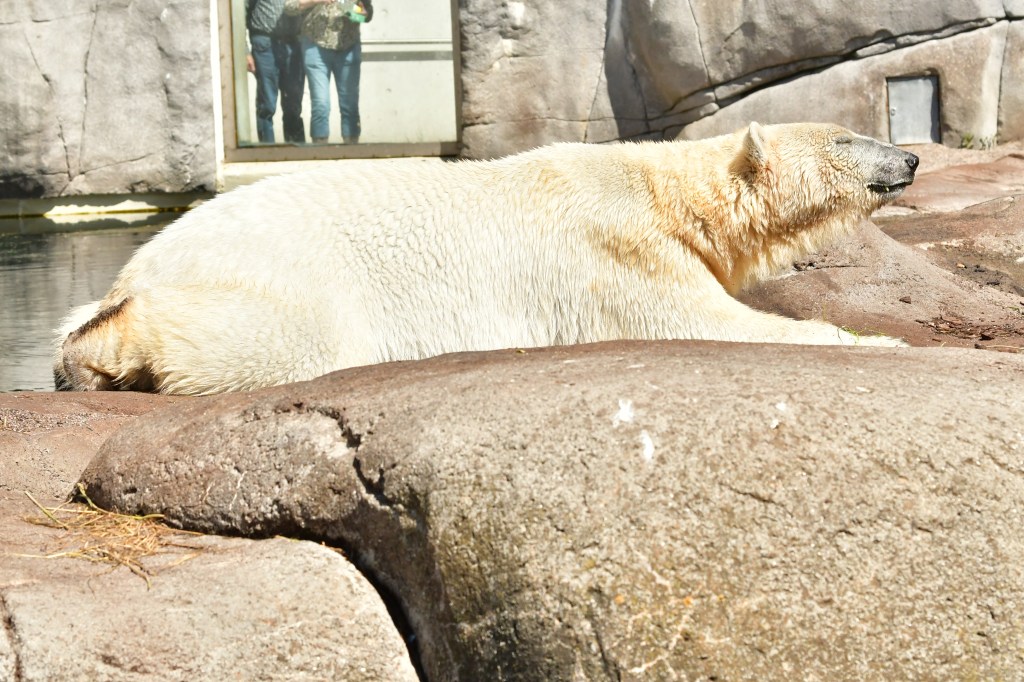
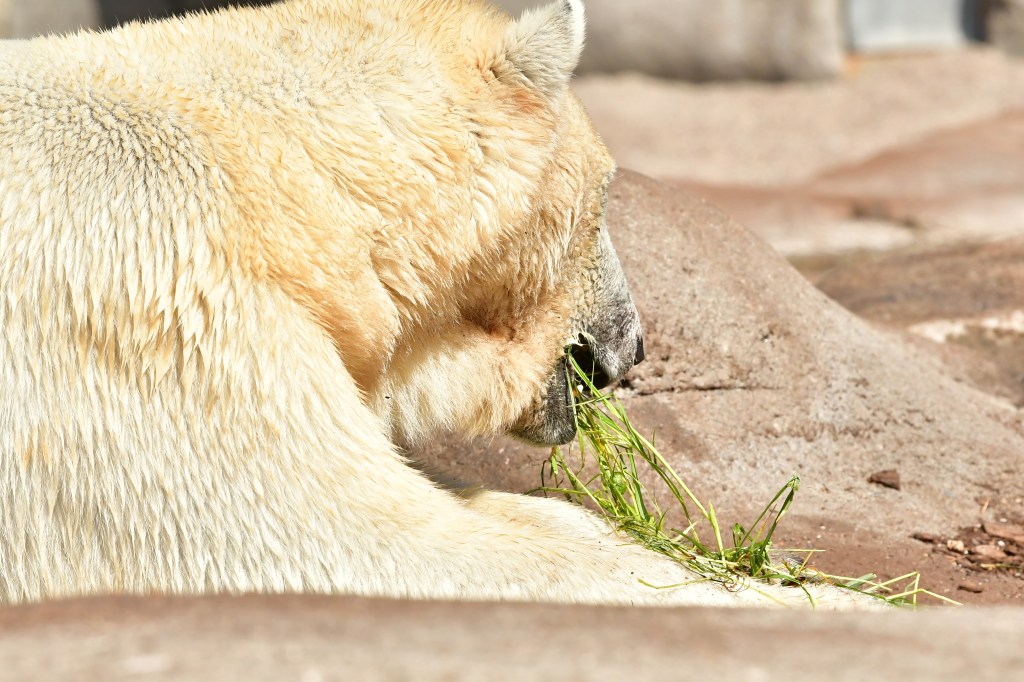

who was munching on what looked like a lettuce or cabbage head.
From there:
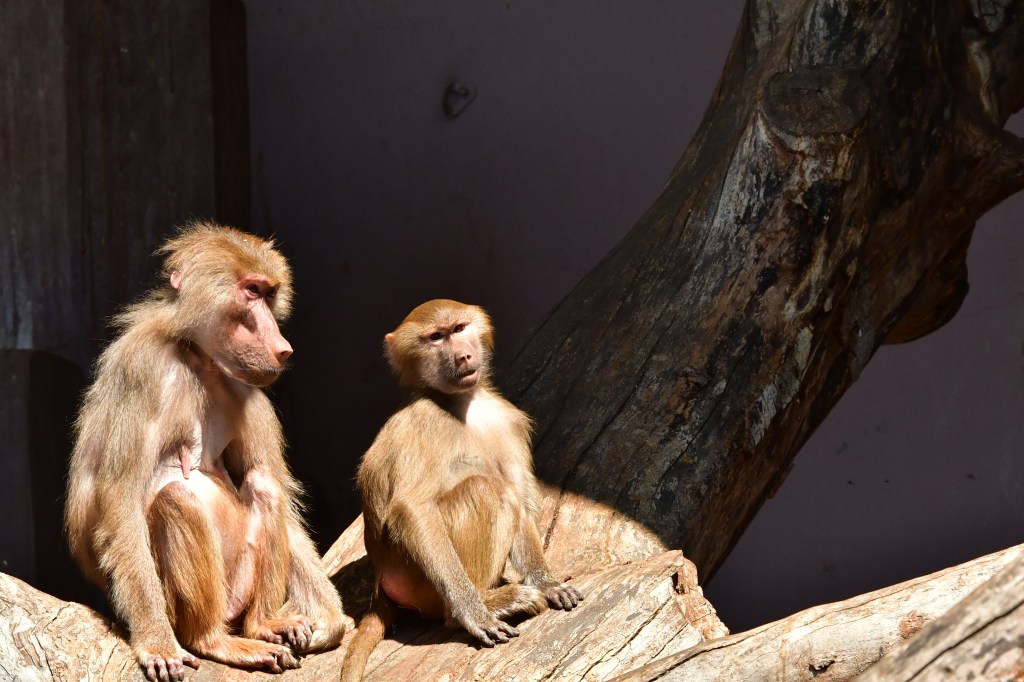
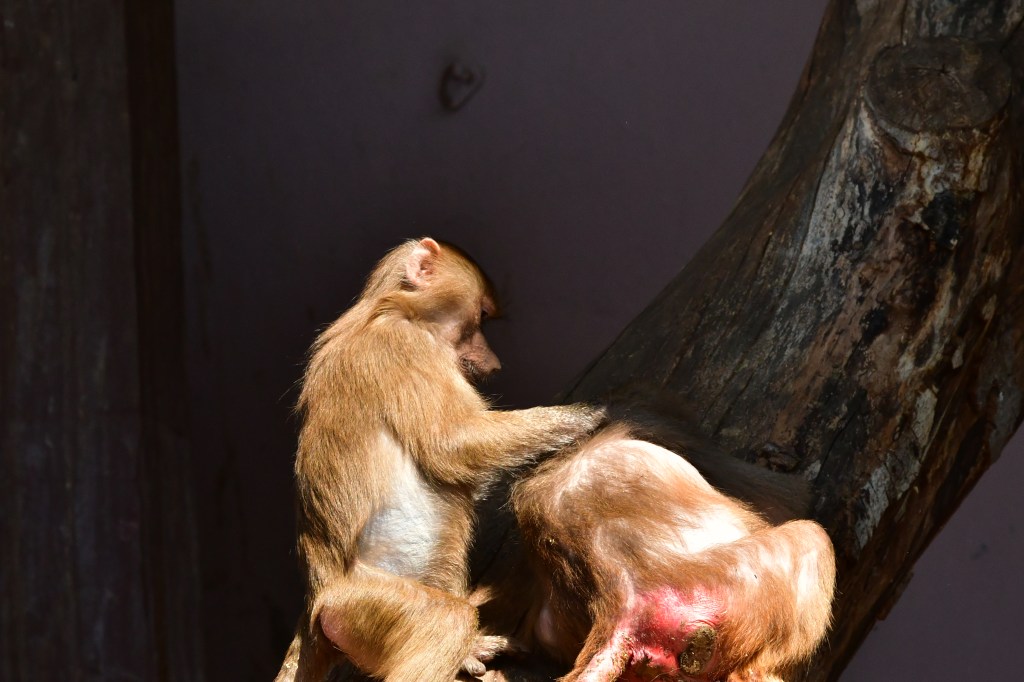
- Hamadryas baboons – captured a touching moment between a mother and young one.
Native to the Horn of Africa and the southwestern Arabian Peninsula, Hamadryas Baboons are known for their complex social structures and striking sexual dimorphism. Males boast a silver-white mane and are significantly larger than females. These baboons live in multi-level societies and are the only baboon species adapted to arid environments.

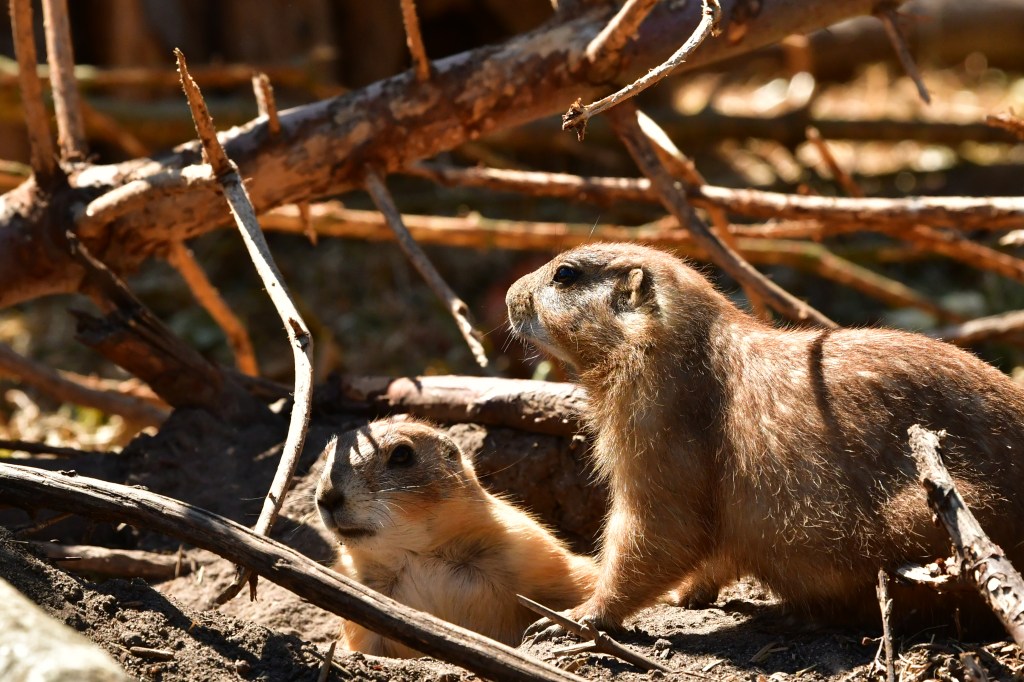
- Prairie dogs – always camera-ready.
Prairie Dogs are burrowing rodents native to the grasslands of North America. Living in large colonies known as “towns,” they have a complex system of tunnels with designated areas for nurseries, sleeping, and waste. Prairie Dogs are highly social and communicate with a sophisticated system of vocalizations to alert others of predators.


- Black-and-white ruffed lemur – one of my favorites to shoot.
Endemic to the eastern rainforests of Madagascar, the Black-and-white Ruffed Lemur is one of the largest lemur species. They are arboreal and primarily frugivorous, playing a crucial role in seed dispersal. These lemurs are also known for their loud, raucous calls that can be heard over long distances.
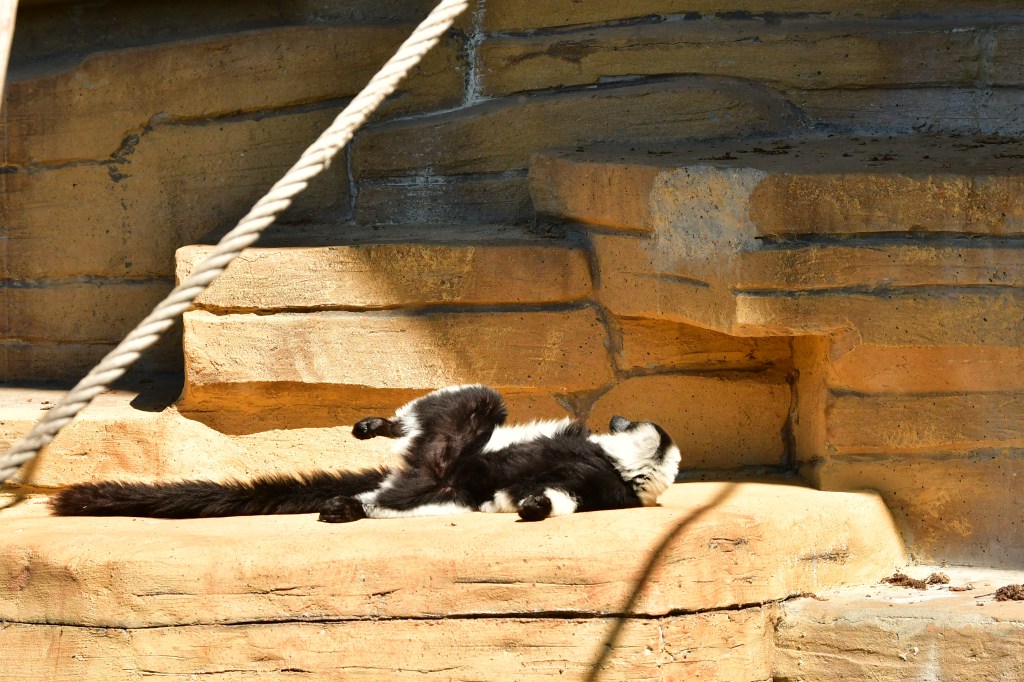
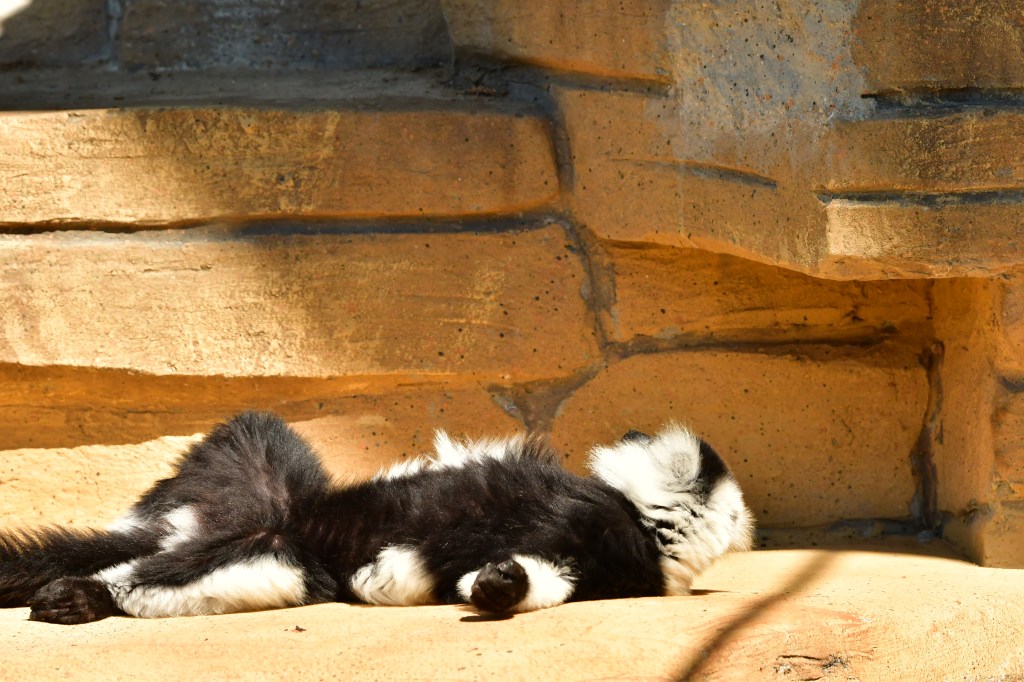
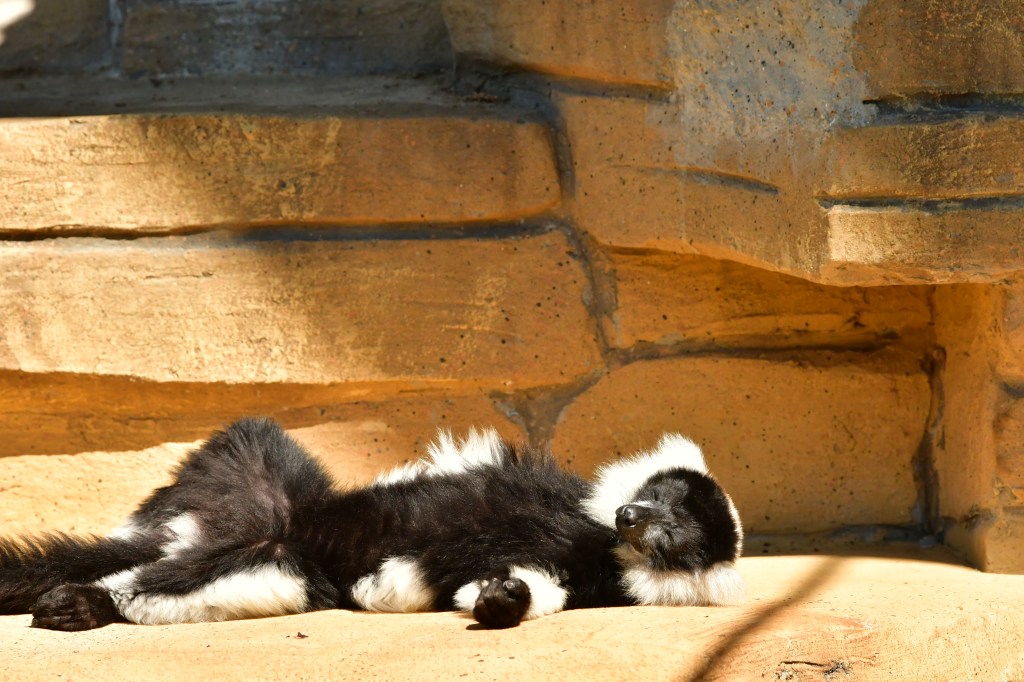
- Harbor seal – posed nicely.
Harbor Seals are found along temperate and Arctic marine coastlines of the Northern Hemisphere. They have a diverse diet, feeding on fish, squid, and crustaceans. Harbor Seals are known for their spotted coats, which vary in color from white or gray to brown or black. They are excellent swimmers and can dive to depths of over 500 feet.


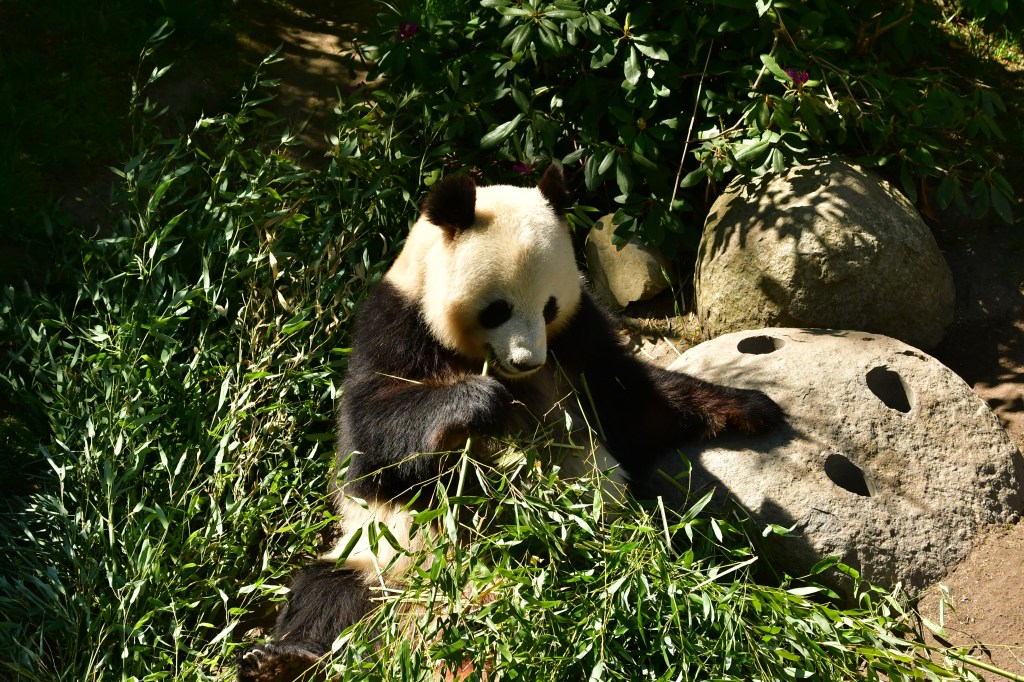
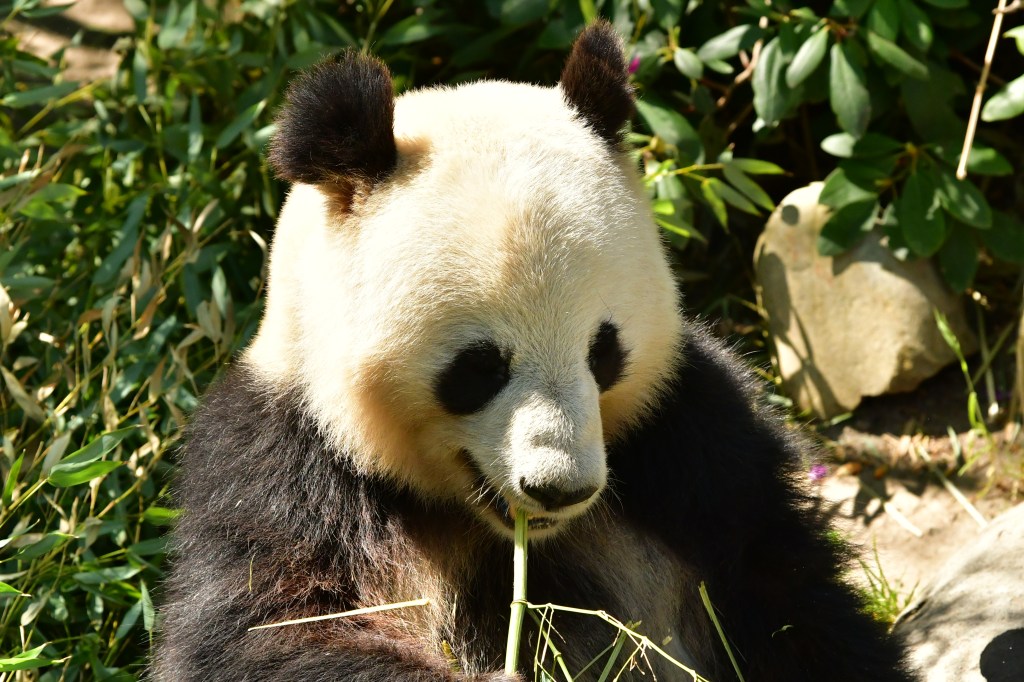
- Giant Panda – caught mid-bamboo snack.
The giant panda (Ailuropoda melanoleuca), also known as the panda bear or simply panda, is a bear species endemic to China. It is characterised by its white coat with black patches around the eyes, ears, legs and shoulders. Its body is rotund; adult individuals weigh 100 to 115 kg (220 to 254 lb) and are typically 1.2 to 1.9 m (3 ft 11 in to 6 ft 3 in) long. It is sexually dimorphic, with males being typically 10 to 20% larger than females. A thumb is visible on its forepaw, which helps in holding bamboo in place for feeding. It has large molar teeth and expanded temporal fossa to meet its dietary requirements. It can digest starch and is mostly herbivorous with a diet consisting almost entirely of bamboo and bamboo shoots.
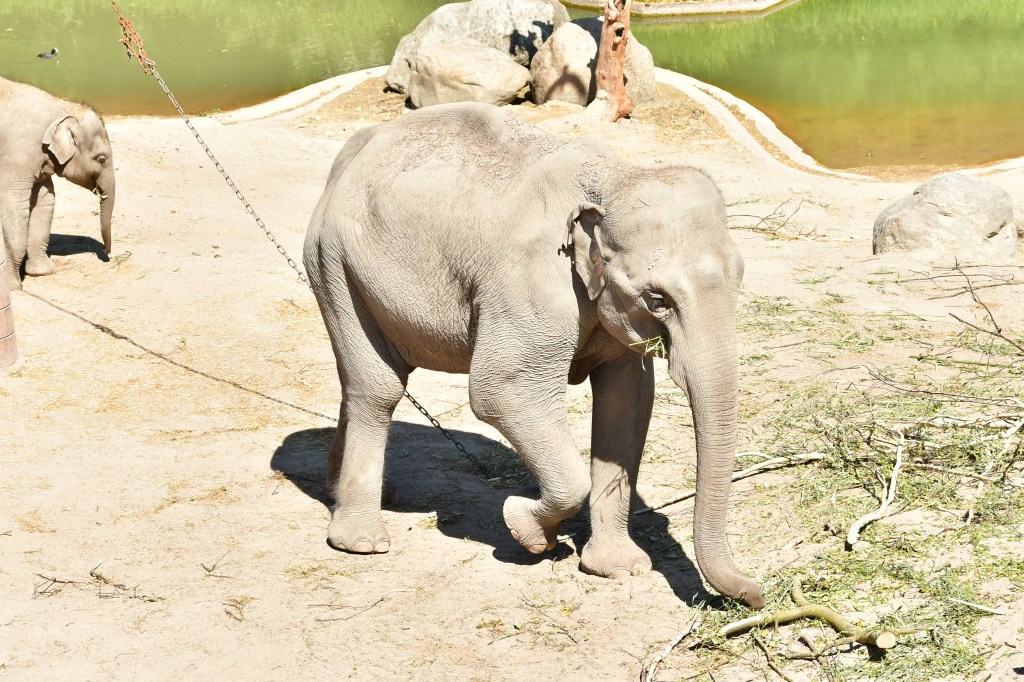
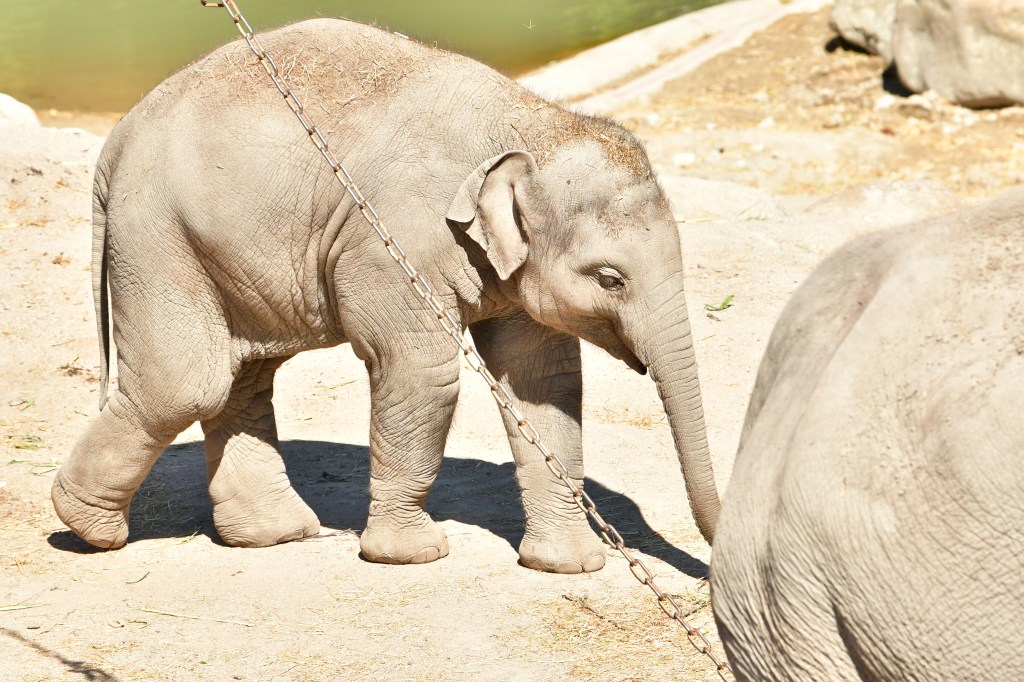
- Elephants – majestic as always.
The Asian Elephant is the largest land mammal in Asia, distinguished from its African counterpart by smaller ears and a more domed head. They are highly intelligent and social animals, living in matriarchal herds. Asian Elephants are herbivores, consuming up to 300 pounds of vegetation daily. Their populations are threatened by habitat loss and human-elephant conflict.

Then I hit a more natural-looking path with minimal fencing, leading to:
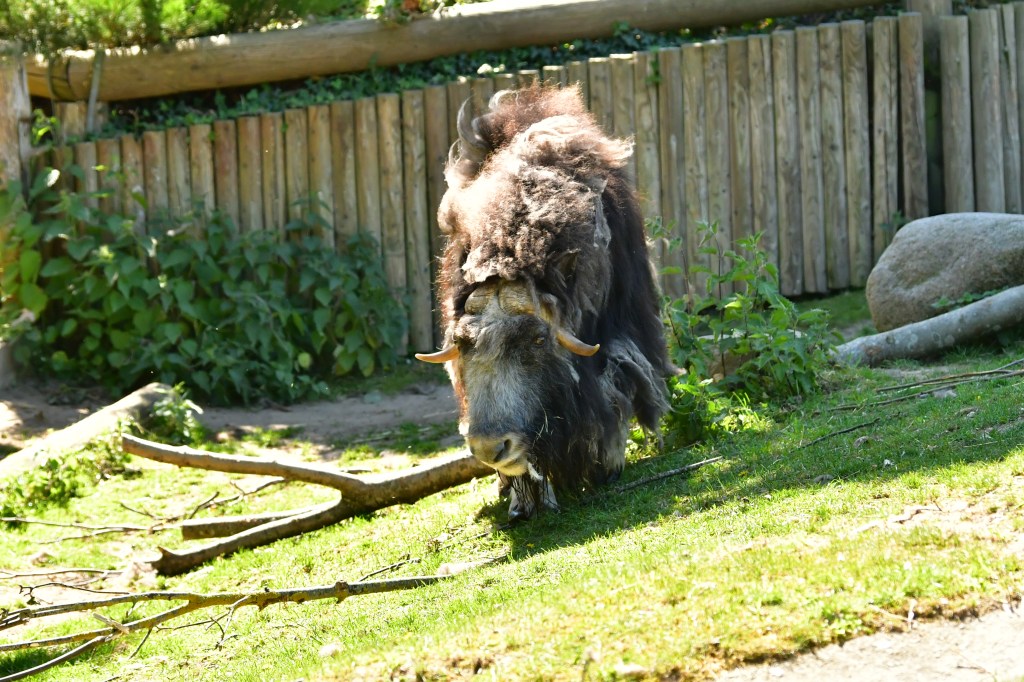
- Musk oxen – poor beasts were sweating in 22°C heat with those heavy coats.
Musk Oxen are Arctic mammals known for their thick coat and strong odor emitted by males during the mating season. They have a unique adaptation in their blood that allows them to survive in extremely cold temperatures. Musk Oxen feed on grasses, Arctic flowers, and mosses, and are known to form defensive circles against predators.


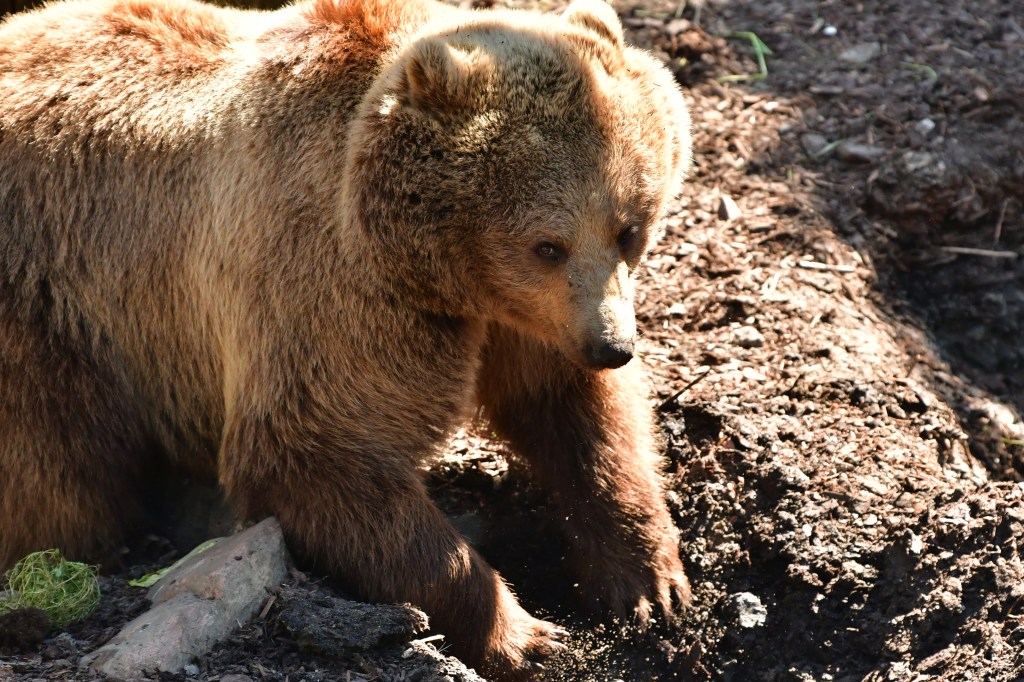
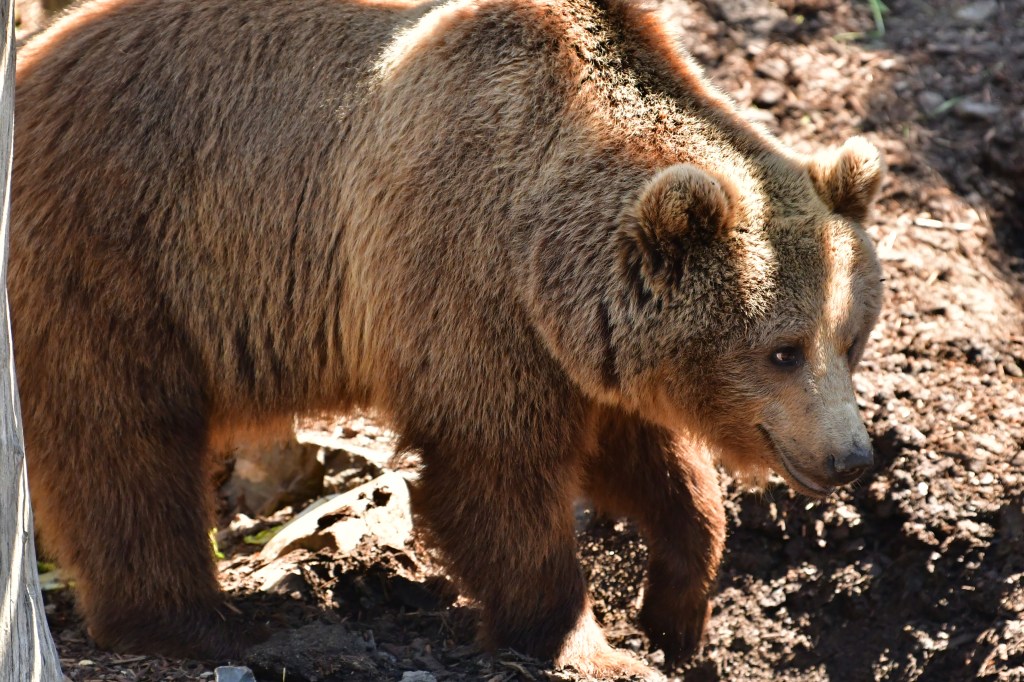
- Brown bears – one digging, another dozing in the shade.
Brown Bears are one of the most widespread bear species, found across North America, Europe, and Asia. They are omnivorous, with diets ranging from berries and roots to fish and small mammals. Brown Bears have a keen sense of smell and are known for their strength and solitary nature, except during mating season or when mothers are raising cubs.

🐧 The Penguin Moment That Got Away
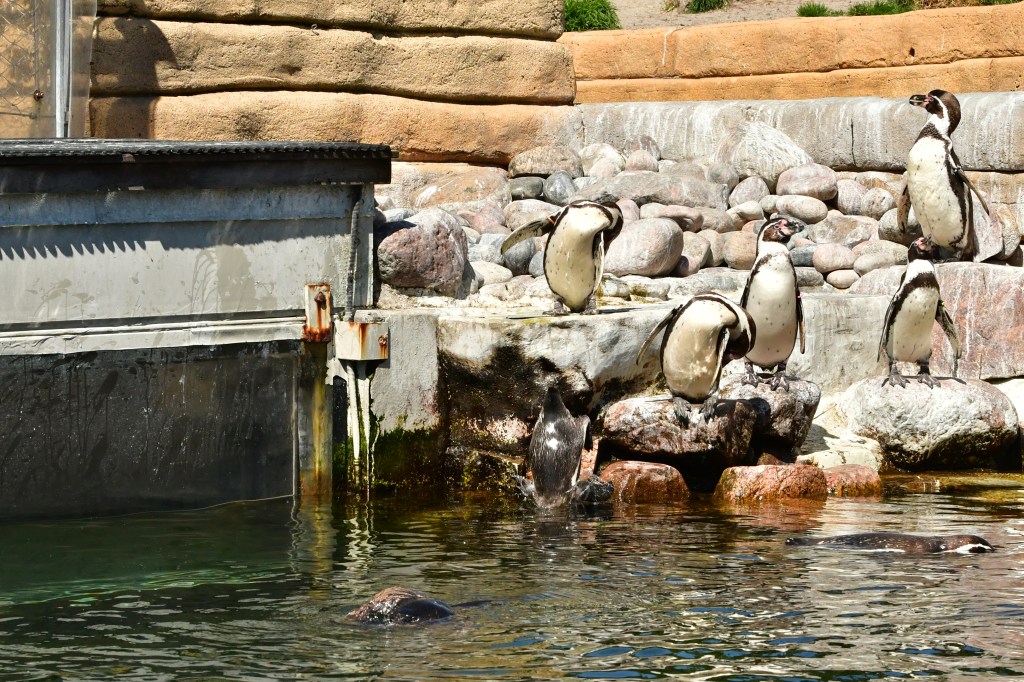
At the penguin enclosure, I was lining up the perfect wide shot when a zookeeper marched by with a ladder. You guessed it—scared the penguins right into the water. Déjà vu… same thing happened years ago.
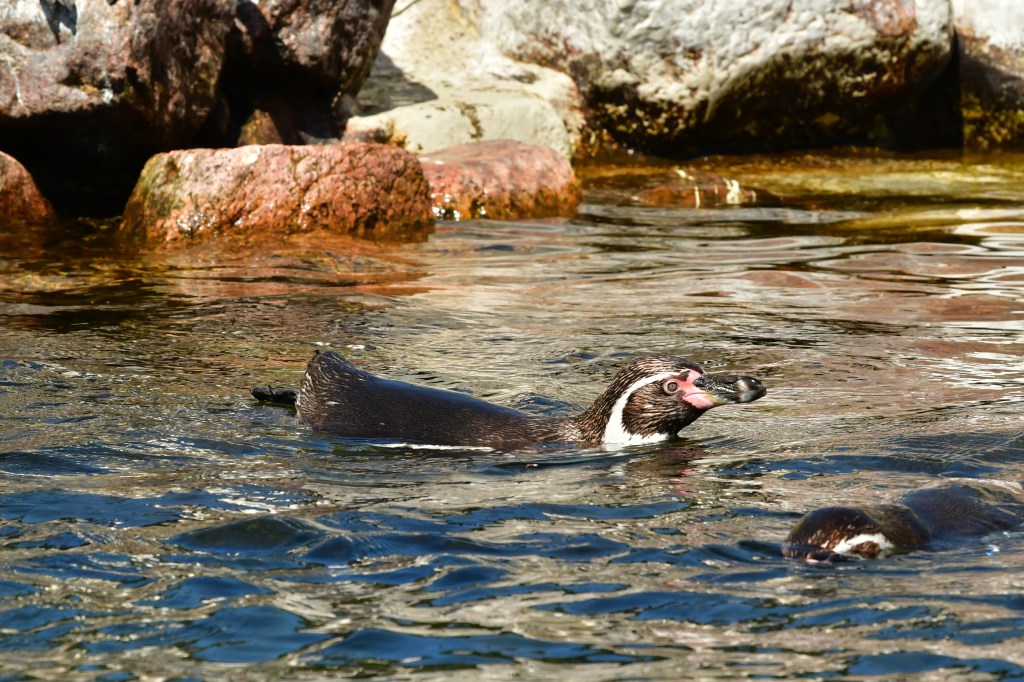
Still, I got good action shots:
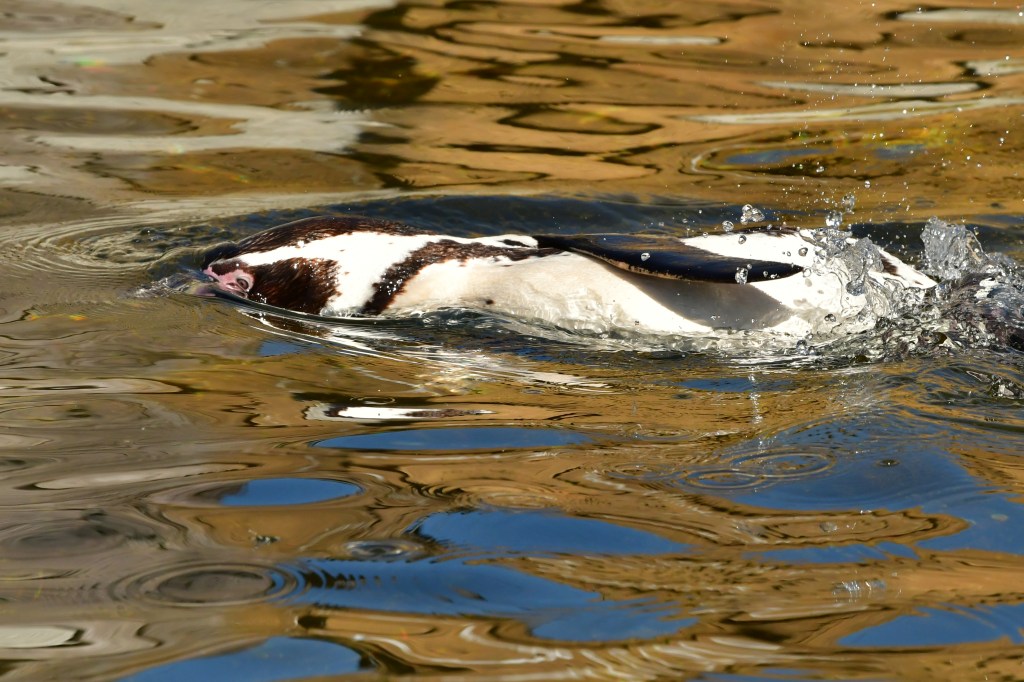
- A penguin shoving another into the water (didn’t catch the push, but got the aftermath).
- Others grooming underwater, rubbing beaks into feathers to waterproof their coats.
Penguins are flightless seabirds adapted to life in the water. They are excellent swimmers, using their flippers to propel themselves through the water. Penguins preen their feathers regularly to maintain waterproofing and insulation, using oil from a gland near the base of their tail.

🐒 Quick Stop at the Apes
Most were inside, and the crowd was too much. I skipped detailed shots and moved on.
🐦 Birding Heaven — Tropical House
Here’s where it gets interesting:
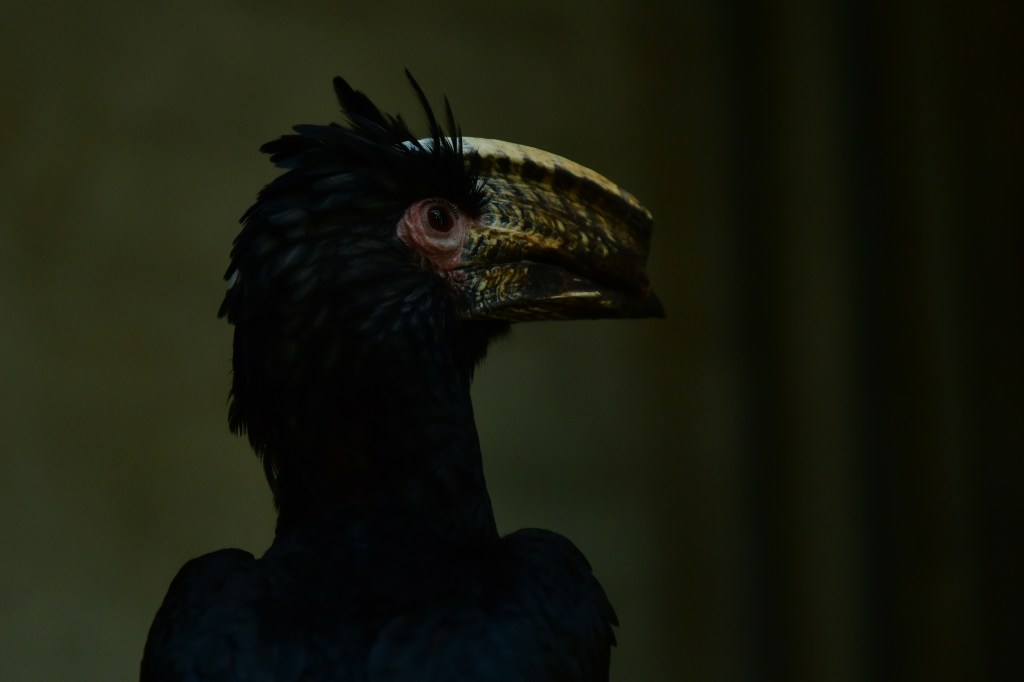
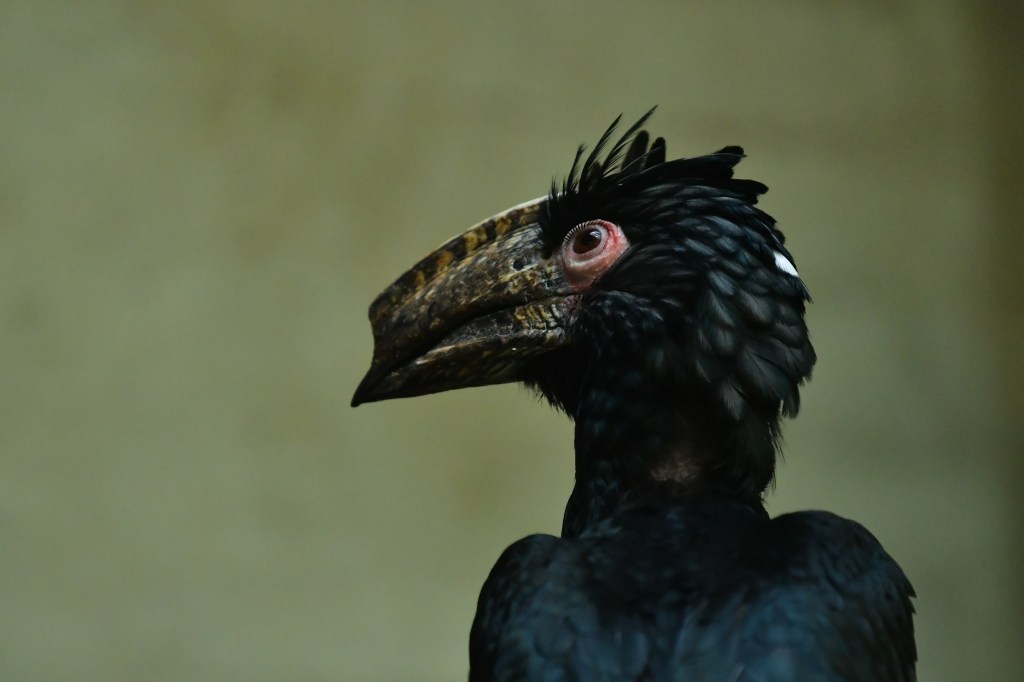
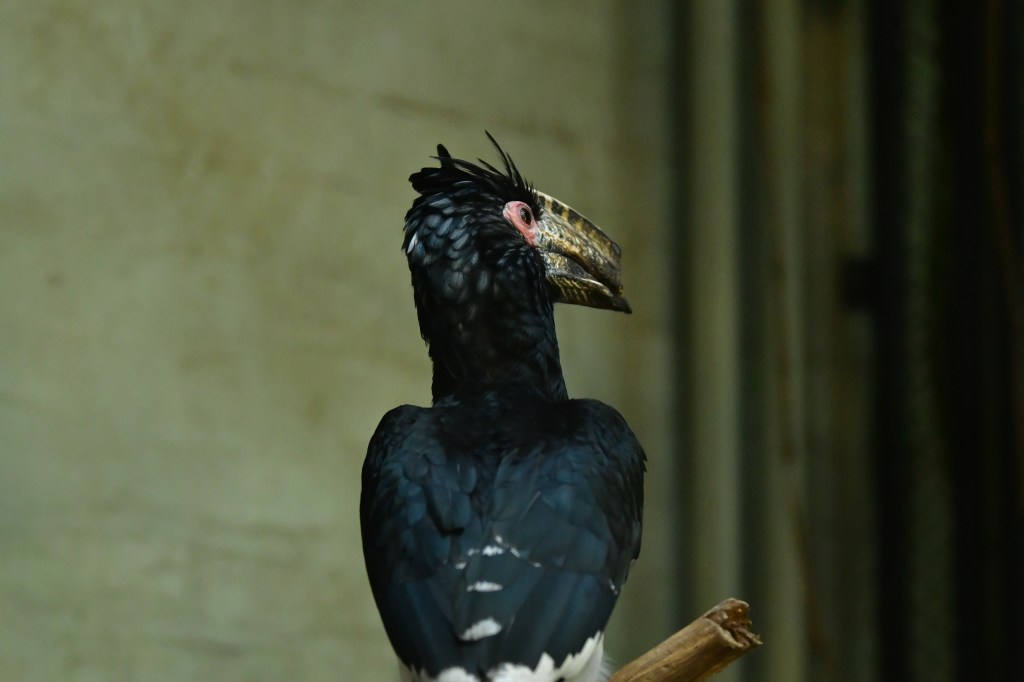
- Trumpeter hornbill – excellent light and angles.
The Trumpeter Hornbill is a medium-sized bird native to the forests of southern Africa. They are named for their loud, trumpeting calls. These birds have a large casque on top of their bill, which is more prominent in males. Trumpeter Hornbills are frugivorous, playing a vital role in seed dispersal.
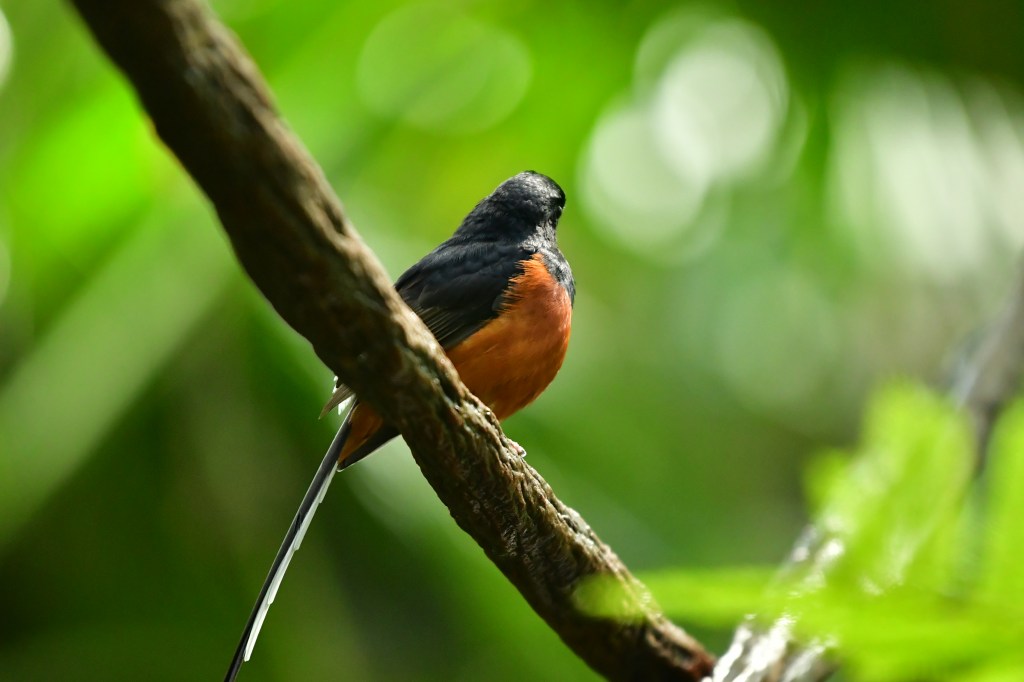
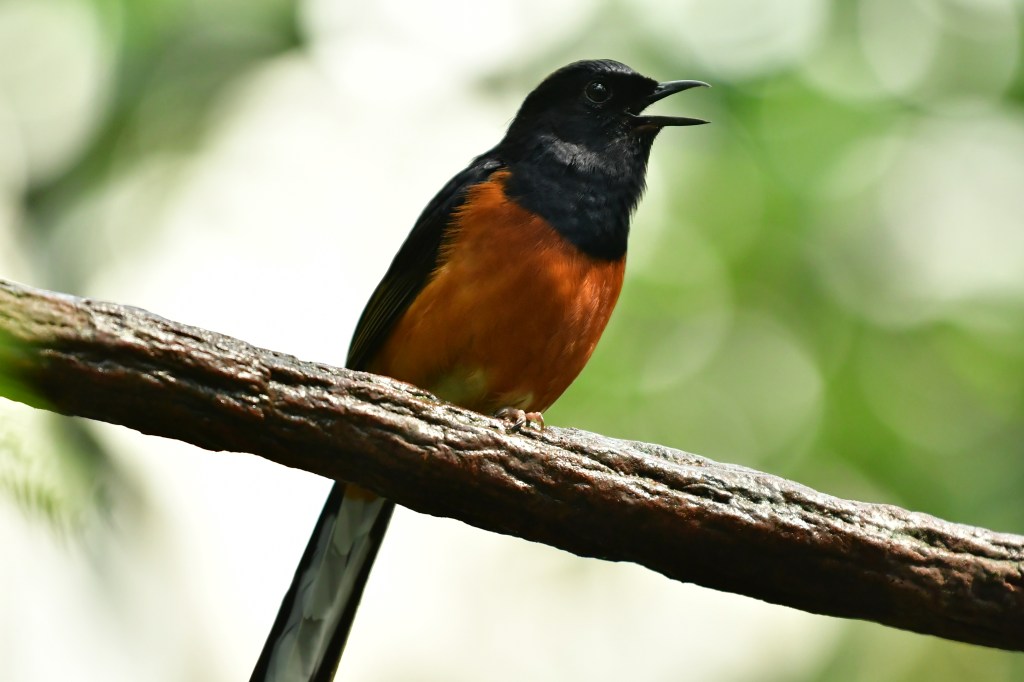
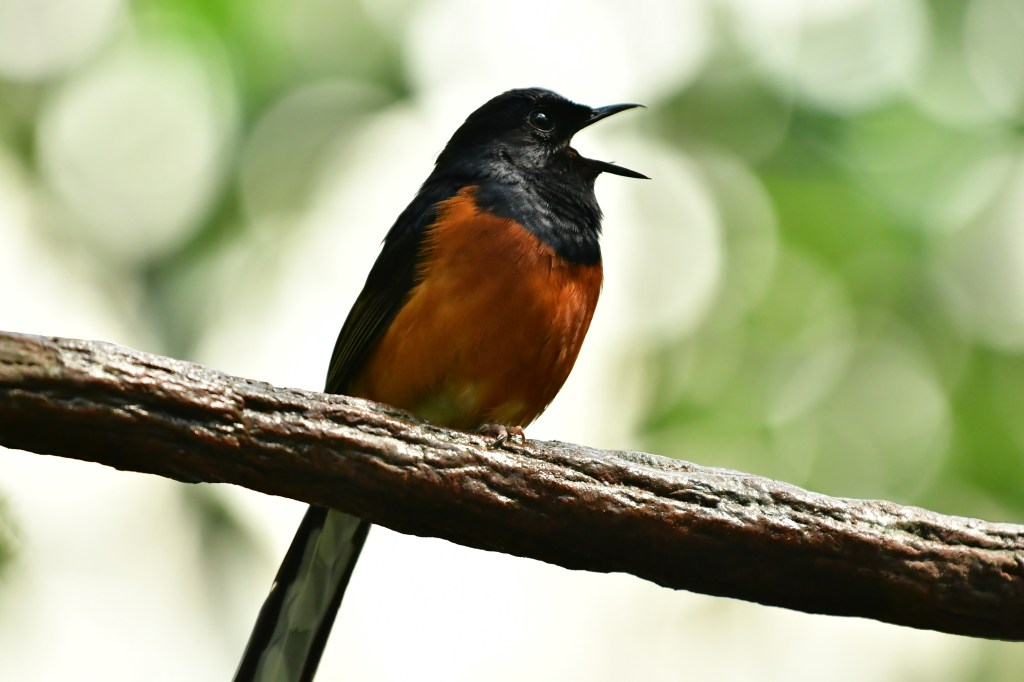
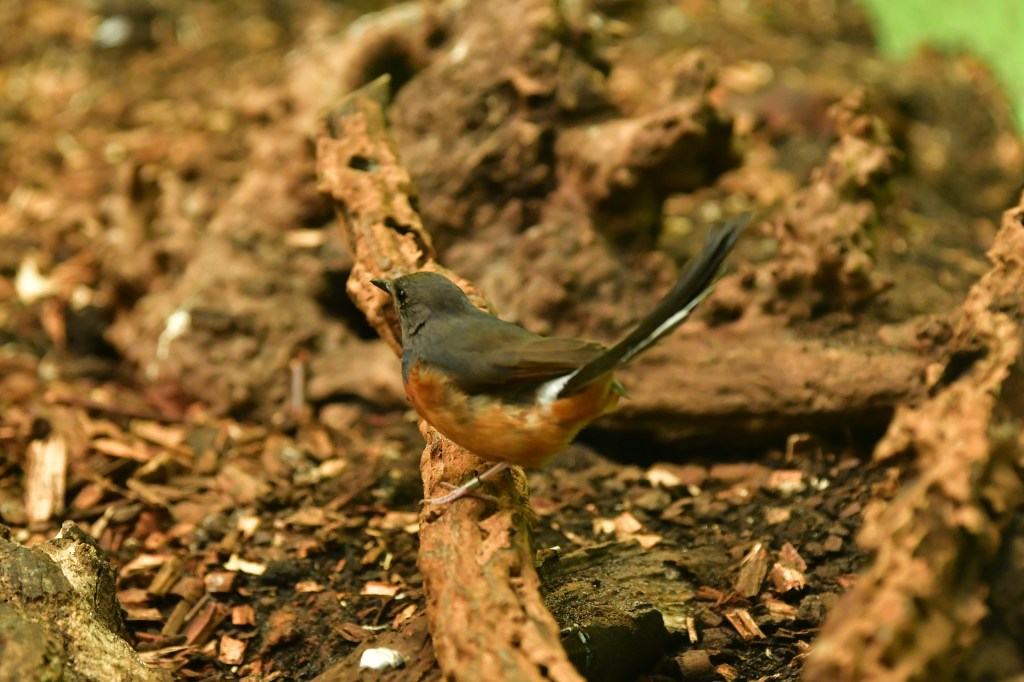
- White-rumped shama – twice, once solo and once as a pair.
The White-rumped Shama is a songbird native to South and Southeast Asia. They are known for their melodious and varied songs. Males are particularly vocal during the breeding season to attract females and establish territory. These birds prefer dense undergrowth in forests and are often kept as cage birds due to their singing ability.
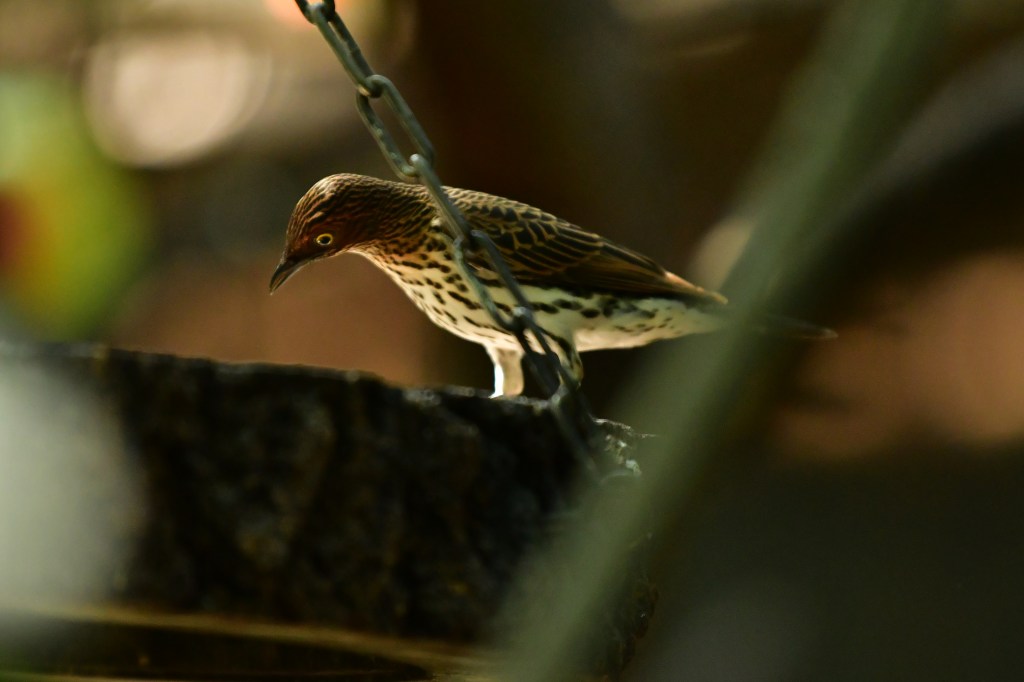
- Song thrush – caught it mid-worm!
The Song Thrush is a common bird across Europe and parts of Asia. They are known for their repeating musical phrases. Song Thrushes feed on a variety of invertebrates and fruits, often using stones as anvils to break open snail shells.
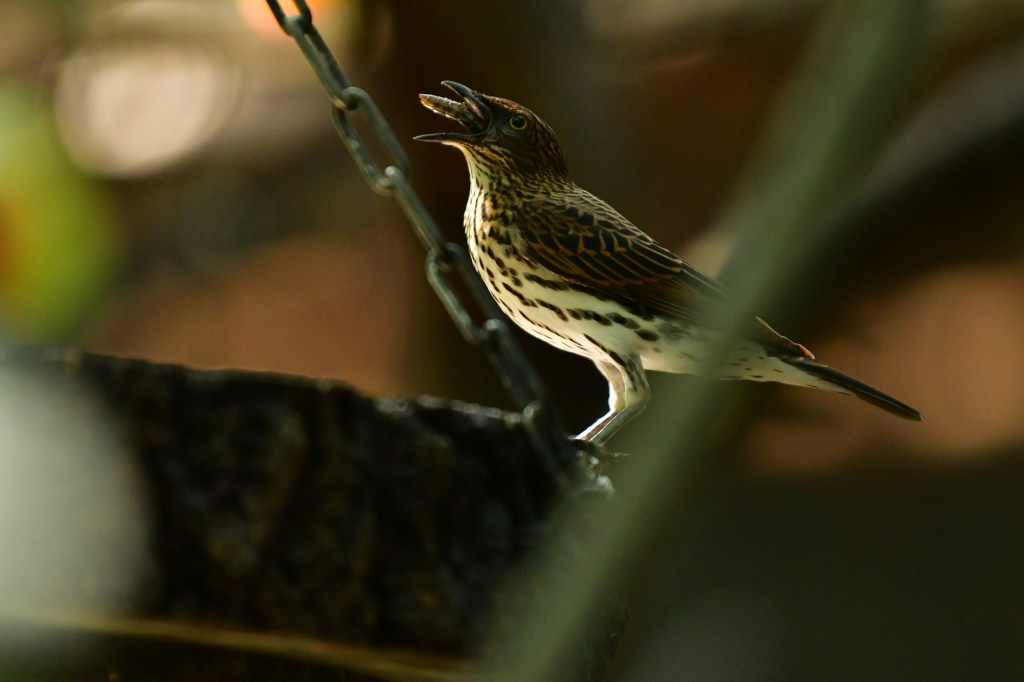

- Melinaea ethra butterfly (Melinaea) – spotted in the butterfly section.
No info

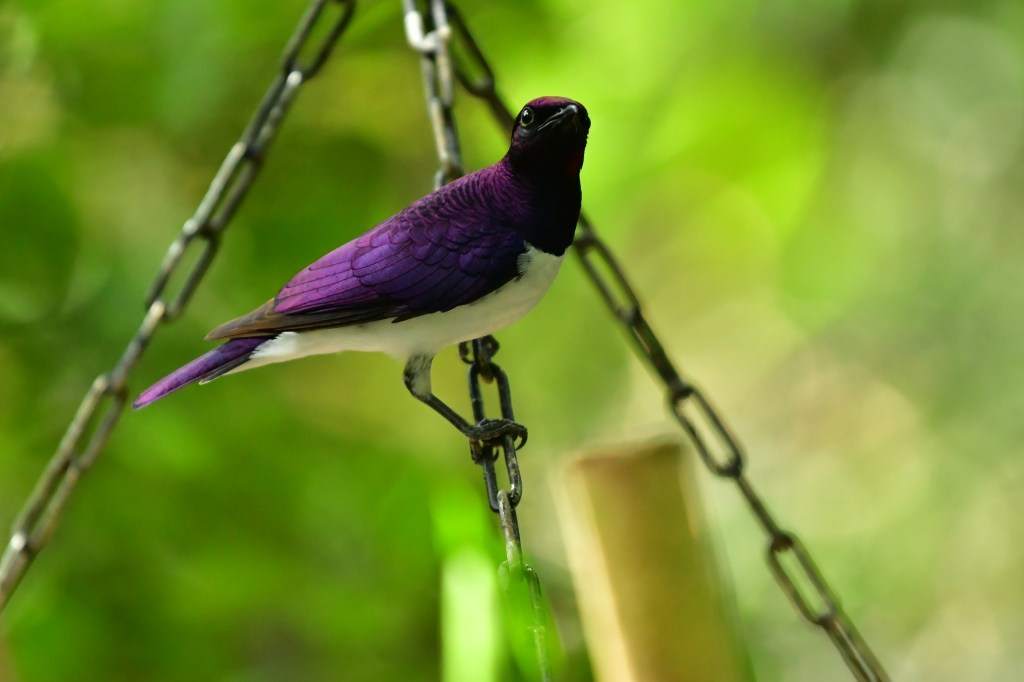
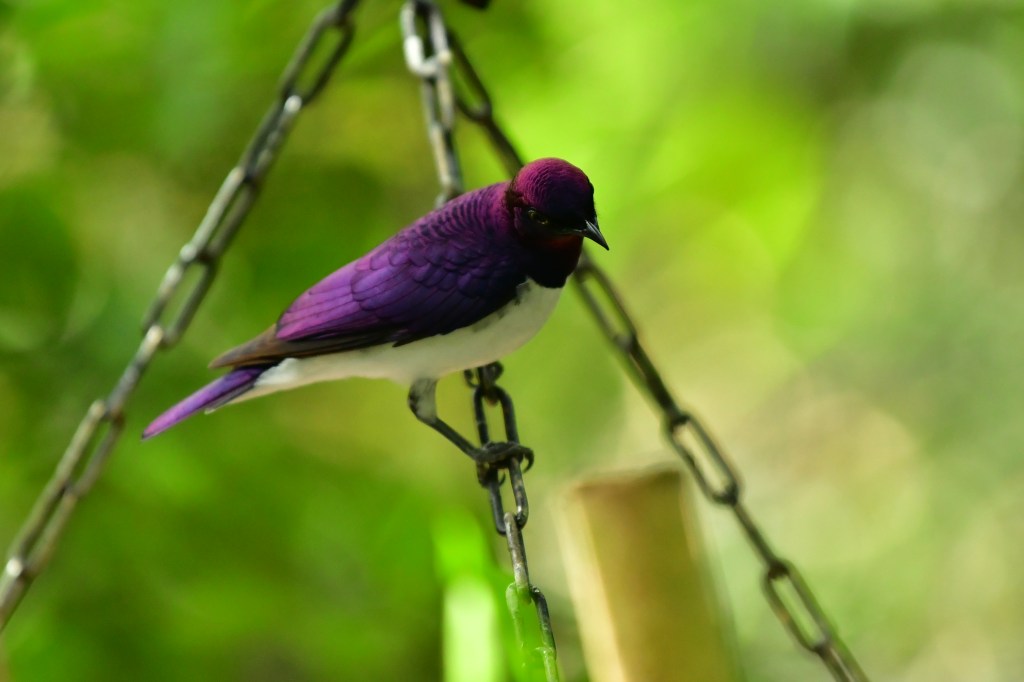
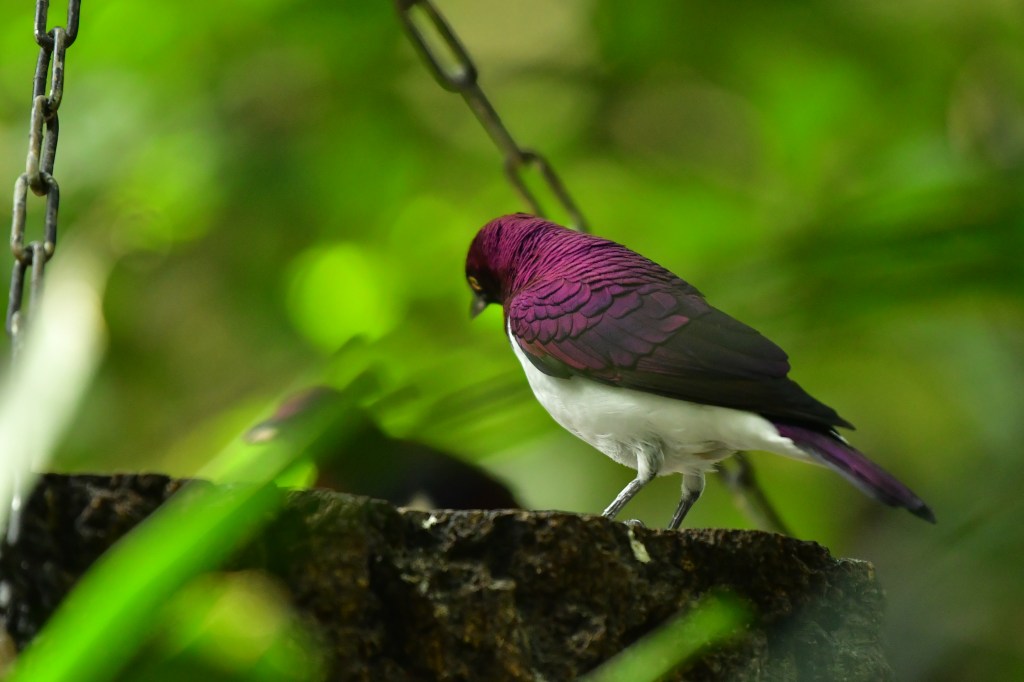
- Amethyst starling – gorgeous iridescence.
- Victoria crowned pigeon – regal as always.
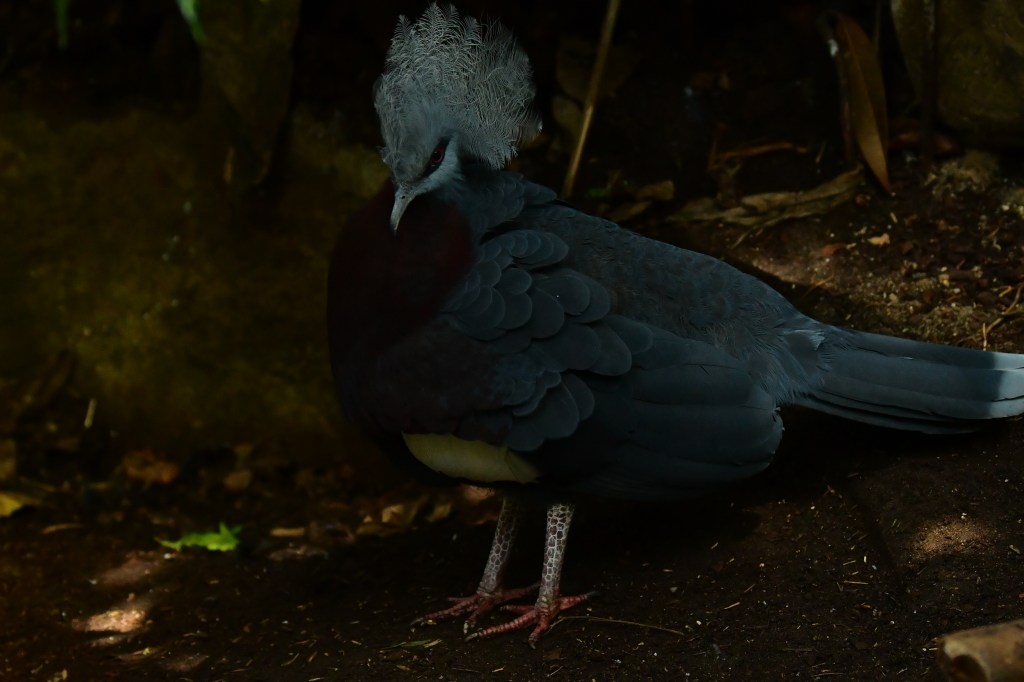
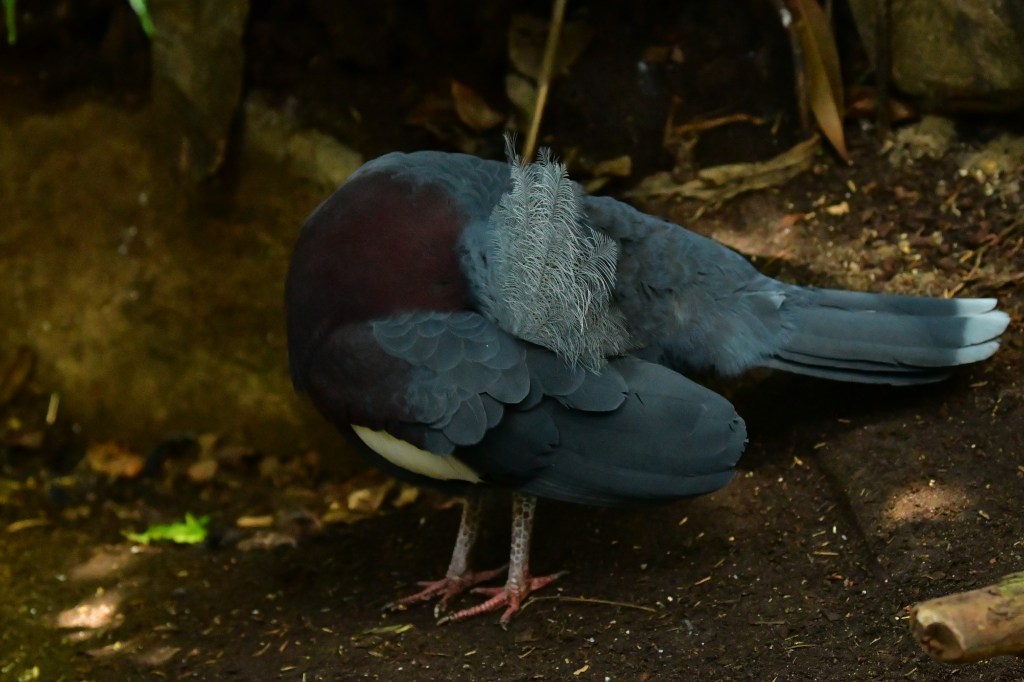
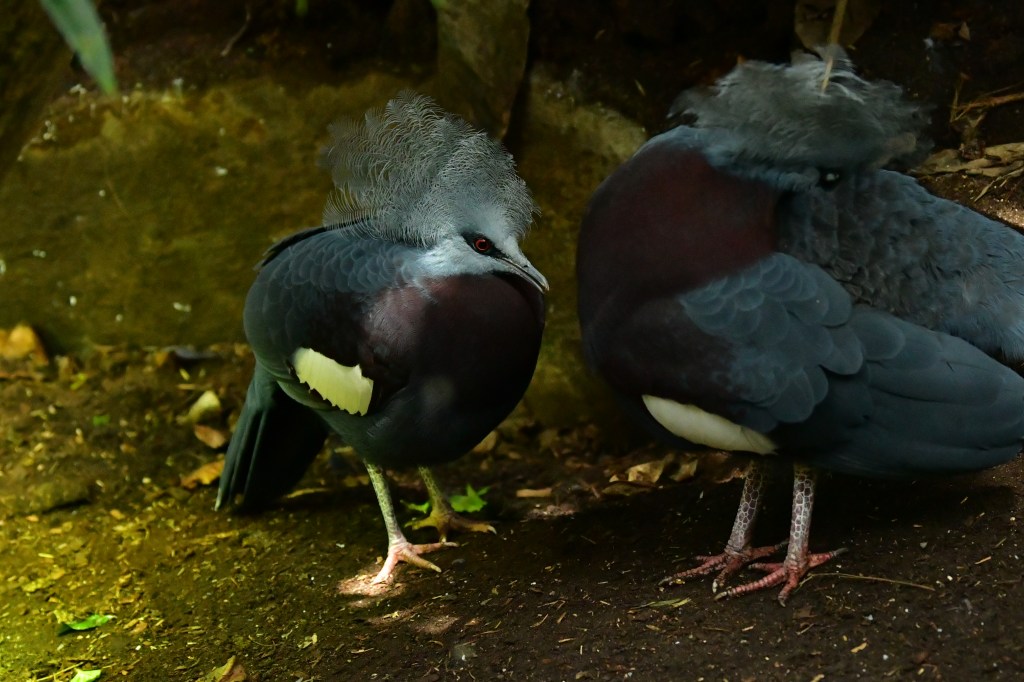
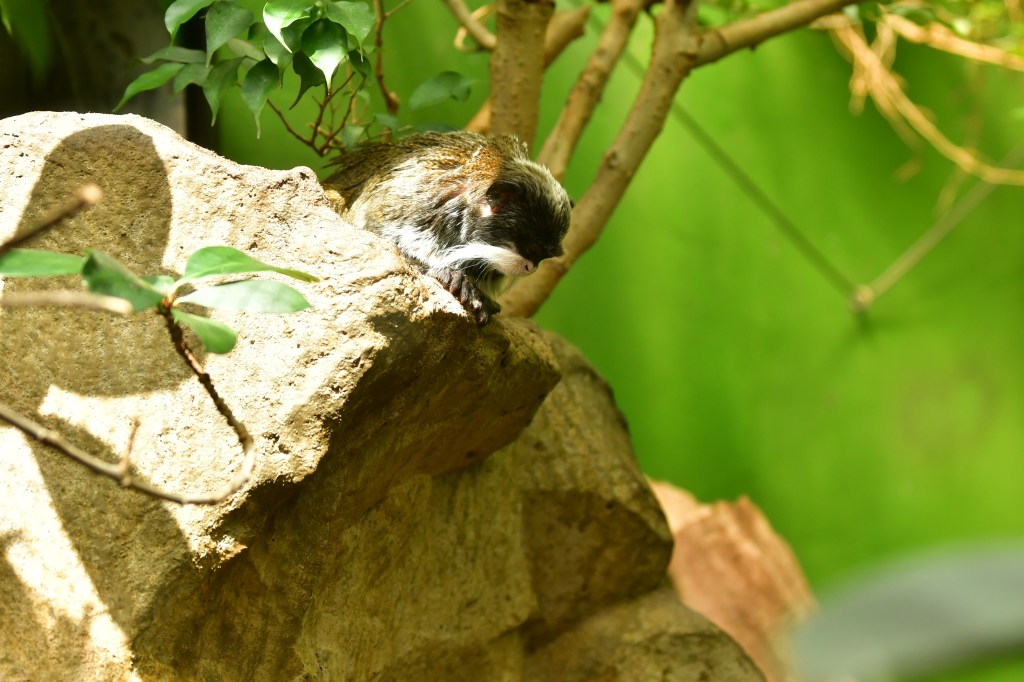
- Emperor tamarin – expressive little face.


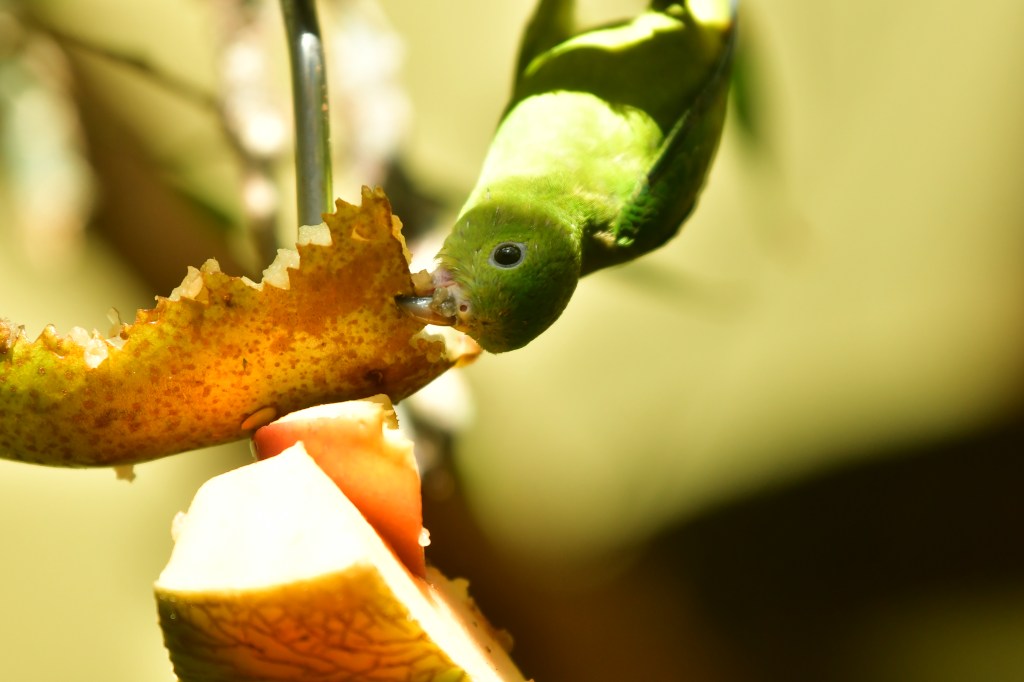
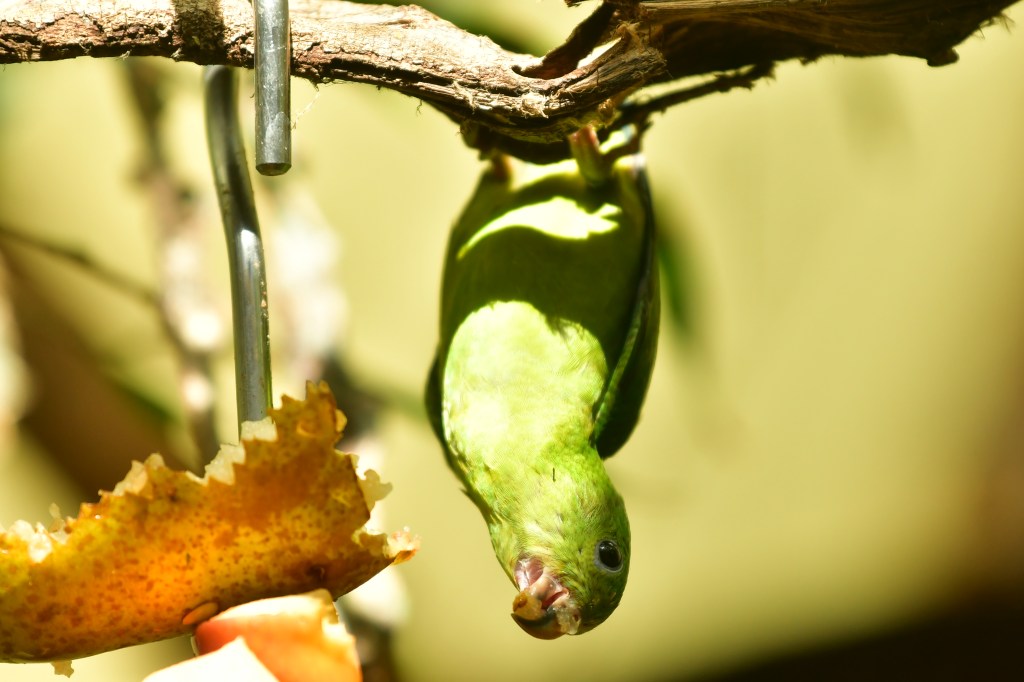
- Green-rumped parrotlet (probable ID).

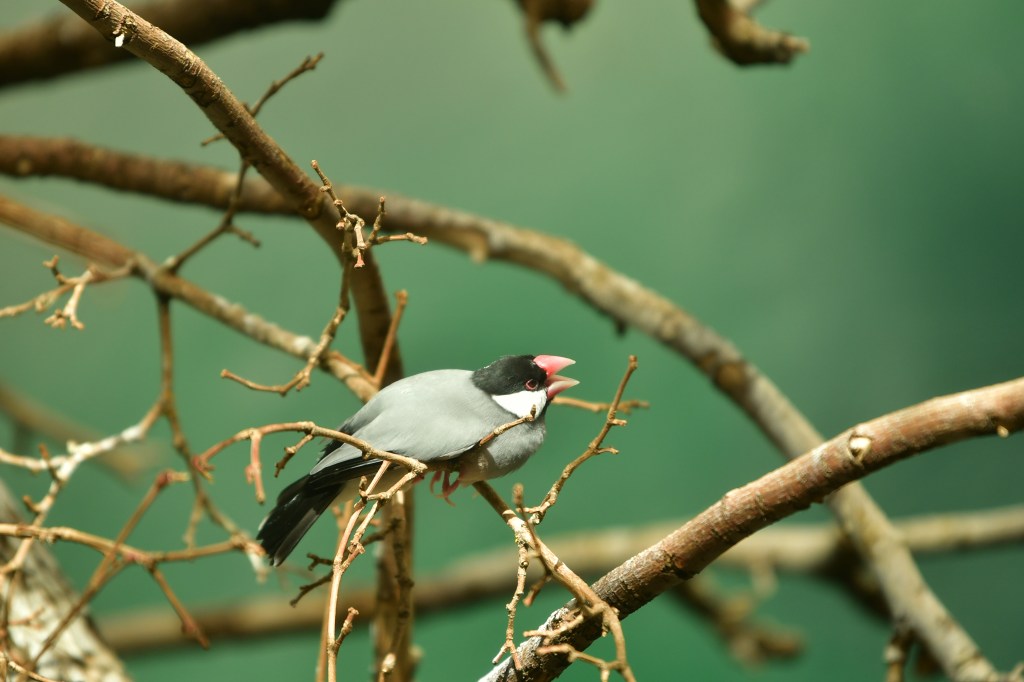
- Java sparrow (ricebird).

- Hoopoe (Upupa epops) – easily one of the most photogenic.

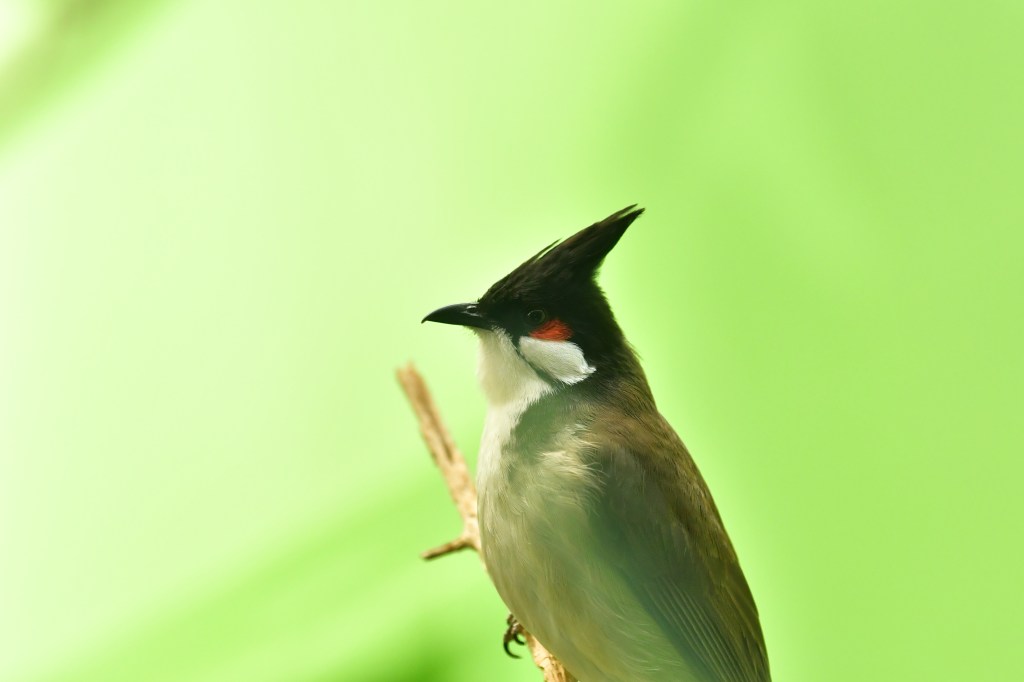
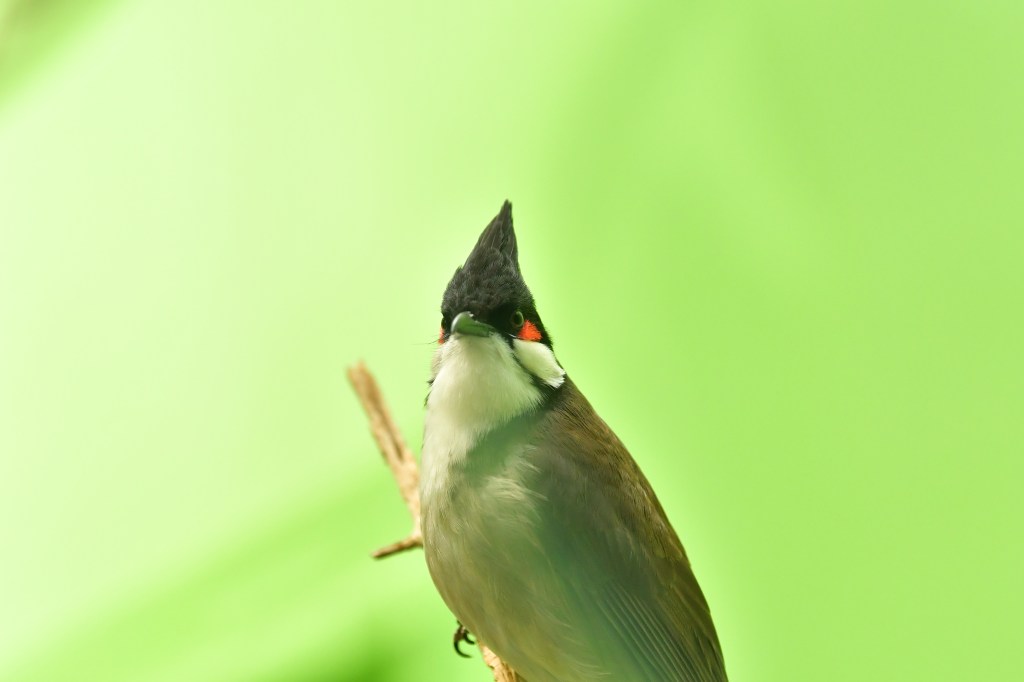
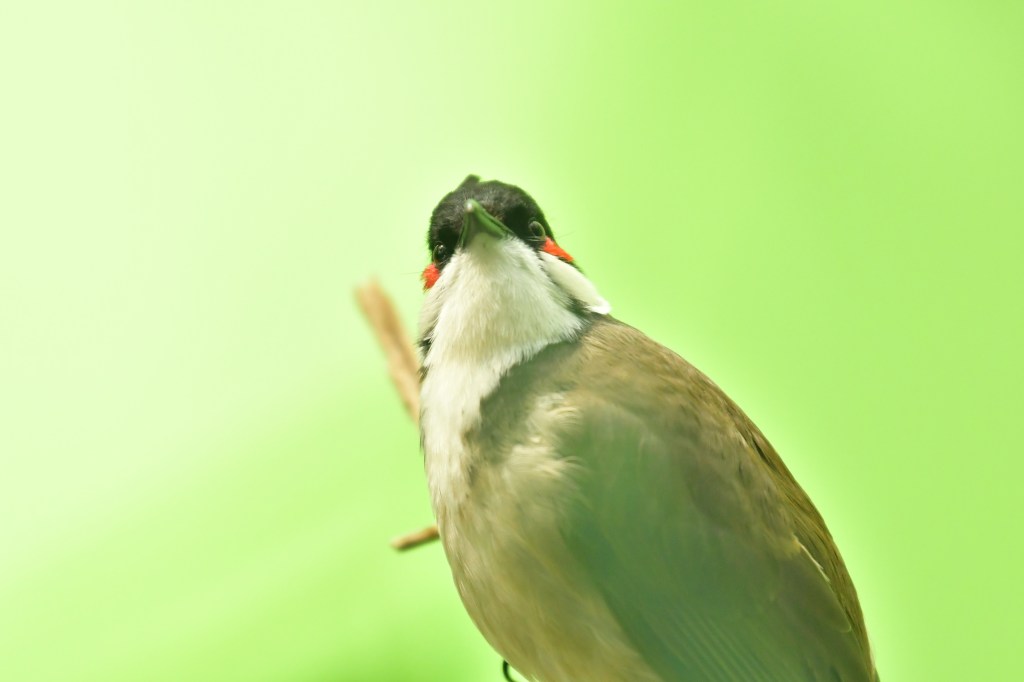
- Red-whiskered bulbul – nice and sharp.
- White-rumped shama female – less flashy but still stunning.

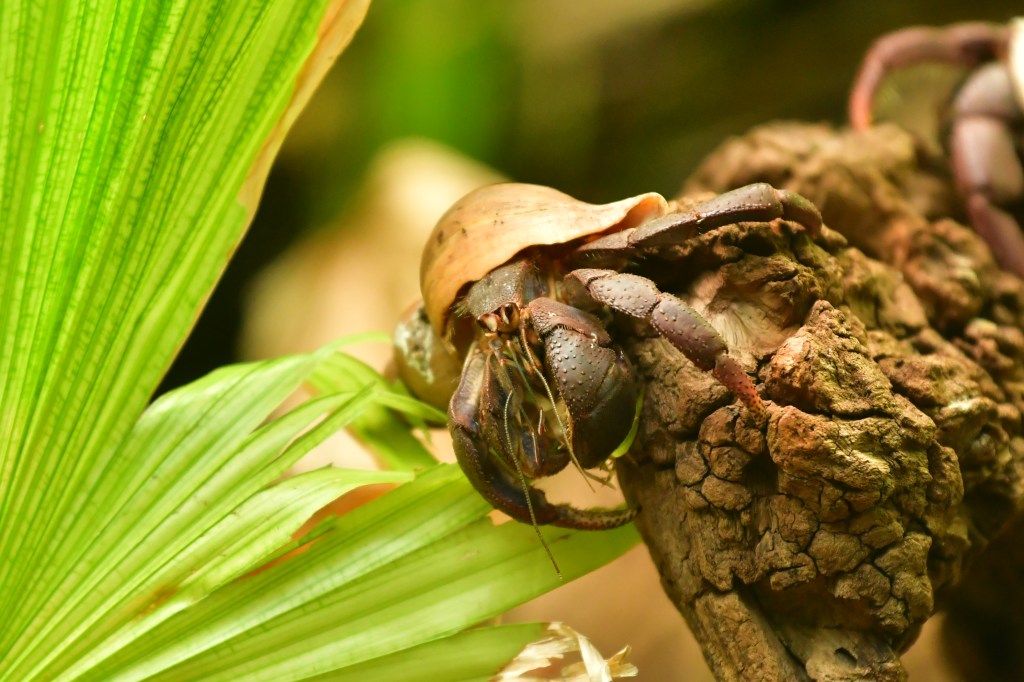
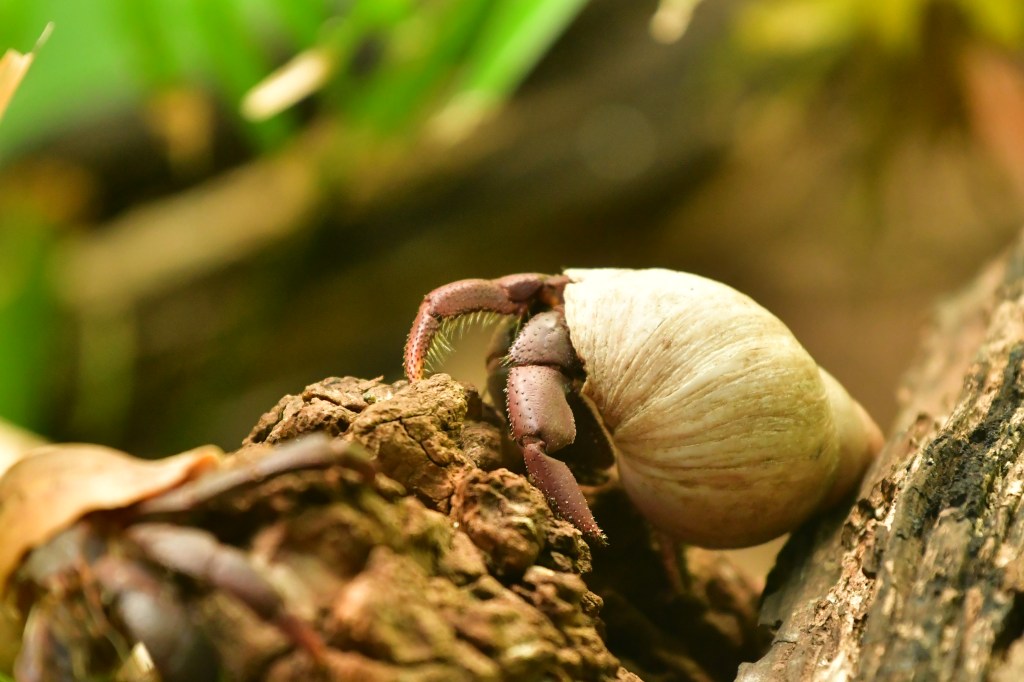
- Hermit crab (Coenobita clypeatus) – always a bonus to find non-bird wildlife.
🐊 Croc Confusion Turned Fascination
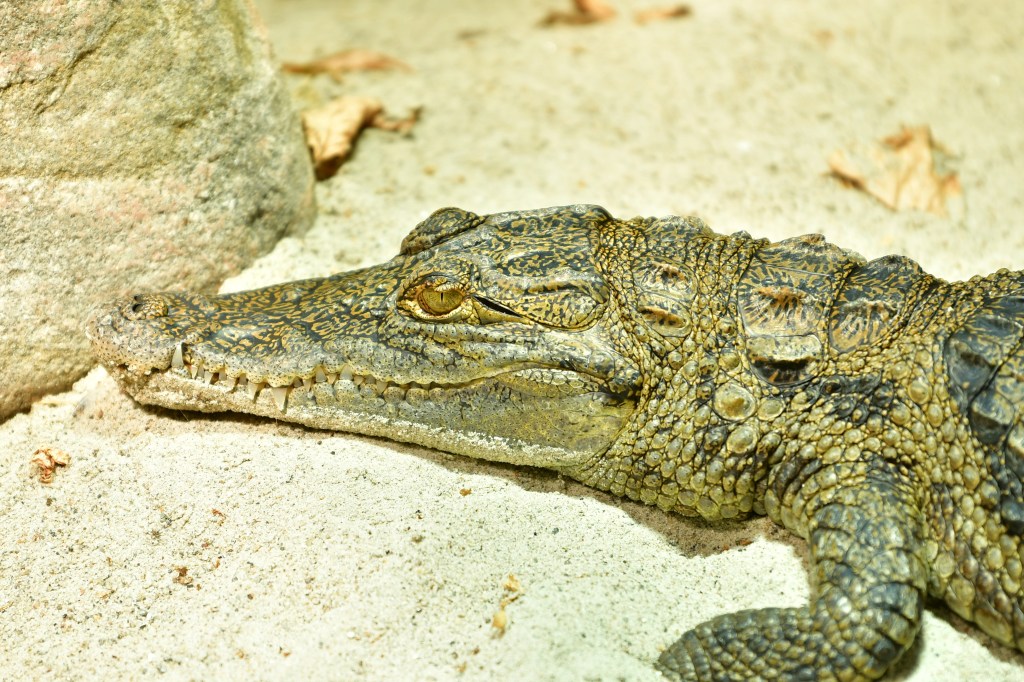
Near the butterfly section, I found the crocodile enclosure. For years, this species was assumed to be Nile crocodiles (Crocodylus niloticus). But in 2013, they were identified as the West African crocodile (Crocodylus suchus) — a rare and misclassified species.

🦘 Wrapping It Up With Kangaroos & Lovebirds
I ended the visit with:
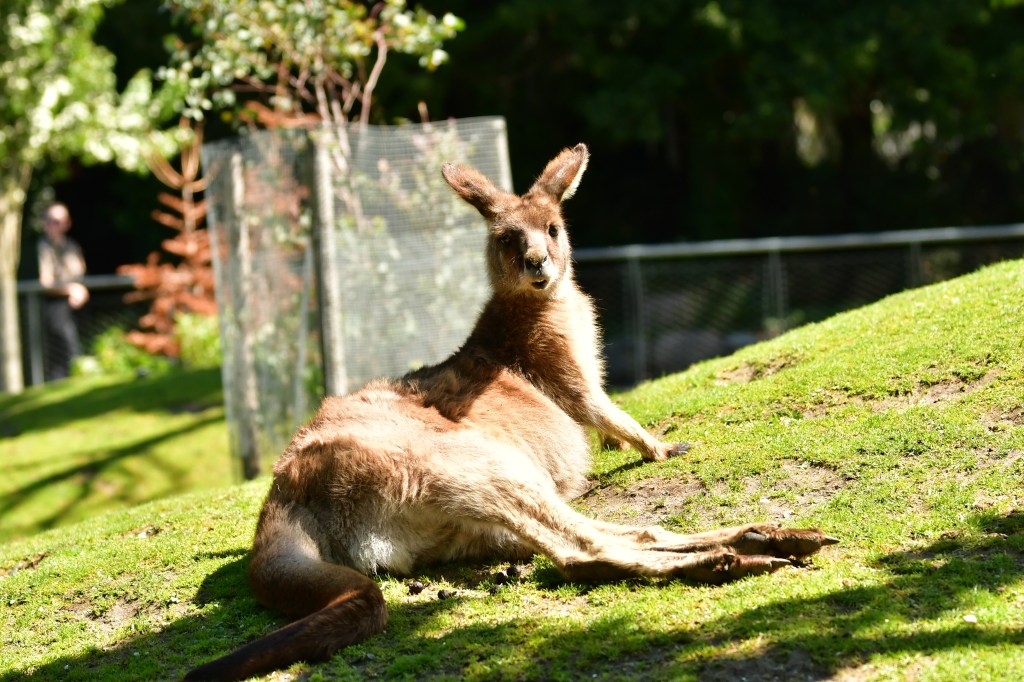
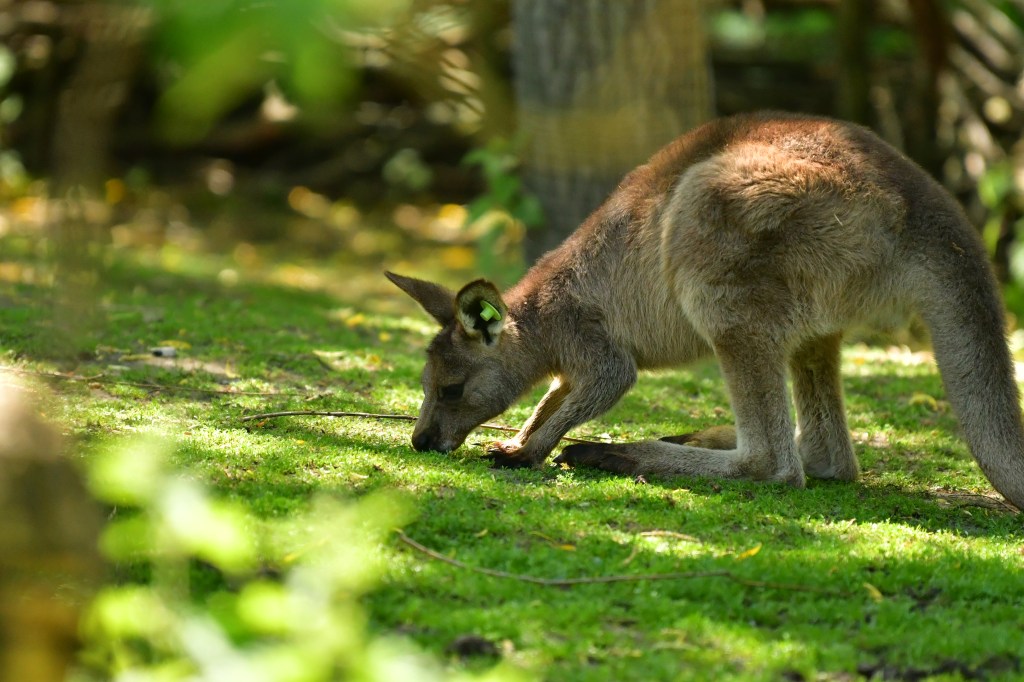
- Kangaroos – lying in the sun, hopping, eating. I shot everything from wide angles to close-up portraits.

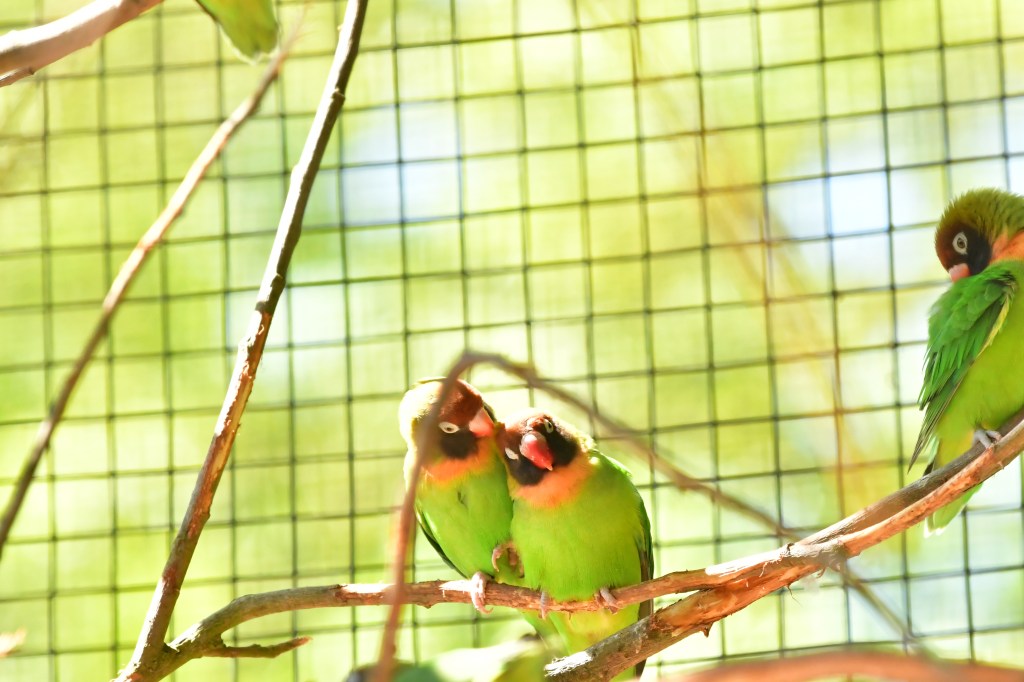
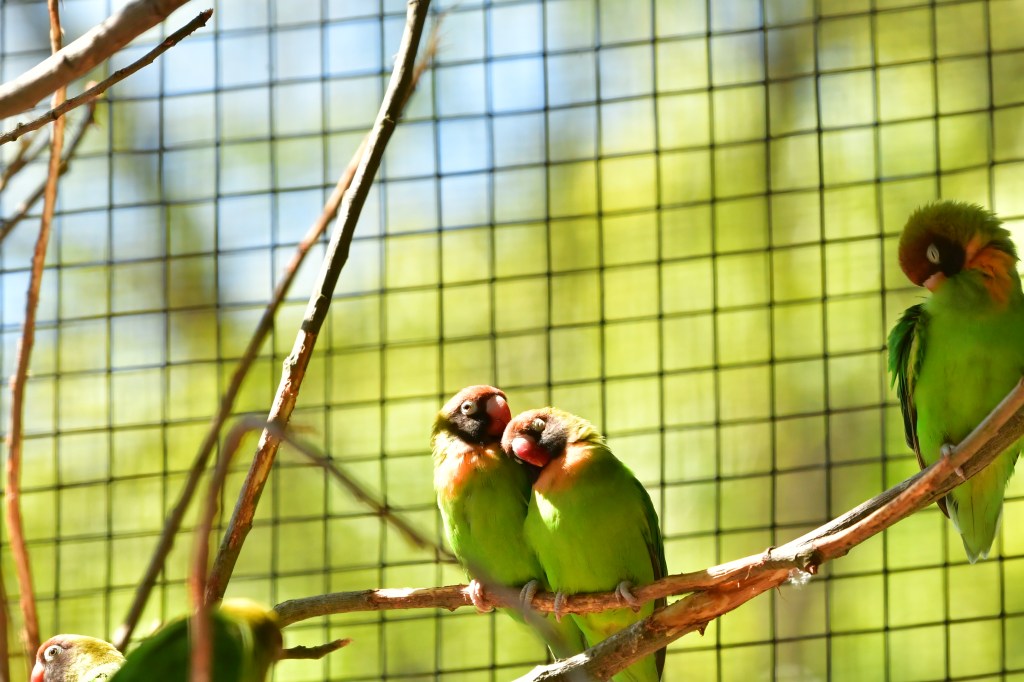
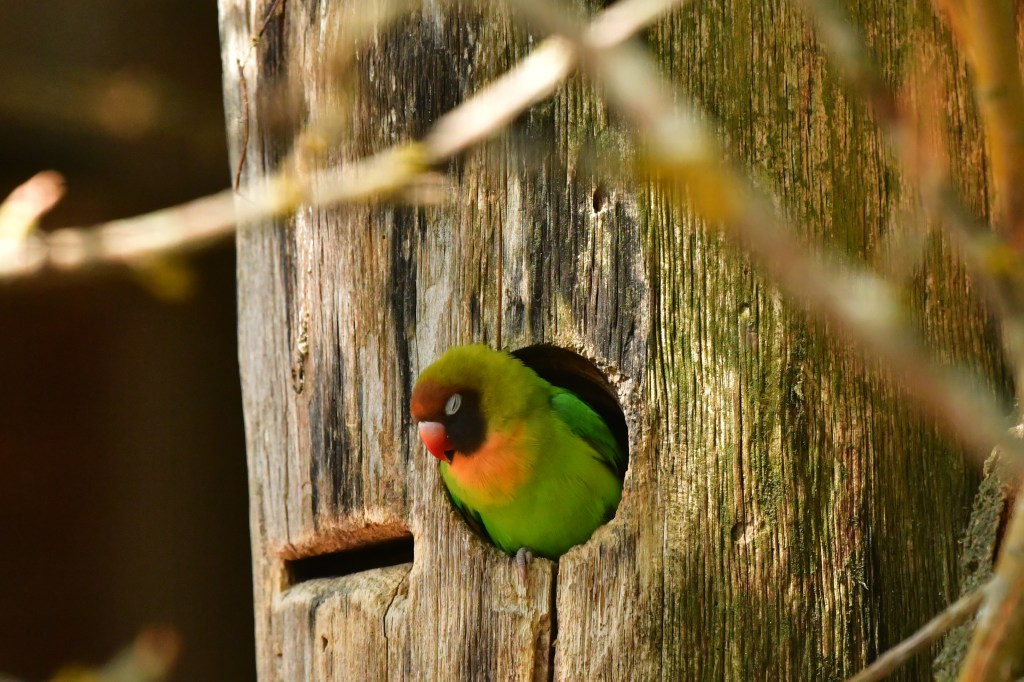
- Lovebirds (Agapornis) – dozens of shots, especially cute moments of grooming and bonding. Easily the most heartwarming part of the day.
At this point, it was around 2 PM, and my video camera was down to 10% battery. I’d been out since 6 AM, and my legs were done.
🏠 Journey Home
I walked to Valby Station, waited 10 minutes for the train to Roskilde, then caught a bus to Skibby after a 5-minute layover.
Before heading home, I stopped in the town center, grabbed a pizza and a 1½ L cola, then finally made it back. The rest of the evening was spent chilling with anime and looking back at the day’s haul of images.



📷 Final Thoughts
Today wasn’t just a trip to the zoo—it was a fully-loaded, sweat-dripping, shutter-snapping, story-filled adventure. From long-lens battles and photo-bombing keepers to rare birds and a sunbathing kangaroo, it was one of those days I’ll remember every time I flip through the album.
🐺 About the Author
Kiba Snowpaw – Ice Alpha Wolf of HowlStrom. Photographer, storyteller, and furry traveler. Capturing the wild, the real, and the untamed with a DSLR in one hand and a furred heart in the other.



 Kiba Snowpaw
Leave a comment