


By Kiba Snowpaw – Wildlife Photographer & Trained Zookeeper
Table of Contents
- My Origin Story – Orøstrand Before the Petting Zoo
- The Animal Kid: Childhood Immersion Among Hooves and Feathers
- The Evolution of Orøstrand: From Farmyard to Petting Zoo
- Becoming a Zookeeper – Why I Chose, Why I Left, and Why I Still Carry It With Me
- My Gear Journey – From PowerShot to Pro Nikon
- The Zookeeper’s Edge: Skills Most Photographers Never Get
- Being a Sensitive Observer – Seeing What Others Miss
- Life as a Wildlife Photographer: What Drives Me
- Photo Gallery & Favorite Moments (You can add images here)
- What Petting Zoos Really Teach Us
- The Trap Card: Zookeeper Training as a Secret Weapon
- Why I Photograph, Not Handle, Animals Today
- Advice for Future Wildlife Photographers (And Why Most Should Start as Animal Workers)
- FAQ: Answering the Questions I Always Get
- Closing Reflections: Finding Meaning in the Space Between Worlds
1. My Origin Story – Orøstrand Before the Petting Zoo
Orøstrand is more than a place to me—it’s my roots, my old scars, and the forge where I became the person and photographer I am today. My journey there doesn’t begin with a camera, but as a lost kid sent to a place most people only visit on weekends.
Orøstrand: Not Just a Zoo, but a Second Home
Orøstrand wasn’t always a “petting zoo.” Before it was ever a public destination for families or animal lovers, it was first and foremost a treatment home—Skole- og Behandlingshjemmet Orøstrand. This was a place for kids who, for all kinds of reasons, needed a different start in life. I was one of those kids. From 1993 until about 2001, Orøstrand was my home, my school, and my family, because my own wasn’t there for me in the way I needed.
Back then, the word “zookeeper” sounded as distant as “astronaut.” Orøstrand was a real working farm—40 acres of Danish countryside right by the sea, where chores were as normal as breakfast and animals outnumbered people. Cows, sows, goats, chickens, geese, and a riot of wild birds filled my world with noise and life. There were no glossy signs, no fancy maps, and certainly no marketing department. If you needed to know where something was, you learned from doing.
A Childhood Among Animals (And Why It Matters)
When you’re a kid growing up surrounded by animals, you develop a sense of responsibility most people never experience. You’re not just a visitor; you’re a part of the herd. My “school” lessons included building birdhouses, feeding sows, fixing broken fences, and checking on nests in the early morning chill. Every season brought new lessons—birthing, shearing, milking, mucking out, and yes, sometimes loss. I learned about life and death before I could really put it into words.
This kind of childhood trains your senses. You start to “read” animals—how a goat flicks its ear when it’s irritated, the way a cow’s whole body relaxes when rain is coming, or how chickens seem to know when trouble’s coming before you do. That’s not something you pick up from documentaries or Instagram. It’s lived, felt, and sometimes earned the hard way.
Orøstrand’s Secret—A School and Sanctuary
Orøstrand wasn’t just a farm; it was a Naturskole—a school built around practical and real experiences. The kids who lived here (including me) weren’t just kept busy to pass the time. We built the park’s infrastructure, crafted animal shelters, and participated in every part of daily animal care. In fact, Orøstrand has always doubled as a “nature school”—using the animals as real-world teachers for lessons about life, biology, and empathy. That “learning by doing” is something no classroom ever matched.
Most people don’t know that Orøstrand is Denmark’s first treatment home for youth, opened back in 1901. Even as the animal collection expanded, the core mission never changed: to heal, teach, and give kids a second chance—often by working side by side with animals. The routine, the care, and the emotional bonds you form in such a place are powerful medicine for lost or hurt kids.
The Shift—From Farm to Petting Zoo
The real transformation began around 2010. Orøstrand moved from being a farm and treatment center with animals, to a fully fledged petting zoo and “Dyrepark.” Suddenly, visitors were coming from all over Denmark. The collection of animals exploded—now with wild species like red deer, fallow deer, ostriches, llamas, coatis, ferrets, American squirrels, monkeys, tropical birds, crocodiles, snakes, lizards, as well as classic farm animals and pets like rabbits, guinea pigs, and ponies.
For the public, Orøstrand Dyrepark became “zoo in children’s scale.” For me, it was still home turf—but now with a front-row seat to its evolution. And it was strange! The place was filling up with new animals, new faces, and a whole new energy. The wild chaos of my childhood was slowly being organized into a place for learning, play, and hands-on encounters. Kids and families could now experience the same close-up animal encounters that once shaped me.
What Most Visitors Never See
To a weekend visitor, Orøstrand is a slice of rural paradise—a safe space where kids can touch a goat or laugh at the chickens. But to me, every fence, feeding trough, and enclosure is packed with memories. I remember before there were tourist crowds, when we kids had the run of the land. I remember the old, grumpy cow that taught me to respect boundaries, or the clever goat that figured out every latch. I remember helping to build the first real animal shelters that would one day become “official” exhibits.
My story is woven into the DNA of the place. When I walk through Orøstrand, I’m not just seeing animals—I’m seeing my own past, my struggles, and my growth as a person. It’s a place that shaped me, challenged me, and set me on a path that would one day lead to animal photography as both passion and calling.
The Foundation for a Wildlife Photographer
If you’ve ever wondered why my animal photos seem to “see” something different, it’s because my foundation wasn’t a camera club or YouTube tutorial—it was hard work, muddy boots, and a hundred little life lessons learned in the shadow of the barn. I know the rhythms of animal life, the warning signs, the little quirks. Even before I had a camera, I was learning how to wait, watch, and feel what was happening in the moment.
Today, when I visit Orøstrand with my Nikon, I’m not just an observer. I’m returning to the scene of my own origin story—a place where the lines between caretaker, student, and wildlife photographer blur into one.
A Living Legacy
Orøstrand is still both a petting zoo and a Naturskole for kids who need a second chance, just as I once did. The kids help with feeding, building, and animal care, gaining skills for life whether or not they ever become zookeepers. The animals are more than exhibits—they’re therapy, teachers, and often, friends.
And for me? Orøstrand is my origin story, my secret strength, and a living legacy. It taught me that real understanding comes from experience, not just observation—and that’s the soul I try to put into every photograph.
2. The Animal Kid: Childhood Immersion Among Hooves and Feathers
I wasn’t just a kid who liked animals—I was that animal kid. The one who never quite fit in at human gatherings but knew every personality in the goat pen. The kind who learned more about loyalty from a sheepdog than any teacher and found comfort sitting with a muddy sow over chatting with other kids at dinner.
Learning More Than Animal Names
At Orøstrand, animals weren’t just background scenery; they were my companions, teachers, and sometimes even my therapists. Every morning started not with cartoons or cereal, but with the braying of donkeys, the honking of geese, and the shuffle of boots headed for chores. You get to know the real nature of animals when you’re part of their daily world—feeding, cleaning, fixing fences, and even being on hand for the hard stuff like births, illnesses, and loss.
Where others saw “just another goat,” I could tell who was bossy, who was shy, and who’d chew through anything left unattended. I knew which cow would sneak into the vegetable patch, which chicken would always find a new hiding place for her eggs, and which rabbit was most likely to turn a cuddle into an escape mission. Over time, you stop seeing “farm animals” and start seeing individuals with moods, quirks, and preferences.
Real Lessons from Real Animals
- Patience from sheep: Sheep don’t rush for anything. If you want to move a flock, you need to work with their rhythm, not against it. That lesson—don’t force what needs to unfold naturally—has served me in every animal encounter and, later, behind the camera.
- Stubbornness from pigs: Pigs will always test your boundaries, both literal and emotional. They taught me to stand my ground but also to listen, because sometimes their “stubbornness” was just intelligence with nowhere to go.
- Stillness from birds: Birds don’t trust noise or sudden movement. You learn quickly that to get close, you must slow your breathing, quiet your energy, and wait—sometimes for what feels like forever. There’s a kind of meditation in learning to sit still enough to let a wild bird come close.
Developing Animal Intuition
This wasn’t just about being “good with animals.” It was about developing a kind of animal intuition—a sixth sense for subtle signs and secret dramas. I could spot a hedgehog rustling in the undergrowth before anyone else, notice when a duck was limping, or pick out the faintest shift in the barn’s atmosphere when something was wrong. It wasn’t magic; it was constant, mindful attention—something modern life rarely teaches.
- Spider under the feeding trough? I’d see it first.
- Finch weaving a hidden nest in the rafters? I’d know days before anyone else.
- Rabbit starting to molt early? I’d spot it while cleaning out the hutch.
A Sixth Sense for Details
That hyper-sensitivity to the tiny changes around me became my “trap card”—first as a student, then as a zookeeper in training, and finally as a photographer. If there was a lizard sunning itself in a place nobody expected, I’d be the one to find it. If a horse’s mood shifted from playful to withdrawn, I could sense it in the angle of its ears or the set of its jaw.
It wasn’t just about spotting animals—it was about reading them. I learned to anticipate their reactions, to predict the perfect moment for a photo, and—most importantly—to respect their boundaries. I didn’t just watch; I listened, waited, and tried to see the world through their eyes.
How This Shaped My Photography
When I finally picked up a camera, I brought all those years of quiet observation with me. My best wildlife photos aren’t the result of expensive gear or lucky timing; they’re built on years of patience, intuition, and deep respect. I know when to wait, when to approach, and—sometimes—when to put the camera down and just be present with the animal.
This is the foundation that separates a snapshot from a story. A true animal photo isn’t just about focus and light; it’s about understanding the living, breathing subject on the other side of the lens. And for me, that all started at Orøstrand—long before I knew what a zookeeper or wildlife photographer even was.
3. The Evolution of Orøstrand: From Farmyard to Petting Zoo
By the time 2010 rolled around, Orøstrand was standing at a crossroads. I remember the subtle tension in the air—like the farm itself was holding its breath. Change was coming, whether we liked it or not.
A New Chapter Begins
Suddenly, the place I’d always known was sprouting new fences and welcoming animals I’d only seen in books or on TV. The cows, goats, and chickens—the old guard—still had their place, but they were no longer alone. Enclosures started popping up for ferrets with their endless energy, and peacocks strutted through the grass like they owned the place. One year, I found myself face-to-face with a wallaby, and later, carefully holding a corn snake while giving a talk to some very wide-eyed kids.
The old farmyard was transforming into a living mosaic. Orøstrand wasn’t just a farm anymore—it was a petting zoo, a destination. And with that, came families, tourists, and whole busloads of school kids, all hungry for hands-on animal encounters. Ferries ran more often in the summer, and sometimes the line for entry felt longer than a day’s worth of chores.
Learning From Change
Change is never easy. There were plenty of old-timers who muttered about “the good old days,” missing the quiet and the routine. But for me, every new species was a new challenge, a new perspective—a chance to grow beyond the familiar rhythms of the farm.
- Ferrets: Small, mischievous, impossible to keep bored. I learned to enrich their enclosures and saw firsthand the difference proper stimulation makes for intelligent animals.
- Peacocks and Exotic Birds: Suddenly, there was color everywhere. The first time a peacock unfurled its feathers for a family of guests, the whole park stopped to watch. It was a reminder: wonder is contagious.
- Wallabies: Not quite as easy as a goat! Their care, diet, and behavior pushed me to learn more about marsupials and the challenges of keeping non-native species happy and healthy in Denmark.
- Reptiles: Snakes and lizards brought a whole new respect for temperature, humidity, and specialized handling. These animals demanded patience and precision.
The Living Classroom
For me, Orøstrand was never just a workplace. It was where theory met reality, and where you realized that every animal—no matter how “exotic” or “ordinary”—has its own set of needs, quirks, and secrets. The daily routines—feeding, cleaning, checking enclosures, and watching for health or behavioral changes—were punctuated by moments of pure connection. The feeling of a wallaby’s fur, the thrill of seeing a shy ferret finally emerge, or the gentle touch needed to handle a young chick—those were my lessons.
But I wasn’t just learning from the animals. I was teaching, too. Kids would come up with questions—some funny, some surprisingly deep—and I had the privilege to introduce them to a world most never see. I watched city kids meet a goat for the first time, teens volunteer for work experience, and families return year after year, watching the place evolve right alongside me.
The Challenge and the Opportunity
Not everyone saw the shift to a petting zoo as a good thing. For some, it meant the loss of something simple and pure. But I saw opportunity—a chance to combine my lifelong animal sense with a formal education, and to use both for the animals’ benefit. Every year, I got to know new personalities, both animal and human. I learned the art of balancing tradition with innovation: respecting the roots of the place while embracing what the future could be.
I also became keenly aware of the responsibility that comes with displaying animals for the public. The enclosures had to be safe, enriching, and as natural as possible. Education wasn’t just for the guests—it was for us, too. Every mistake was a chance to do better next time, every success a small victory for animal welfare.
Looking Back, Moving Forward
The Orøstrand I knew as a child is gone, but its spirit remains. The transition from working farm to petting zoo changed more than the landscape—it changed me. It deepened my respect for animals and taught me that real growth means adapting, learning, and sometimes letting go of the past. Every photograph I take, every animal I work with, carries a bit of that journey—a reminder that places, like people, can evolve in beautiful, unexpected ways.
4. Becoming a Zookeeper – Why I Chose, Why I Left, and Why I Still Carry It With Me
People always imagine that being a zookeeper is pure animal paradise—a dream job for anyone who loves wildlife. There’s some truth to that fantasy, but it’s like seeing only the highlights reel. What no one tells you is how much of the job happens behind the scenes, both in the animal enclosures and in your own head.
Why I Chose Zookeeping
For me, becoming a zookeeper wasn’t just about loving animals—it was about understanding them. Growing up surrounded by creatures at Orøstrand, animal behavior became a second language. It felt natural to turn that lifelong passion into a profession. When I started my apprenticeship at Orøstrand, I threw myself into it. Early mornings, late evenings, and everything in between—I wanted to know what made every animal tick, not just how to feed or clean up after them.
But if I’m honest, some of it was about belonging. Animals never judged me for being quiet, anxious, or “different.” Around them, I didn’t have to explain myself.
The Reality Check
What hit me hard was the mental side of the work. Zookeeping isn’t just physical—lifting, cleaning, building, scrubbing, medicating—it’s also emotional labor. You’re the caretaker, the nurse, sometimes even the undertaker. You witness the whole cycle of life, not just the cute moments on Instagram.
But there’s another layer that gets ignored: the performance. A huge part of the job at a public-facing zoo is educating and entertaining. Feeding shows, school tours, visitor questions, smiling for the crowds—day after day, week after week. For some, that’s the best part. For me, it was mentally draining. I was the observer, the “animal kid” who preferred the company of goats to people. Being thrust into the spotlight, forced to perform, to talk, to be “on” for hours at a time—it wore me down.
Mentally, I always felt like I was fighting a current. The work demanded energy from a part of me that just didn’t have much left to give. I’m introverted, hyper-aware, and sensitive to changes—great for animal care, but tough when you need to be an extroverted teacher all day long.
Why I Left
It wasn’t a dramatic exit. No big disaster, no burnout meltdown. I just started to feel… out of place. I realized my strength was in noticing things—subtle changes in behavior, early signs of illness, the way an animal interacts with its space or with me. My skills were in watching, waiting, understanding—not standing in front of a crowd, making animal care look easy and fun.
I didn’t want to lose my love for animals by forcing myself into a role that didn’t fit. That’s a lesson a lot of people never learn—you can love something deeply and still admit when a certain path isn’t for you. It took courage, and a fair bit of self-honesty, to step away from the zookeeper dream.
What I Still Carry
Even after leaving, I didn’t lose what I’d gained. My time as a zookeeper is always with me, like a hidden card up my sleeve—a “trap card” I can pull out in a flash. Every time I pick up my camera, I bring all that behind-the-scenes experience:
- I notice when an animal is stressed, content, curious, or wary—sometimes before anyone else does.
- I understand how to move, when to be still, and how to become invisible, even in busy public spaces.
- I know the difference between a “cute” moment and a significant behavioral milestone.
- I can predict patterns and get shots that most photographers wouldn’t even know to look for.
That secret edge—the insider knowledge, the intuition, the silent respect for every animal I photograph—is what sets my wildlife photos apart. I don’t just see animals; I read them. My zookeeper background isn’t just a line on a résumé. It’s a core part of my vision, my process, and my connection to every subject.
Mentally Speaking: The Aftermath
There’s something bittersweet about walking away from a dream job. For a while, I felt guilty—like I’d failed, or let someone down. But over time, I realized that knowing yourself, and choosing a path that honors your own strengths and limits, isn’t failure at all. It’s growth.
The truth? The zookeeper in me never left. He just swapped the feeding bucket for a camera strap, and found a new way to connect—with the animals, with the world, and with myself.
5. My Gear Journey – From PowerShot to “Pro” Nikon (But Never Chasing Hype)
There’s a saying in photography: “The best camera is the one you have with you.” I agree with that, but I’d add—“and the one you know inside out.” For me, every piece of camera gear isn’t just a tool, it’s a chapter in my story as an animal photographer. I don’t chase specs or trends; I build my kit based on real-world need and gut feeling.
Canon PowerShot: Humble Beginnings
When Orøstrand was just shifting into petting zoo mode around 2010, I picked up my first “real” camera: a Canon PowerShot. Nothing fancy—just a pocketable point-and-shoot, but for me, it was freedom. It was always there, ready to capture a goat’s head tilt, a piglet’s nose in the dirt, or a hen with attitude. That camera taught me that moments matter more than megapixels. Sometimes, the rawness of a snapshot tells the story better than any pixel-perfect, post-processed shot.
Nikon D5100 Era – The Leap to DSLR
Everything changed in 2013 with the Nikon D5100. Suddenly, I wasn’t just taking photos—I was making them. With the kit lens, the classic Nikkor AF-S DX 18-55mm f/3.5-5.6G VR, I learned about depth of field, manual focus, and how light could transform an ordinary scene into something magical.
But more importantly, the D5100 became an extension of me. Its flaws and quirks became part of how I worked. It survived mud, rain, hay dust, and the occasional goat nibble. If a camera could develop character, that D5100 had it in spades.
The Long Reach – 55-300mm: Opening New Worlds
The next big evolution was the Nikon AF-S DX 55-300mm f/4.5-5.6G VR. For nearly a decade, this was my go-to wildlife lens. Suddenly, the shyest deer at the back of the field, or the birds at the top of the aviary, were within reach. This lens showed me just how much storytelling you can do with distance—capturing animal behavior without ever intruding.
I pushed that lens to its limits, and honestly, I probably squeezed more value out of it than most people would. Even today, I respect its versatility. For all the talk of “pro glass,” I’ll always have a soft spot for this workhorse.
The D3300 Era: Not All Upgrades Are Equal
About seven years later, I added a Nikon D3300 with its own kit lens (Nikkor AF-S DX 18-55mm f/3.5-5.6G VR II). I’ll be honest—I was never a fan of the lens lock. The mechanism felt gimmicky and, to be blunt, I might’ve “broken it in” a little hard. I can open it now without unlocking it, just by using some force (oops), but it still works, and it’s still in my bag. I keep it around mostly because, besides the D5100 kit lens, it’s the only 18-55mm I have. Sometimes, reliability means more than perfection.
D7500 and Pro FX Glass on DX: My Sweet Spot
Right now, my main rig is the Nikon D7500, and it’s a camera that just works for me. The biggest shift came last year with the Nikon 70-200mm f/2.8E FL ED VR—a lens that’s absolutely changed the game. The image quality, the speed, the low-light performance—suddenly, action shots and animal portraits just “clicked.” There’s a reason why this is the gold standard for so many wildlife and sports shooters.
Here’s the twist: I use FX lenses (full-frame) on my DX body, and I love it. Why? Because of the crop factor. My 70-200mm instantly becomes the equivalent of 105-300mm, giving me more reach without sacrificing sharpness. For animal photography—especially at zoos or when photographing skittish wildlife—that extra reach is worth gold.
This is why I’ve got my eye on the Nikon 200-500mm. As much as I adore the 70-200mm, there are just times when the animal is right there… but still out of frame. The 200-500mm would close that gap and open up whole new possibilities, especially for birds, deer, and anything that won’t let you get close.
Upgrade Philosophy: Gear Is History, Not Status
I don’t buy the “best of the best” because YouTubers or review sites say it’s the only way. I buy what I need, when I need it, and I use it until I know I’ve outgrown it. My gear isn’t about showing off; it’s about growing alongside my skills, and every scratch and scuff is part of my story.
That’s also why I haven’t jumped on the mirrorless train yet. Sure, the tech is evolving fast, but I don’t feel the need to switch until the technology really overtakes DSLR for what I do. For now, DSLRs are reliable, rugged, and familiar. Mirrorless cameras look shiny, but I know my setup inside and out—and in the field, confidence trumps hype every time.
The Real Secret? Knowing What You Want to See
Some people think new gear will suddenly make them a better photographer. That’s not how it works. Every upgrade I’ve made has been to solve a real problem—reach, sharpness, low light, reliability—not just because of a trend. My experience as a zookeeper and my lifelong bond with animals has taught me: it’s not about having every toy, it’s about knowing what you want to capture—and having the right tool for the job.
So whether I’m shooting with a PowerShot, a banged-up kit lens, or a pro 70-200mm, what matters is what I see through the viewfinder. And that’s something no spec sheet can measure.
6. The Zookeeper’s Edge: Skills Most Photographers Never Get
Photography forums love to argue about gear, megapixels, and “the best” lens for wildlife. But here’s the truth: you can drop €10,000 on glass and still miss the shot if you don’t understand the animals in front of your lens. That’s where my background as a trained zookeeper changes everything—giving me a toolkit that’s invisible but invaluable.
Animal Behavior: Seeing the Story Before It Happens
Being a zookeeper isn’t just about shoveling food or cleaning enclosures. You develop a sixth sense for what’s coming next. Years of daily animal care train you to read the smallest cues—a flick of the tail, an ear shift, the way a bird ruffles its feathers or a lizard flattens its body. I can tell when an animal’s about to yawn (perfect lion photo), when a goat’s about to rear up and headbutt, or when a nervous rabbit’s on the edge of bolting.
This isn’t magic; it’s pattern recognition drilled into you from constant, up-close experience. Most photographers show up, shoot, and hope. I wait. I anticipate. I get “the moment” because I see it coming a minute before anyone else.
Patience: Outwaiting Both Beast and Weather
Zookeeping is a masterclass in patience. You learn to stand still for half an hour while a stubborn animal stares you down, or to wait for that one instant when the light finally breaks through the clouds. Anyone can snap hundreds of random pictures—real shots come from waiting for that one perfect second. The patience I learned on the farm and at Orøstrand—calming a skittish animal, or coaxing a wary bird into the open—now lets me outwait even the most stubborn wildlife.
Mentally, this kind of patience also builds emotional resilience. You get used to disappointment, false starts, and slow days. It teaches you to stay calm and persistent, not just in photography, but in life.
Habitat Awareness: Moving Like You Belong
A lot of visitors barrel through zoos and parks, startling the animals or scaring off the very moments they want to see. Zookeeper training teaches you to move quietly, to blend into your surroundings, to become “background” rather than a disruptive presence. That’s how you get natural, unstaged shots—an animal behaving as if you’re not even there.
It’s almost meditative: slow steps, steady breath, always watching. You see the difference in your photos—animals with relaxed posture, curious looks, rather than stress or fear. That’s a win for both the animals and the photographer.
Safety First: Knowing the Boundaries
Working with animals every day, you learn which ones are just bluffing (the goat who looks fierce but just wants food) and which ones are serious (the swan who will absolutely try to break your arm). I know how to keep myself safe, but more importantly, I know how to avoid stressing the animals—or putting them in harm’s way.
It’s about respect, not fear. I’ve seen too many “tourist photographers” make rookie mistakes: leaning too close, startling a nest, chasing after a spooked animal for a photo. That’s not just bad ethics, it’s bad photography—your best shots come from trust, not intrusion.
Sensitivity to Change: Spotting What’s Hidden
Most people walk past the “boring” pen or aviary, missing the drama happening right under their noses. My background makes me hyper-aware of changes: the one finch that’s suddenly silent, the ferret hiding in the shadows, the subtle shift in mood when something’s off. I see what others miss—not because I’m special, but because I was trained to notice.
This sensitivity isn’t just about observation—it’s about empathy and connection. You start to care about the animals’ wellbeing, to notice if one looks sick or stressed, to raise the alarm when something isn’t right. In a way, the camera becomes a tool not just for documentation, but for protection.
What This Means for My Photography
All of these skills add up to a unique approach: I’m not just an observer, I’m a participant. My animal intuition, patience, and respect mean that my photos are genuine. No faked drama, no forced poses—just real animals, in real moments, doing their thing.
That’s my edge. It’s not something you buy, it’s something you live. It’s why, even if I never win awards or have the fanciest gear, my images have a depth and honesty that only comes from truly knowing—and caring for—the animals on the other side of the lens. And honestly? I wouldn’t trade that for any lens or camera in the world.
7. Being a Sensitive Observer – Seeing What Others Miss
There’s a gift and a burden in being the one who notices everything. Most people breeze through a petting zoo with their kids, stopping only when an animal does something loud or obvious. The casual photographer lines up for the same shot as everyone else—the goat eating grass, the sheep posing for a handful of pellets, the bunny in the open. They capture what’s right in front of them, and that’s enough.
But for me, the real stories happen in the quiet margins.
Seeing More by Feeling More
I’m not just “looking”—I’m feeling the entire environment. It’s more than sharp eyesight; it’s an awareness that sinks under your skin. I’ll catch a movement in the corner of my eye: a tiny spider rebuilding its web where kids stomped ten minutes ago, a shy bird sneaking straw into the eaves, the flicker of discomfort when a sheep gets crowded by visitors. I notice the animal that’s not eating, or the subtle way a guinea pig holds its body differently than yesterday. These are details most people miss, but they’re huge to me.
Why? Because my mind never really shuts off that radar. I’m scanning, cataloging, empathizing—feeling when something’s just a little off. Sometimes, it’s almost like a sixth sense. Sometimes, it’s exhausting.
The Good: Unique Moments, Deeper Connection
Being sensitive like this means I get shots no one else sees. The fox yawning at dawn, the instant before a kid discovers a hidden nest, the rare interaction when a prey animal forgets I’m even there. I see micro-movements—flicks of the ear, nervous paws, a bird’s feathers fluffing—that tell a whole story without a single word.
This makes my photography deeply authentic. It also makes me the person people come to when an animal is “acting weird” or something just doesn’t feel right. I can spot signs of illness, stress, or excitement in a heartbeat. I care—sometimes too much, but I’d rather care too much than not enough.
The Bad: Emotional Burnout and Isolation
But there’s a price. When you’re always tuned in, you also pick up on pain, stress, and fear—not just in the animals, but in the people around you. I see the kid who’s anxious, the parent who’s frustrated, the volunteer who’s overwhelmed. I notice when an animal’s had enough but the crowd doesn’t care. I see suffering, even when everyone else sees fun.
Mentally, it can be draining. You start to avoid crowds and chaos, because all that noise and emotion becomes overwhelming. That’s part of why I often keep to myself. I need quiet to reset. Too much input and my brain locks up—it’s not anxiety, exactly, but it’s the urge to hide away and recover. People call it being “introverted” or “overly sensitive,” but for me, it’s survival. You get used to being the observer, not the center of the group.
Why I Keep to Myself
Some days, I envy the photographers who can just turn up the music, tune out the world, and shoot without a care. That’s not me. For better or worse, I feel my way through every shoot, every day. The upside is unique, honest work. The downside is feeling like an outsider—even in a place I know by heart. It’s easier to be on the edges, quietly watching, than to be in the crowd.
But you know what? That’s okay. I’d rather be the one who sees the spider under the hay bale, who notices the bird nesting where no one else looks, who gets the shot nobody else even saw happening. It means more to me than any prize or social spotlight. It’s the kind of quiet pride you can only explain to another sensitive soul—or maybe to the animals themselves, who always know when someone’s really paying attention.
7b. The Cost of Sensitivity – Why I Tune Out the World (and Why I Always Look Tired)
There’s another side to being so tuned-in—one that’s invisible to most people but a constant reality for me. Because I notice everything, because I feel everything, I’ve had to develop ways to not feel so much, just to get by. If I didn’t, I’d have burned out years ago.
Music as a Mental Shield
That’s why you’ll usually see me with headphones on, even when there’s no reason for it. Music isn’t just a distraction for me—it’s a shield. It drowns out the noise of the world, helps me push all the constant input into the background. The irony is, my hearing is actually pretty bad now compared to most people, but I’m not ashamed of that at all. If I hadn’t drowned out the world with music, I probably would have lost my mind long ago.
Instinct and Subconscious Awareness
Even with the music, some instincts never turn off. I’ll look up the exact moment someone is about to walk out of the storage room—not because I heard them (I didn’t, trust me; my hearing is half as sharp as anyone else’s), but because my brain is always scanning, always noticing tiny patterns, movement, or changes in the environment. It’s like a subconscious radar that never sleeps, even when my conscious mind tries to tune out.
Living in My Head to Survive
I also spend a lot of time just… living in my own head. It’s a way to block out all the stuff around me, especially when I’m in busy or chaotic places. If I didn’t, my eyes would be darting around, picking up every little thing that’s out of place, every change, every bit of “wrong” in the environment. It’s mentally exhausting, so I put up mental walls—daydreaming, zoning out, letting people think I’m absent-minded. And honestly, I am absent-minded, but not because I don’t care. It’s because caring too much is overwhelming.
The Hidden Battle: Depression and Anxiety
I’ve lived with depression and anxiety most of my life. There have been plenty of dark moments—thoughts of giving up, feeling like I couldn’t keep going. But I changed my life to survive. I made conscious choices about how I live, who I let close, and how I spend my time, just so I could be here now. The truth is, even though I’m sensitive, I’ve learned to mentally dampen that sensitivity. If you met me, you might just think I’m spaced out or distracted, but really, it’s my way of not going crazy. It’s a trade-off I’ve made to keep going.
Not Weak—Just Wired Different
So, if I look tired, or distant, or like I’m not “all there,” know that it’s not a flaw. It’s a survival tactic. I’m always balancing what I feel, what I notice, and what I can handle. I’m not weak for it, and I’m not ashamed—this is what it takes to live in my head and my world. Some people might see me as absent-minded, but really, I’m just doing what I have to do to keep the world from overwhelming me.
That’s the price of sensitivity, and the secret reason I see what others miss—because I can’t turn it off, only tune it down. That’s how I’ve survived, and that’s why my photography, and my life, look the way they do.
8. Life as a Wildlife Photographer: What Drives Me
People always ask, “Why do you do it?” Most assume wildlife photography is about money, social media clout, or chasing some sort of status. But that’s never been it for me—not even close.
Photography Is My Lifeline
For me, photography is my lifeline to a world where I actually feel at home. I can’t always be a zookeeper; I don’t have the personality for the public face, and my mental health doesn’t play well with all the pressure. But with a camera, I can still be close to animals, still live in that world where things make sense, where instincts matter more than small talk or fake smiles.
Honestly, my camera is my escape hatch. It’s therapy. It’s focus. When I’m out in the field—whether I’m shooting at Orøstrand, a zoo, or even just in a city park—my anxiety and overactive brain finally have something to do. It’s the one time all that mental energy has a purpose. The chaos of modern life fades away when I’m watching for the right moment, waiting for the trust of an animal, and losing track of time just being there.
The Zookeeper’s Mindset Behind the Lens
I approach every shoot like a zookeeper, not a tourist. That means the animal always comes first—before the shot, before my “portfolio,” before anything. I don’t chase, harass, or set up “cute” moments by poking or manipulating the animals. If I have to disturb them to get the photo, I’d rather go home empty-handed.
That’s why I get the shots I do. Real moments. Not just “nice pictures,” but honest glimpses into animal life. It’s the difference between snapping a sleeping animal and catching the instant it feels safe enough to yawn, stretch, or meet your gaze. Those moments take time, patience, and respect.
The Obsession and the Cost
I won’t lie—sometimes it’s an obsession. When you’re wired like I am, it’s not a hobby you can just “turn off.” If something’s wrong with an animal, I feel it. If there’s a change in the environment, I notice. I’ll spend hours in the same spot because I need to see what happens next. Sometimes it means missing out on everything else—sleep, food, people—just to be in that one place, waiting for that one shot.
But that’s the trade-off. It’s also why I rarely show people my favorite photos, or talk about my process. It’s personal. It’s how I process the world and keep myself going. If people get it, that’s a bonus. If they don’t, I’m still out there, doing what keeps me alive—literally and mentally.
Connection Over Perfection
At the end of the day, it’s not about the “perfect shot.” It’s about connection. With animals, with nature, and—if I’m honest—with a part of myself that only comes alive out there. My work is for the animals first, for myself second, and for anyone else only if there’s something left to share.
Wildlife photography isn’t just what I do. It’s why I’m still here.
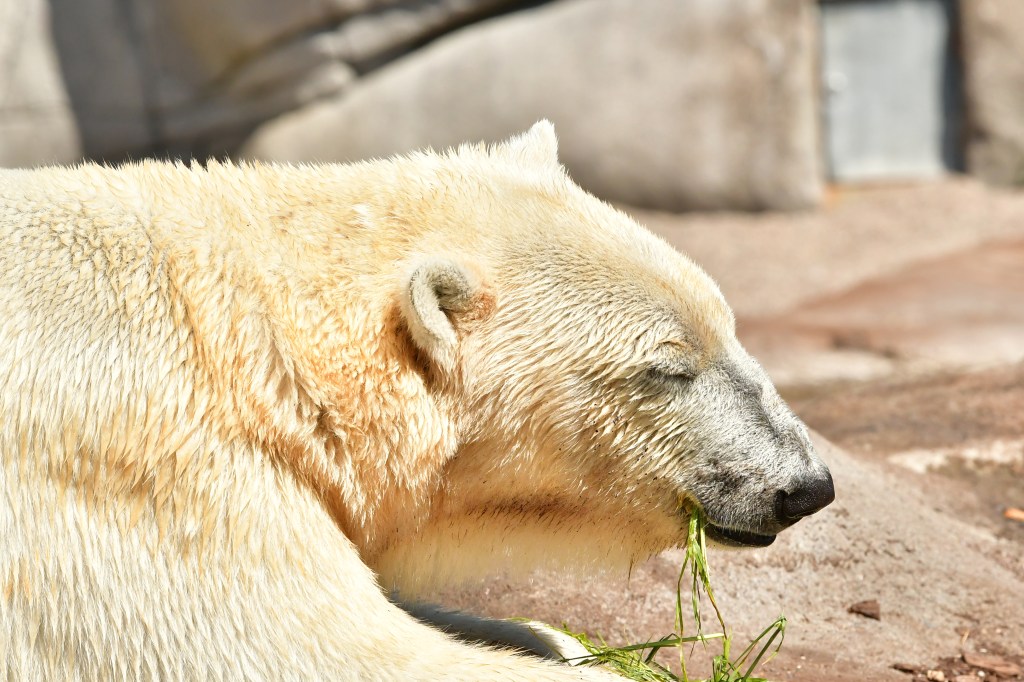
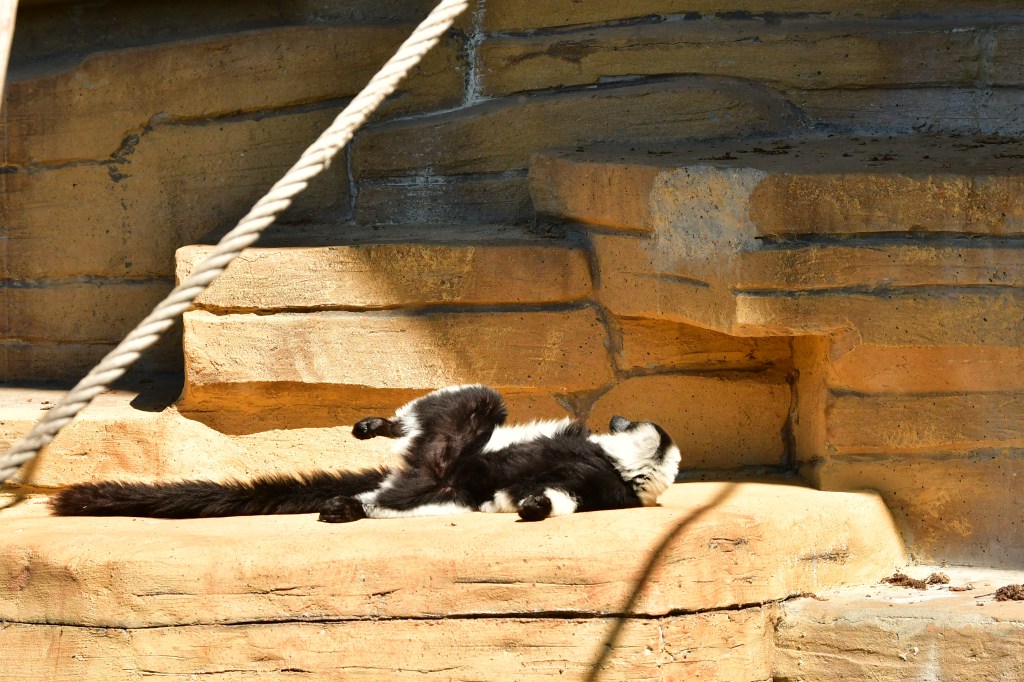
9. Photo Gallery & Favorite Moments
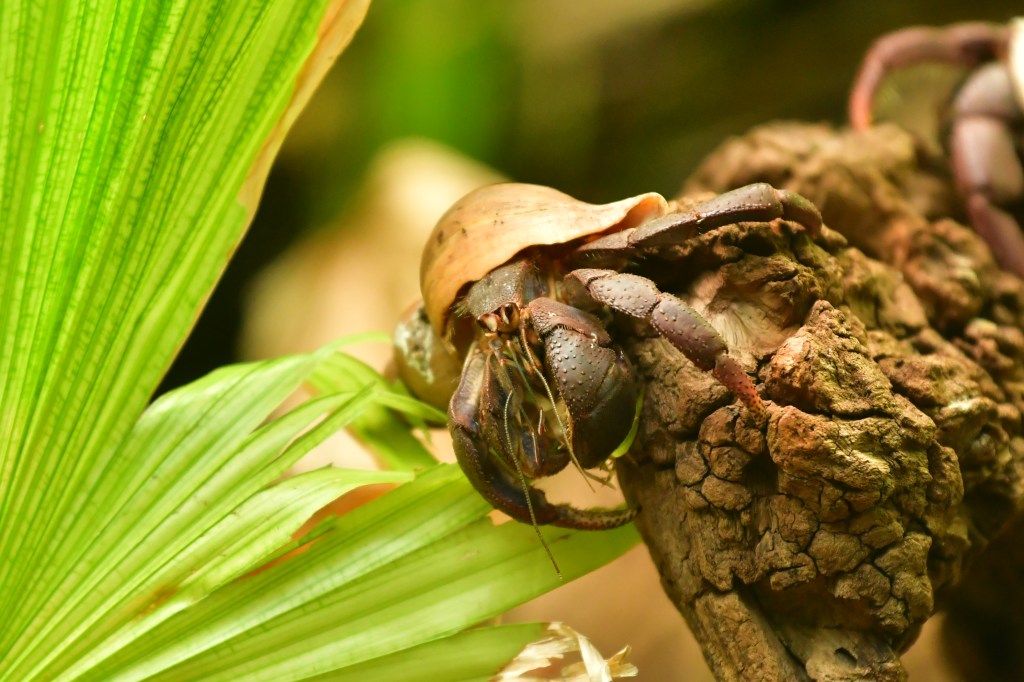
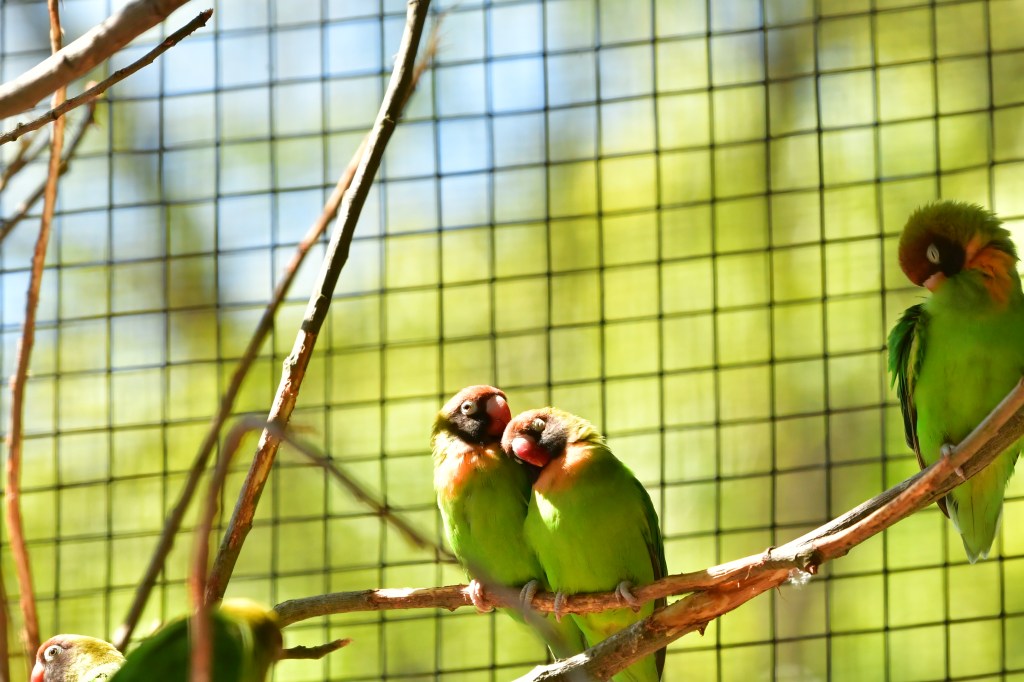
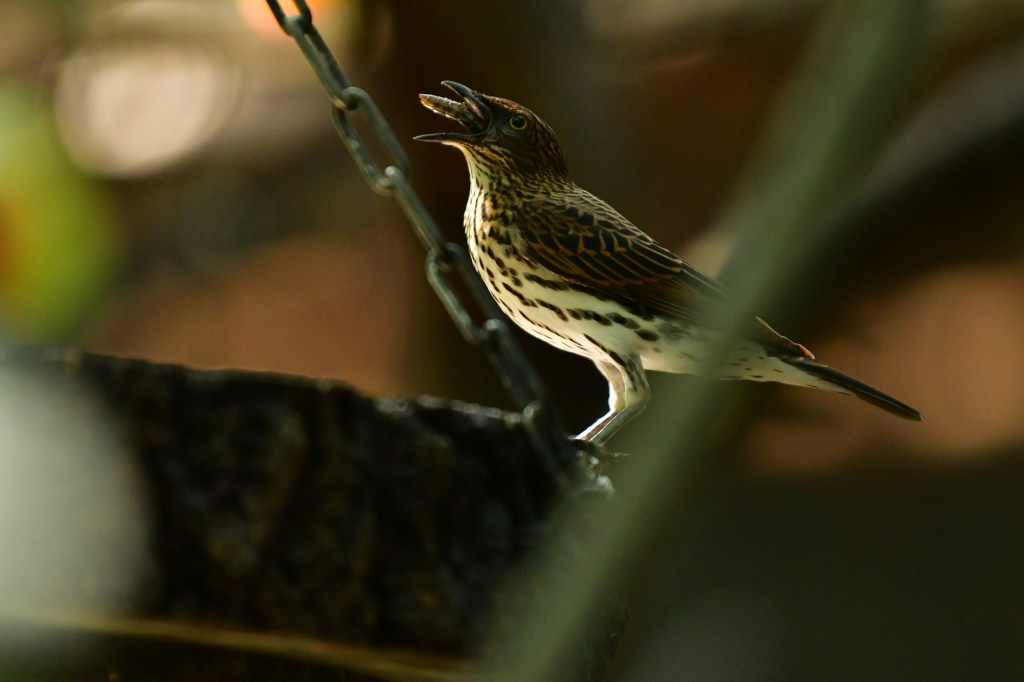
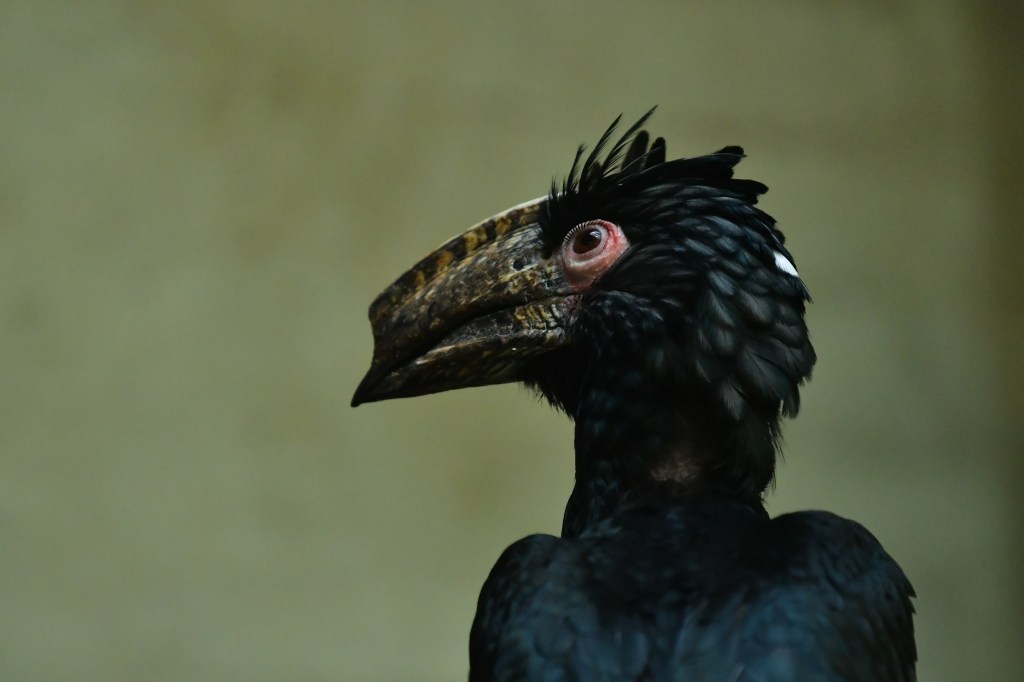
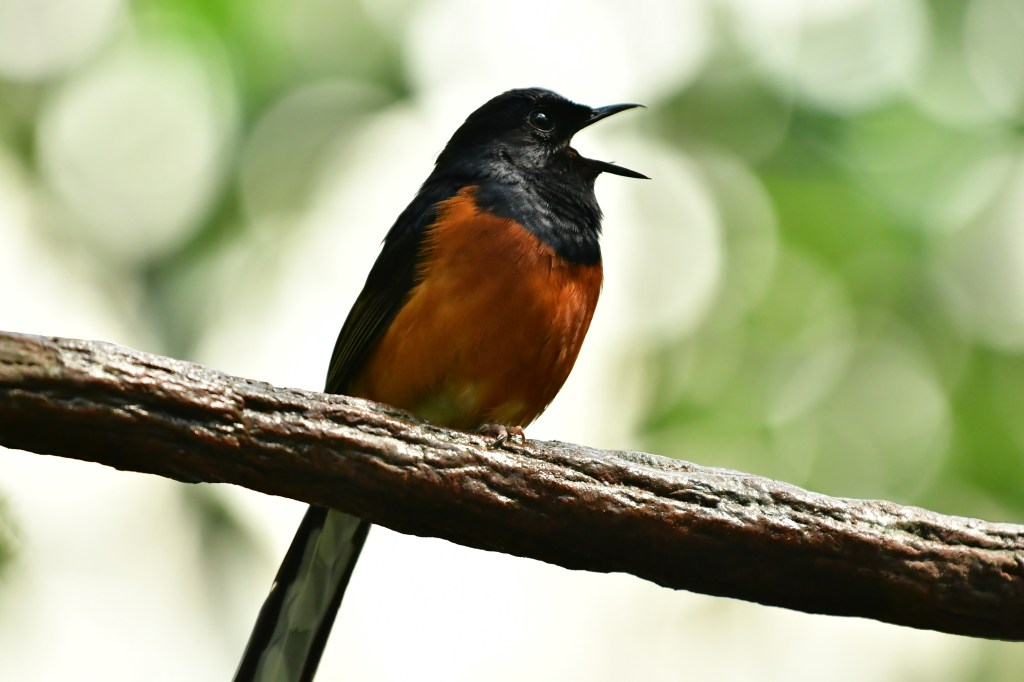
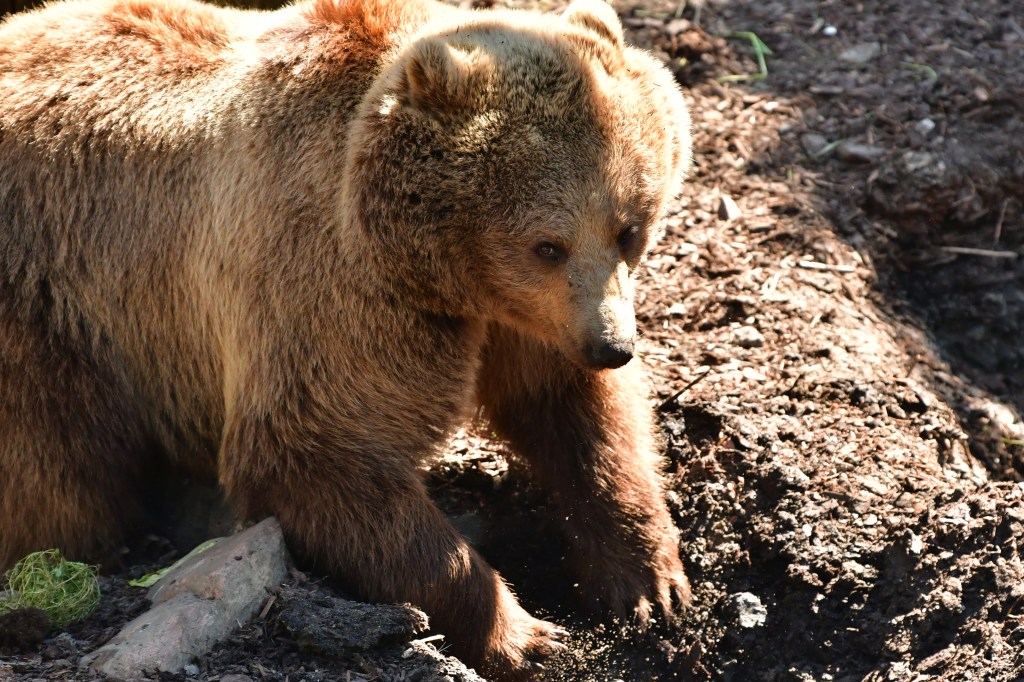
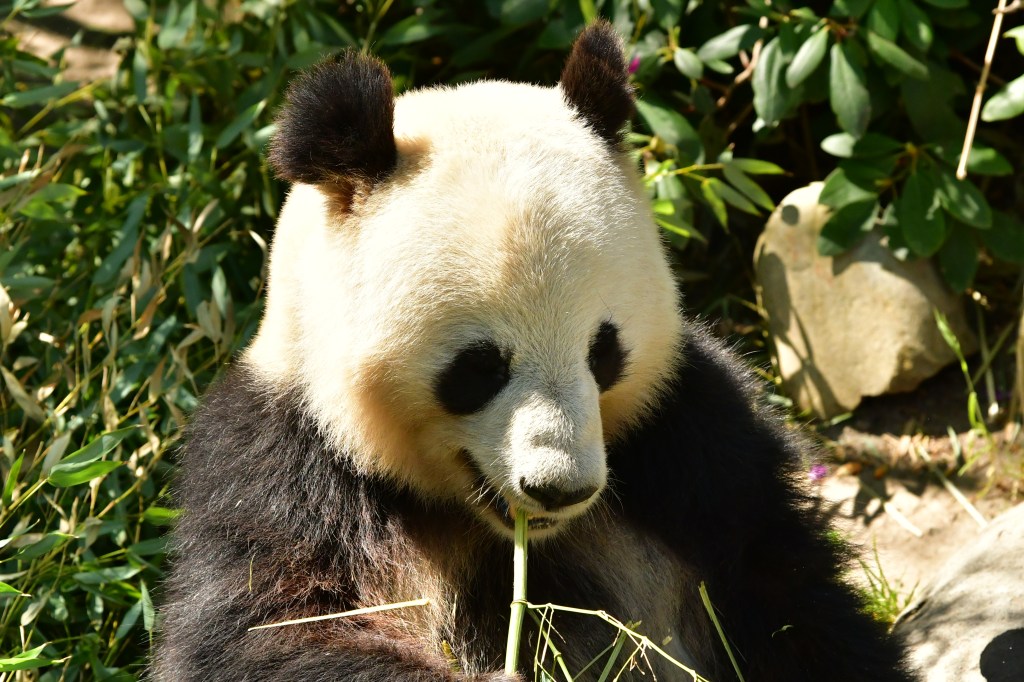
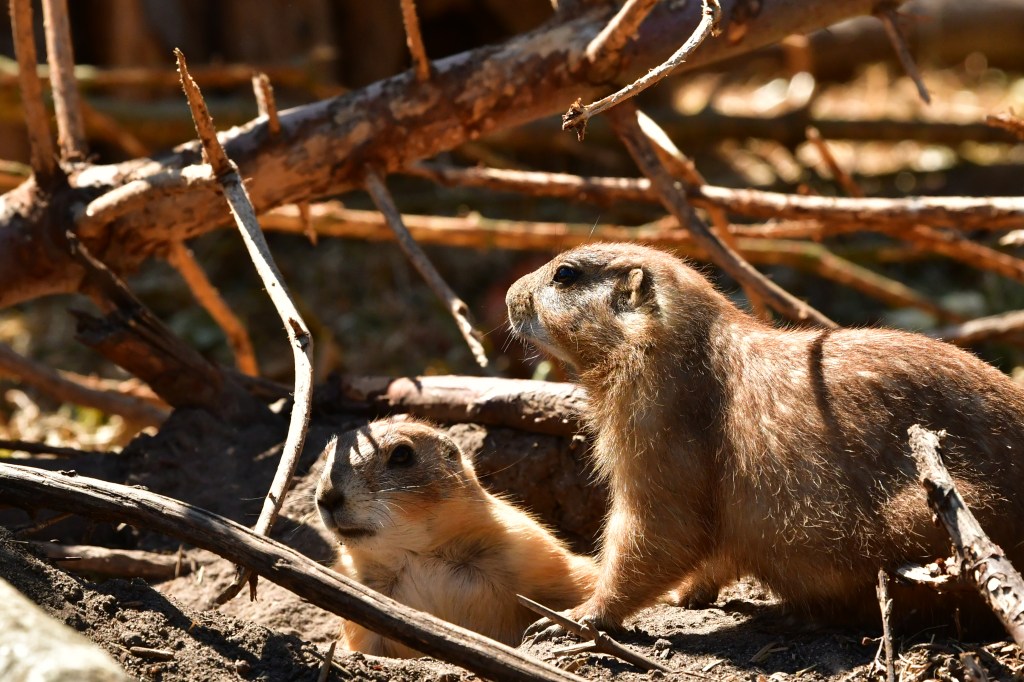
10. What Petting Zoos Really Teach Us
Most people see a petting zoo as just a cute detour on a weekend trip—a place where kids squeal and parents snap phone pictures. But anyone who’s truly lived in that world, anyone who’s grown up inside those fences like I did, knows a petting zoo is a classroom for something much bigger than animal facts.
Empathy You Can’t Fake
The real lesson is empathy. You learn it with every timid rabbit and every stubborn goat. Animals don’t perform for your convenience; they exist in their own world, with their own needs and fears. If you want to connect, you have to earn it. That means learning to read them—when a sheep’s tail twitches, when a bird fluffs its feathers, when a pig just isn’t interested. You learn to respect boundaries, to give space, and to recognize that trust is something built, not demanded.
Patience Is the Only Shortcut
Petting zoos force you to slow down. There’s no shortcut to winning over a nervous animal or catching a rare moment. You wait, you watch, and sometimes you walk away with nothing but mud on your boots—and that’s okay. This patience doesn’t just make you a better animal handler or photographer; it seeps into every part of your life. I learned to wait for things, to listen more than I spoke, and to let things happen on their own timeline. In a world addicted to instant gratification, that’s a superpower.
Respect for Individuality
Every animal—even two goats from the same litter—has its own personality. You start to appreciate small quirks: the chicken who rules the roost, the gentle old sheep, the troublemaker ferret. Petting zoos teach you that individuality isn’t just a human trait. It’s everywhere. The more you pay attention, the more you realize how rich and complex animal lives are, and how much you can learn by simply observing.
Lessons for Life—Not Just Childhood
For me, those early years at Orøstrand weren’t just about feeding animals or mucking stalls. They were about building emotional intelligence—learning to recognize subtle cues, to control my own impulses, to show up for others (even if “others” had four legs or feathers). Those are the skills that got me through tough times as an adult. When you grow up respecting animals, it shapes how you see people, too.
The Unspoken Curriculum
Petting zoos are more than a collection of animals—they’re microcosms of life. You learn about boundaries, responsibility, failure, and forgiveness (usually from the goat who escapes for the third time in a week). These aren’t lessons you get from a book or a screen. You get them from getting your hands dirty, watching, waiting, and caring.
Why It Still Matters to Me
Even now, after years as a zookeeper and photographer, those lessons are still with me. I see them every time I pick up my camera, every time I approach an animal, every time I have to slow down and just be present. If more people experienced that kind of learning—not just as kids, but as adults—I honestly think the world would be a kinder, more patient place.
Petting zoos teach you to care. And in a world that often forgets how, that’s more important than ever.
11. The Trap Card: Zookeeper Training as a Secret Weapon
People love to ask, “What’s the point of having a zookeeper qualification if you’re not a zookeeper anymore?” They think of diplomas as things you put on a wall, proof that you’ve done something once upon a time. For me, the value of my zookeeper training is the exact opposite: it’s what I carry with me, every single day, everywhere I go—especially with a camera in my hand.
What Most Photographers Don’t See (or Don’t Even Know to Look For)
Wildlife photography isn’t just about finding the right angle or perfect light. It’s about understanding what’s happening beneath the surface—reading an animal’s mood, catching subtle shifts in behavior, and knowing when something just isn’t right. Zookeeper training hardwires you to see these things.
- Stress signs? I see them before most people even notice the animal’s awake.
- Illness? The tiniest changes in movement or posture jump out at me.
- Aggression? I know when to back off before the warning signs most people recognize.
That knowledge isn’t in the camera manual—it’s in the muscle memory and mental checklists that years of animal care beat into you. When I’m at a zoo or a wildlife park, I see so many photographers rushing for a shot, waving their hands, tapping the glass, trying to “wake up” an animal. They don’t realize they’re just making things worse—for the animal and their photos.
Ethics as an Advantage—Not a Limitation
One of the biggest secrets nobody tells you: animal welfare isn’t just a moral box to tick. It’s also your key to better photos. Animals that trust you, or at least aren’t afraid of you, will behave naturally—and that’s when you get those magical, authentic moments that everyone else misses. My training means I know how to approach, how to blend in, and how to stay out of an animal’s stress zone. It means I never have to stage a shot or risk the animal’s well-being just for a photo.
Solving Problems Before They Start
It’s not just about the animals, either. My zookeeper background helps me predict and solve problems before they become disasters:
- Enclosure barriers: I know where to stand and where not to, so I don’t end up with bad reflections or unsafe footing.
- Feeding routines: I time my visits for the best activity, not just when crowds are gone.
- Animal personalities: I remember which goat always tries to steal my camera bag, which llama will pose for ten minutes, and which bird hates crowds.
Mental Edge—Confidence and Calm Under Pressure
Maybe the biggest “trap card” is what’s happening in my head. Working as a zookeeper forces you to be calm in chaos. Animals have emergencies, people panic, plans change. You learn to not freak out when things go sideways. That’s a skill you cannot overvalue, especially when you’re dealing with unpredictable wildlife, expensive gear, and those moments where you’ve got one shot to get it right.
A Legacy, Not Just a Certificate
When I shoot, I’m not just another hobbyist pointing a lens at a cage. I’m drawing on years of experience and a real connection to animal welfare—a legacy I’m proud of. My trap card isn’t just knowledge; it’s trust: animals trust me, keepers trust me, and even other photographers sometimes notice I get shots they can’t explain.
It’s a secret weapon—one that shapes every photo I take, and one I’ll never outgrow, even if I never work in a zoo again.
12. Why I Photograph, Not Handle, Animals Today
When people hear I left the zookeeper job, they sometimes think I “gave up” on animals or got burned out. The truth couldn’t be more different: I left because I realized where I truly fit in the animal world—and where I could actually thrive, both for myself and the animals.
The Difference Between Handling and Watching
Zookeeping is hands-on, active, and—honestly—relentless. You’re responsible not just for feeding, cleaning, and care, but also for public engagement, education, and safety. You’re always “on.” That’s a role for people who feed off constant interaction, unpredictability, and social energy. It’s a job that requires your full physical presence, a thick skin, and a high social battery.
But I’m wired differently. I’m not the person who wants to be in the spotlight or have a crowd looking to me for answers. My strengths are in silence, patience, and quietly noticing what nobody else does. The best animal moments—the ones that make you gasp or smile—almost always happen when nobody’s watching. And you only see them if you’re still, observant, and able to fade into the background. That’s where I excel.
Why Observation Fits My Mental Space
Handling animals, especially in public, means you have to project confidence, stay alert for anything, and often manage other people’s expectations. There’s no room for introversion or sensitivity—you have to suppress those to “perform.” I can do it for a while, but it drains me. I end up feeling more like a showman than a caretaker, and that’s not who I am.
Photography, by contrast, gives me a way to channel my empathy, my sensitivity, and my carefulness. I can focus on a single animal, block out the world, and wait for something real to happen. I don’t need to force interactions or direct the scene. I get to witness and honor the animal’s world, not just manage it.
The Deeper Connection
Stepping back from handling doesn’t mean I care less. In fact, it often means I care more. Watching animals from behind the lens, I feel a sense of connection and respect that’s hard to put into words. I’m not just capturing an image—I’m sharing a private moment, one that’s only possible because I’m not intruding, just observing.
For me, that’s a calling. Not everyone is built for the hustle and public-facing grind of zookeeping. Some of us are meant to be watchers, to notice the details, and to quietly celebrate the beauty that happens in the margins. My photos are my way of giving those moments to the world.
Why It Matters
This approach isn’t just “easier” on me mentally—it’s also better for the animals. I’m not adding stress, not demanding their attention, not turning their lives into a performance. Instead, I let them be themselves, and in return, I get to see (and show others) their authentic selves.
That’s why I photograph, not handle, animals today. It’s how I take care of them and myself, staying true to who I am—both as a sensitive observer and as someone who never lost that childhood awe for the animal world.
13. Advice for Future Wildlife Photographers (And Why Most Should Start as Animal Workers)
If I could give only one piece of advice to anyone dreaming of wildlife photography, it would be this: Don’t start with the camera—start with the animals.
The Real Classroom is the Barn, Not YouTube
You can watch all the photography tutorials you want, read endless gear reviews, and drool over Instagram wildlife shots. None of it will teach you what a half-day mucking out pens, prepping feed, or shadowing a keeper will. Real animal work is dirty, repetitive, unglamorous—and it’s where you learn the things a lens can never show you.
When you scrub enclosures or hand-feed a nervous goat, you learn more than “what” an animal is—you learn “who.” You get a sense for their quirks, their boundaries, their bad days and good moods. You notice how a rabbit freezes when anxious, or how a bird’s posture can signal comfort or distress long before it makes a sound.
Why This Matters for Photography
You want animal photos that have soul, not just sharpness? Then you need empathy, timing, and trust. That only comes from working side by side with animals—getting bit, scratched, stepped on, but also accepted. It’s not about taming them; it’s about respecting their world and earning your place as a quiet observer.
The best wildlife photographers I know are also former keepers, rescuers, farmhands, or shelter volunteers. They can anticipate the moment an animal will yawn, dart, leap, or hide—not because they read it somewhere, but because they’ve lived it.
It’s Not About the Shot—It’s About the Subject
If you haven’t cleaned a chicken coop or sat in silence for an hour waiting for a skittish animal to get used to your scent, you’re missing the heart of wildlife photography. The animal comes first—the photo comes second. Otherwise, you risk turning living, feeling beings into props.
My years as a zookeeper and animal caretaker didn’t just give me better access—they gave me humility and perspective. I learned to be patient. I learned to back off. I learned to accept that some days, the animal says “no,” and that’s okay.
Developing a Sixth Sense
Most new wildlife photographers focus on settings, gear, and chasing the perfect moment. But when you’ve been in the trenches, you develop a sixth sense—call it animal intuition. You’ll spot that subtle tail flick that means a fox is about to move, or the micro-freeze before a rabbit bolts. Your camera settings matter, but they mean nothing if you can’t read the subject.
Why “Starting at the Bottom” is a Privilege, Not a Punishment
Some see animal work as “beneath” them—just a stepping stone. I see it as the foundation. Every hour spent cleaning, feeding, and quietly watching is a gift that will shape you as a photographer and as a person.
Final Thought: If You Want Their World, You Have to Earn It
Don’t just take pictures of animals—earn the right to tell their story. Understand them, respect them, and—most of all—be humble. The best wildlife images are the ones where you can feel the relationship between photographer and subject, where trust and understanding leap off the frame.
If you start as an animal worker, not just a camera jockey, your work will stand out. You’ll capture more than an image. You’ll capture a connection.
14. FAQ: Answering the Questions I Always Get
- Q: Do you miss being a zookeeper?
A: Sometimes, but photography lets me stay close without burning out. - Q: What gear do you recommend?
A: DX body + FX glass for reach, reliability, and cost-effectiveness. - Q: What’s the hardest animal to shoot?
A: Birds and reptiles—masters of hiding! - Q: How do you spot animals others miss?
A: Years of animal care and a little bit of obsession with detail. - Q: Any regrets?
A: Only that I can’t do both full-time. But life’s a trade-off.
5. Closing Reflections: Finding Meaning in the Space Between Worlds
For me, Orøstrand isn’t just a childhood memory or a pin on a map. It’s a living, breathing space where every hoofprint and feather tells a part of my story—a place where the wild and the domestic, the human and the animal, the old ways and the new, all overlap. It’s a reminder that we’re never just one thing. We are all, in some way, hybrids: part instinct, part intention, shaped by where we come from and where we hope to go.
Standing with a camera in hand, surrounded by the familiar chaos of bleating goats and the quiet curiosity of children, I feel that sense of “in between” more than anywhere else. I’m not a zookeeper anymore, but I’m not just a photographer either. I’m someone who moves quietly through both worlds—able to translate what I see and feel into something lasting, something that speaks for the animals I grew up with.
That’s my “edge”—my secret advantage. Every time I focus my lens, I’m not just framing an image; I’m drawing on a lifetime of experience. The patience I learned mucking out stalls, the instinct to spot a nervous twitch or a flash of excitement, the humility to respect an animal’s boundaries—these are the invisible skills that shape every shot I take. My animal care background is always there, like a shadow behind every photograph, guiding my decisions, reminding me that there’s always more to see if you’re willing to look deeper.
And if I’m honest, I hope my work is more than just a collection of nice images. I want it to be an invitation—to slow down, to see with kinder eyes, to remember that every creature, no matter how small or overlooked, has a story. I want people to feel a little more connected to the world, a little more open to wonder, and a lot more patient with the messiness of real life.
Orøstrand taught me that the space between worlds is where the magic happens. It’s not always comfortable, and it’s rarely simple. But in those quiet moments—between shutter clicks, between childhood and adulthood, between the wild and the tamed—you find something real. That’s where I find meaning, and that’s what I try to share with every photo.
I may never be a full-time zookeeper again, and that’s okay. My path is my own: a mix of observation, reflection, and wild-hearted nostalgia. Every time I photograph an animal, I’m carrying a piece of that past with me. And with every new image, I’m still learning—still hoping for a future where we notice, respect, and protect the creatures that share our world.
That’s why I keep coming back, camera in hand, heart open to whatever wildness the day brings.
Final Word
If you love animals, chase understanding before you chase the perfect shot. Be present, be patient, and don’t be afraid to stand out from the crowd. Whether you’re a zookeeper, a visitor, or a hobby photographer with a dream—remember, it’s the connection that counts.
 Kiba Snowpaw
Leave a comment