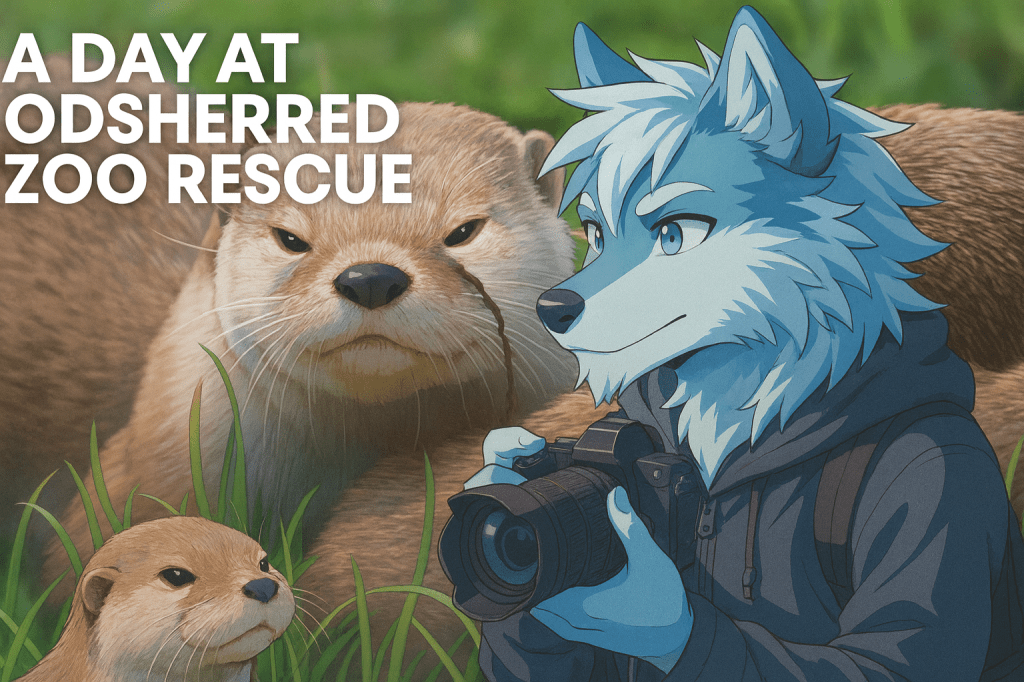


Welcome to Denmark’s Only Exotic Rescue Zoo
Odsherred Zoo Rescue isn’t just another stop on the map—it’s Denmark’s first and only sanctuary dedicated to rescuing exotic animals in need. Tucked away in the countryside near Asnæs, far from the noise and concrete of city zoos, it’s a place where every inhabitant has a story, and many of those stories begin in hardship. Here live animals that have been saved from testing laboratories, pulled out of illegal wildlife trafficking, or rescued from neglectful conditions where their welfare was forgotten.
This is not a flashy, commercial park built to impress tourists—it’s a working rescue facility, and you can feel that difference the moment you step through the gates. The atmosphere is calmer, more personal. The focus isn’t on entertainment, but on giving each animal a safe, enriched life, while also helping visitors understand what “rescue” really means.
Across roughly 600 animals spanning 90 to 100 species, the enclosures range from shaded aviaries to open grasslands, from reptile terrariums to spacious paddocks for larger mammals. Many are designed to give animals privacy and comfort first—sometimes at the cost of visitor visibility, but always in service of their well-being.
Odsherred Zoo Rescue operates on a mission-driven model. There’s no endless flow of state funding—much of its survival depends on ticket sales, café purchases, souvenirs, and direct donations. That means every ice cream you buy, every T-shirt you take home, and every krone you drop in a donation box goes straight back into animal care, veterinary treatment, enclosure upkeep, and rescue operations.
It’s a place built on compassion and second chances—and while it may not have the polish of a big city zoo, it has something far more valuable: purpose.

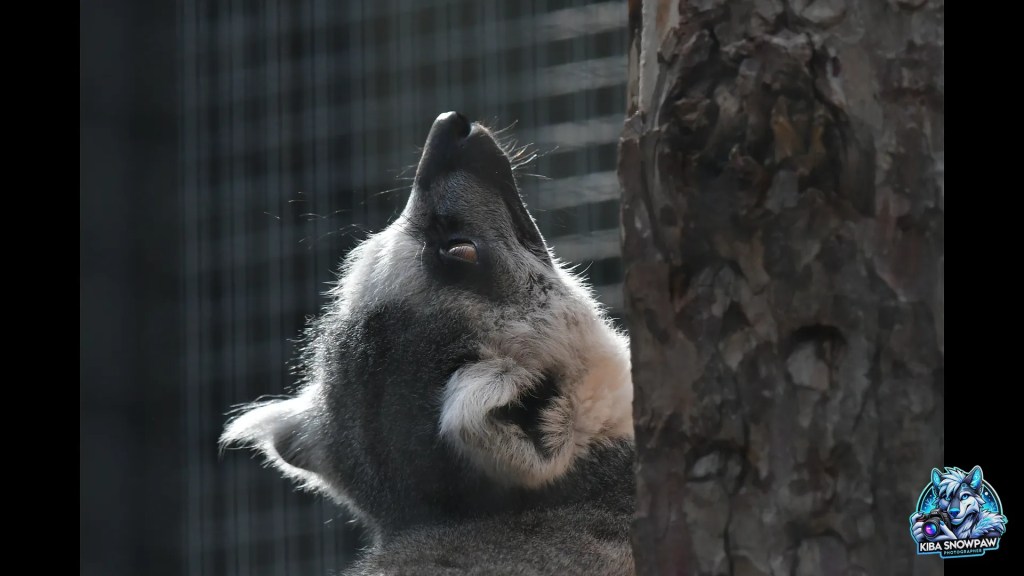
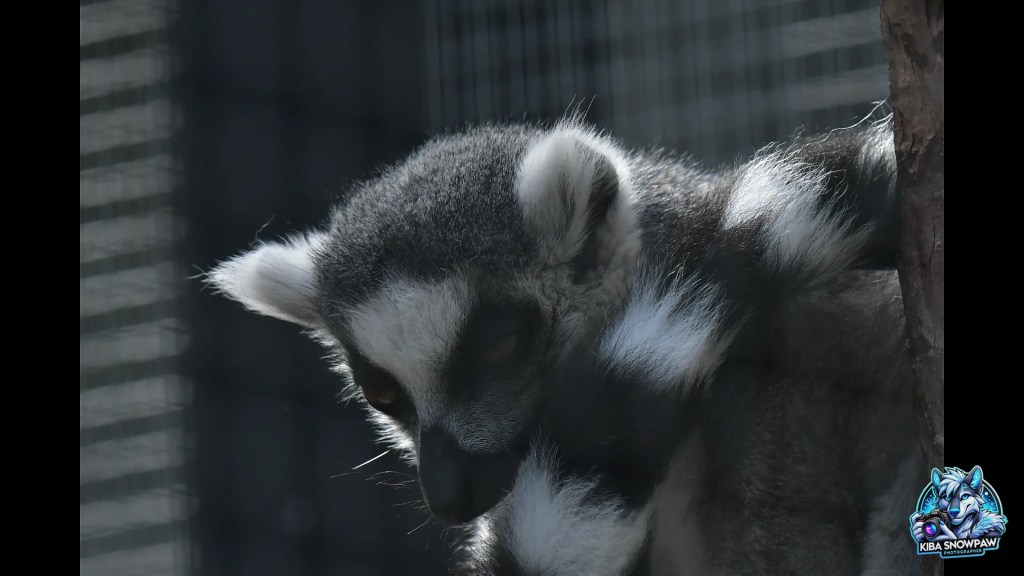

The Good: Hats Off to the Mission
From the moment you start exploring, you realize this isn’t a “look at the animals and move on” kind of place. The pace is slower, the paths feel more personal, and there’s a certain quiet that lets you actually hear the sounds of the animals instead of just the chatter of crowds. It’s a zoo, yes—but it’s also a living rescue center, and that difference runs through everything.
You can see the staff’s dedication in the way they interact with both animals and visitors. It’s in the small things: the way someone stops to check a gate latch twice, how another takes time to answer a child’s question about a parrot, or the care taken when feeding an older animal who needs extra attention. These aren’t people here just for a job—they’re caretakers, educators, and advocates rolled into one.
Many visitors have noted, and I saw for myself, that staff-led talks and feeding sessions aren’t just for show. They share the backstory of each rescue—where the animal came from, what challenges it faced, and how it’s adapting to its new life. These stories turn a simple enclosure viewing into a moment of connection. You stop seeing “just a tiger” or “just a parrot” and start seeing a survivor with a name, a history, and a second chance.
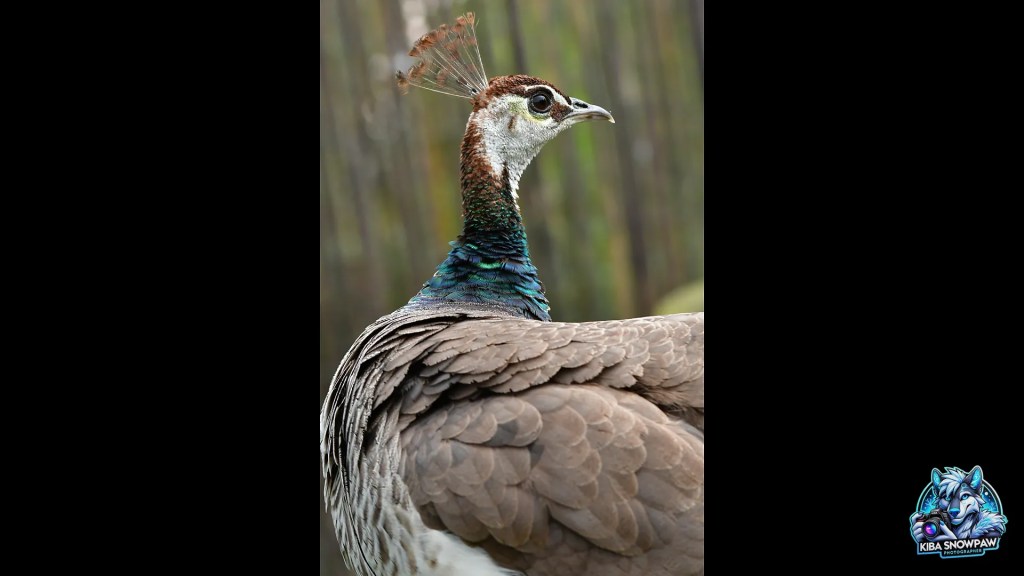
That warmth is hard to fake. It’s in the way you feel welcome here, whether you’re sitting with a coffee, watching peafowl wander freely, or leaning on a fence to quietly observe a lynx in the shade. You leave with the sense that this place matters—not just to the animals it houses, but to the people who give their time, energy, and heart to keep it going.
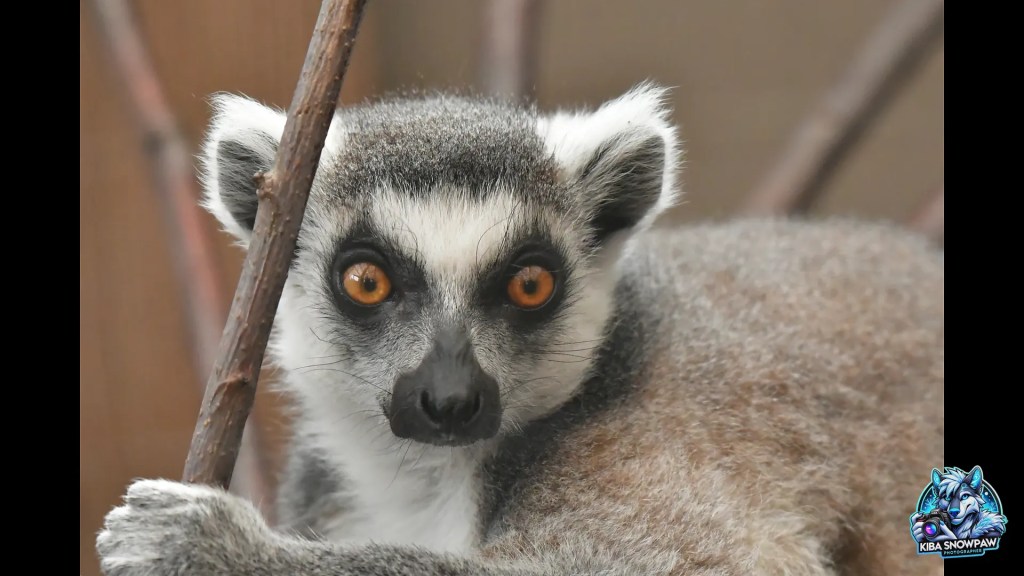
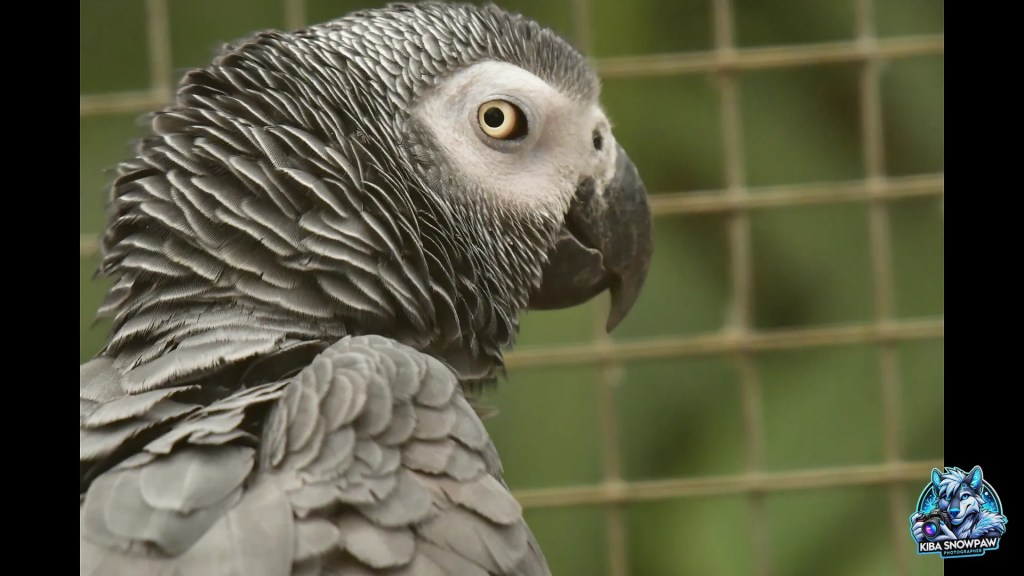
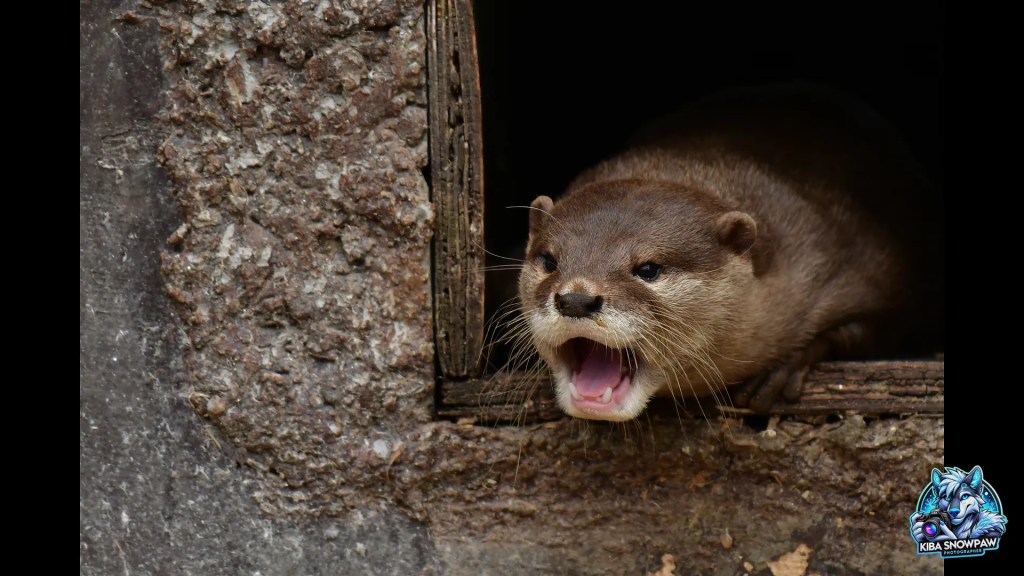
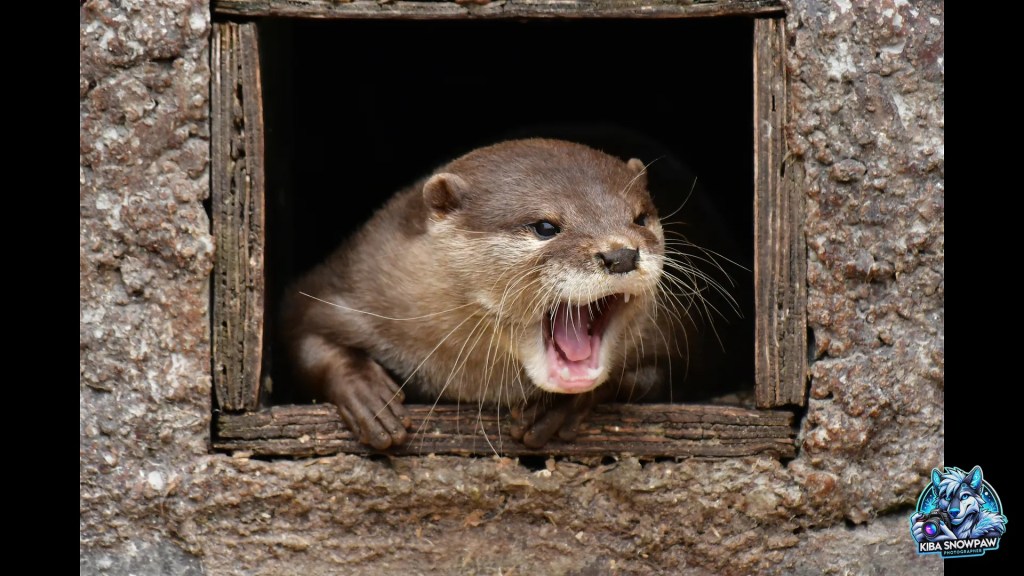
My Photos, My Eye—Across the Zoo
1. The Quiet Pathway (and the First Impression at the Gate)
The very first thing you meet is the main entry door with a small note asking visitors to keep it closed. In practice, that isn’t working: I walked past it three times, and three times it was standing open. That’s not a minor detail—there’s roughly 85 meters from that door to the main road. If a small child slips away, or one of the free-roaming peafowl wanders out, it can turn serious fast. (Yes, a peafowl can probably hop a fence if it really wants to— they’re great at getting up high— but leaving the primary barrier open is just inviting trouble.)

This is one of those issues that can be fixed quickly and cheaply without changing the character of the place:
- Fit a self-closing hinge or a simple spring/chain closer so the door shuts by itself.
- Or use the low-tech solution: a rope over a round bar/pulley with a small counterweight so the door gently returns to closed every time.
- Add a soft catch (magnet/roller latch) so it doesn’t slam but still stays shut.
Now, step past that door and you hit the long grassy dirt track, fenced on both sides. It’s calm and rural—the crunch under your shoes, leaves moving in the wind, the odd call from an aviary. I like the slow, “let it breathe” vibe. But right now it also reads as unfinished. There’s no arrow, no “you are here,” no hint of what’s ahead. For first-timers (especially families), it creates that “are we even going the right way?” feeling.
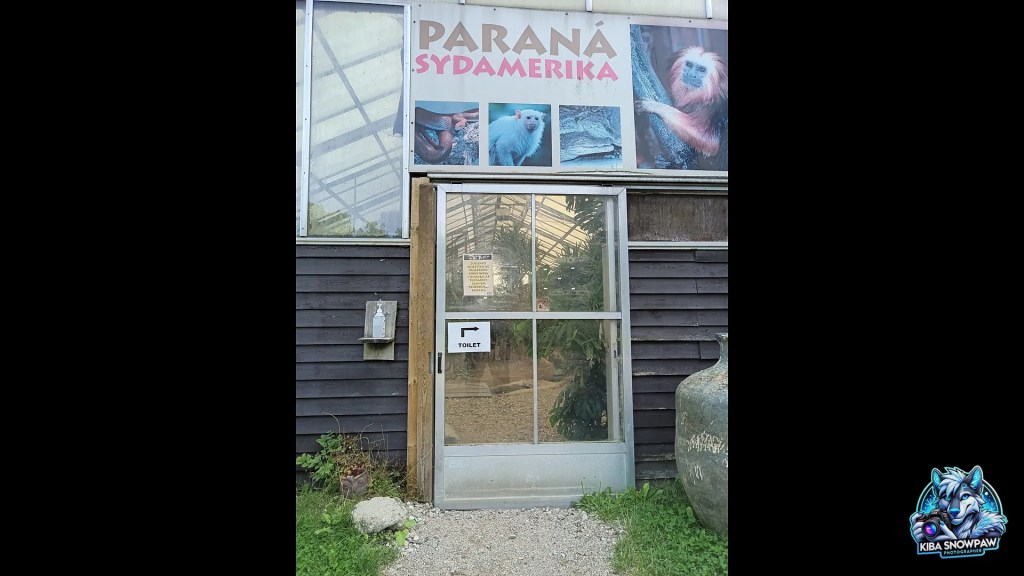
What’s missing isn’t animal information; it’s wayfinding:
- Arrow signs at decision points: Terrarium →, Café →, WC →, Highland Cattle ←, Exit ←.
- A small “You are here” map at the gate and again at the first junction.
- Distance markers help more than you’d think: WC 120 m →, Café 90 m →.
- Icons for quick scan: WC, stroller, step-free, café cup, picnic bench, peafowl crossing.
- Color-coding (posts or tiny trail-dots): Green route (family loop), Blue (terrarium), Brown (farmyard), Red (exit).
- Consistency inside the terrarium too: once you enter, keep the arrows going so people don’t wonder if they’ve walked into a staff zone.
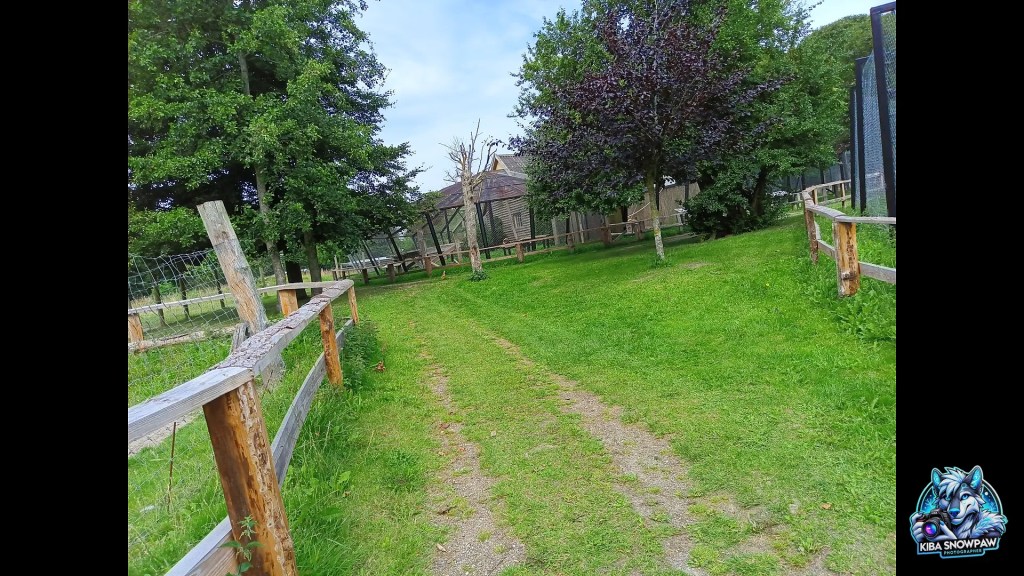
A couple of hand-painted wooden arrows would already change that first stretch from “just a farm track” into the start of a deliberate journey. Combine that with a self-closing main door and you’ve solved two problems at once: safety at the threshold and clarity for the rest of the visit.
2. The Caracal’s Quiet Joy
It’s the kind of moment you hope for when visiting a zoo—catching an animal not just existing, but thriving. In this case, a caracal stretched out and rolled blissfully in the grass, paws in the air, eyes half-closed in contentment. It was pure magic, the sort of behavior that reminds you why these animals deserve the space and safety they’ve found here.

But here’s the catch: I only saw it because I happened to be looking at just the right angle, at just the right second. For the rest of my time at the enclosure, the caracal was almost completely hidden by tall grass and the natural slope of the ground. Most visitors passing by wouldn’t have even known this beautiful cat was active, let alone enjoying itself.
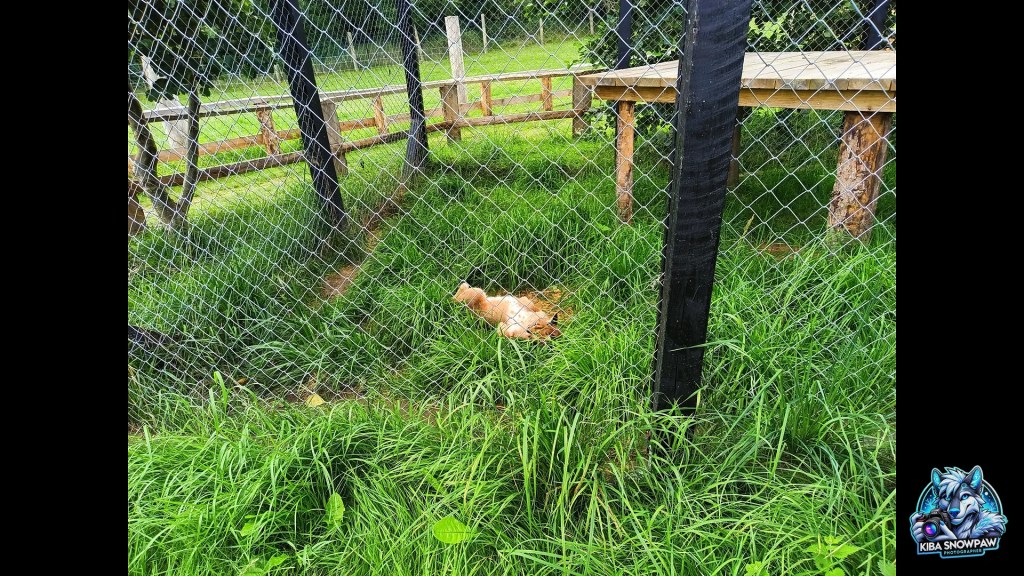
That’s really the heart of my point—habitat visibility matters. I’m not advocating for stripped-down, artificial-looking pens; the natural cover is important for the animal’s comfort and mental health. But a little thoughtful landscaping could go a long way. Imagine a small, trimmed clearing where the caracal might rest in view, or a slightly elevated platform positioned where guests can see it without disturbing it. Even subtle adjustments could turn hidden moments like this into shared experiences for more visitors.
Because in the end, seeing an animal happy is more than entertainment—it’s education. It’s connection. And it’s the kind of memory that makes people want to come back, donate, and support the mission.
3. The Café That Didn’t Invite
After a slow walk through the zoo, I stopped for something small—a simple Filur ice cream. I wasn’t planning to linger long, but part of me hoped the café area might tempt me to stay a little while, relax, and enjoy the surroundings. Instead, it felt… off.
The setup looked more like a leftover patio from a bar or a closed-down restaurant than a welcoming zoo café. Wicker chairs and heavy outdoor tables, all mismatched, crammed together without much thought to layout or atmosphere. It didn’t feel connected to the zoo at all—no warmth, no charm, no sense of being in a place that’s about animals and nature.

And here’s my two cents: I honestly think simple wooden benches would feel more inviting than those grill-bar-style chairs. Even a casual, camping-style setup—maybe with low benches or seating right on the ground—would feel more natural and in tune with the rest of the zoo. This current arrangement feels awkward, like it belongs somewhere else entirely.
There’s also the practicality issue. If you came as a large group, how would you even sit together here? The current layout doesn’t make it easy. A few longer benches or flexible seating arrangements could change that, making it a space where families, school trips, or just groups of friends could comfortably gather.
A café is more than a snack stop—it’s part of the visitor experience. Done right, it becomes a place where people slow down, enjoy the atmosphere, and maybe even extend their stay. Right now, this one misses that opportunity.


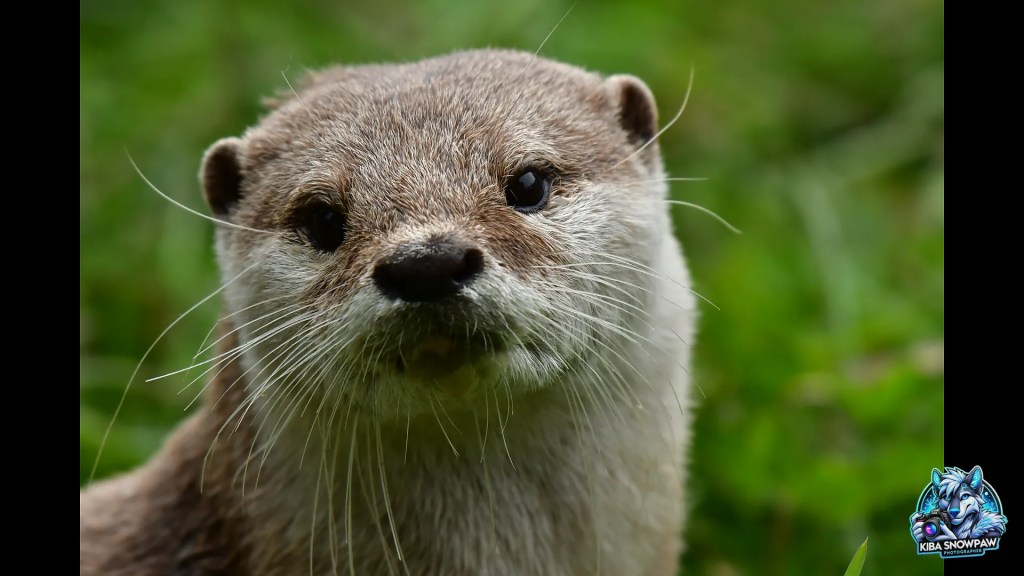

4. Leaning Shed (Scots Highland Cattle Enclosure)
In the Scots Highland Cattle enclosure, one structure stood out—and not in a good way. The shed was visibly leaning, its frame slightly off-kilter as if it had been slowly sagging over the years. Weathered wood, a patchwork of plywood repairs, and that unmistakable “seen better days” look made it hard to miss.
Now, I don’t believe it’s about to collapse tomorrow. It’s more the kind of slow wear that creeps in unnoticed until one day, the problem’s much bigger. And that’s why I bring it up—it’s so much easier (and cheaper) to fix before it becomes urgent.

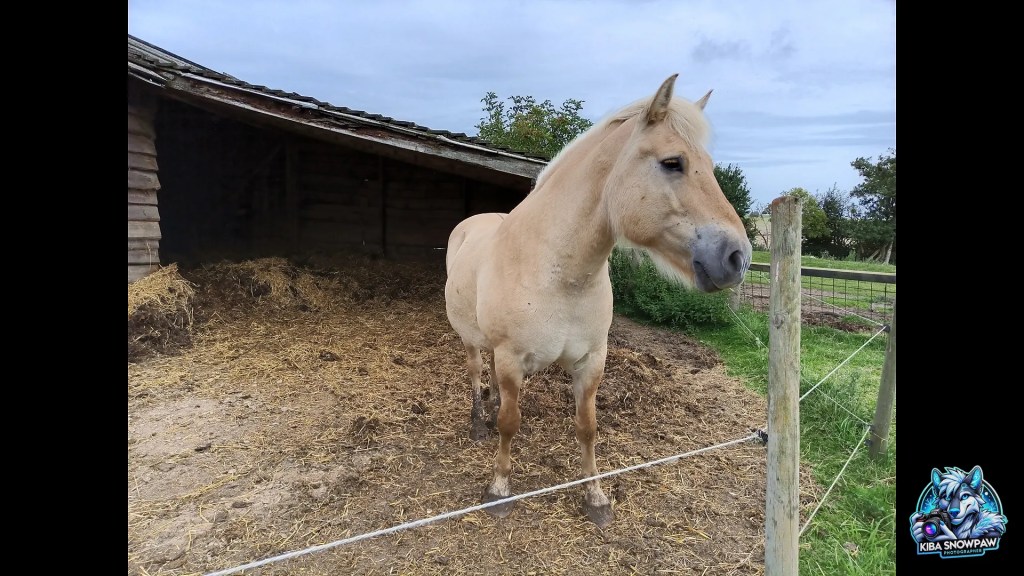
There’s also the visitor’s point of view. When you’re at a rescue zoo, you expect the animals to be safe, comfortable, and well looked after. That’s the trust you place in the people running it. A shed that looks like it might give up any day doesn’t exactly reassure people, even if the actual risk is low. It quietly plants a doubt in the back of your mind—and that’s not something you want lingering while you’re supposed to be enjoying your visit.
From the animals’ side, this is their shelter from the elements, their safe space. A strong, well-kept structure isn’t just about appearances—it’s about their comfort and security. For a rescue zoo especially, where many animals have already come from unstable or unsafe conditions, giving them solid, well-maintained spaces says, “You’re safe now.”
This one is a fix worth doing sooner rather than later—not because there’s panic in the air, but because it’s the kind of thing that sends the right message: the animals are safe, the facilities are cared for, and the visitors don’t have to worry about a thing except enjoying the experience.


5. The Plain Green Field
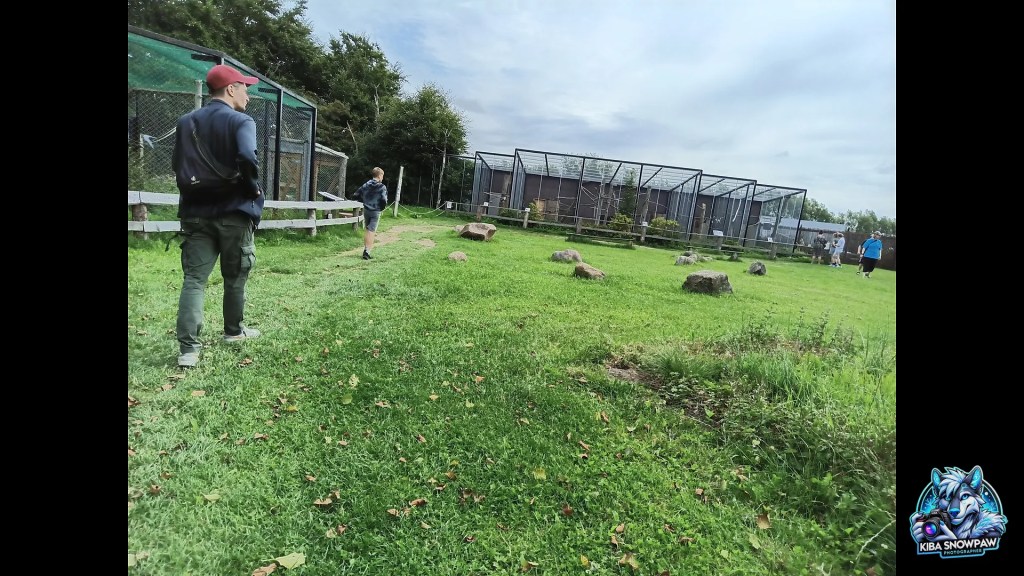
There’s a difference between “peacefully open” and “visually empty,” and this patch of the zoo fell firmly into the second category. The photo says it all—an expanse of green grass, a few scattered rocks, and… that’s it. No natural layering of plants, no structures to draw the eye, nothing that sparks curiosity.
It’s not that green space is bad—far from it. Open areas give a zoo breathing room and keep it from feeling cramped. But here, it feels like a space that’s been left waiting for something to happen. You walk through it without a reason to pause, and that’s a missed opportunity.
A simple nature playground for kids could transform it instantly—not the bright plastic kind, but something rustic and in keeping with the rest of the zoo’s more natural tone. Think climbing logs, balance beams made from fallen trees, maybe even a little viewing platform to spot nearby animals. For adults, some thoughtfully placed benches or shaded seating would turn it into a quiet resting point instead of a pass-through.
Even small changes could breathe life into the area. A few native shrubs to attract birds, a wildflower patch for pollinators, or an interpretive sign explaining the plants and wildlife that naturally occur in the area would turn a flat, forgettable walk into something engaging.
Right now, it’s a space you walk past without thinking. But with a little intention, it could become a place where people linger—whether they’re catching their breath, watching nature, or just letting their kids burn off some energy before moving on. In a zoo where every corner could be part of the story, this one feels like it’s still waiting to be written.
Why This Matters
I’m not here to question animal welfare—that’s clearly a priority at Odsherred Zoo Rescue, and I respect it deeply. The animals look healthy, the staff seem dedicated, and the mission is genuine. I’ve worked in a zoo myself, as an ex-zookeeper in a place that, honestly, wasn’t much better than this one when it came to available money. So I know the reality—funding is always a battle, every improvement has to fight its way past a long list of other priorities, and sometimes you’re making do with whatever you can find.
But that’s why I’m focusing on the visitor experience here. You’re not trying to be a giant theme park with roller coasters and flashy enclosures—you’re a rescue zoo. What you are building is something even more valuable: a place where people can feel connected to animals, where they can understand the rescue mission, and where their visit encourages them to support that mission.
When smaller, visitor-facing details—like the café atmosphere, the first impression at the entrance, the walkway design, or even the clarity of signage—are overlooked, they don’t just fade into the background. They can unintentionally make the entire experience feel less special, less cared-for, and more like “just another day out.” And that’s a shame, because the mission here is anything but ordinary.
The truth is, most people don’t donate just because they read a sign saying “we rescue animals.” They donate, they return, and they tell others because the entire visit—every step, every seat they sit on, every sign they see—makes them feel like they’ve been part of something meaningful, welcoming, and worth supporting. Those “small” things aren’t luxuries—they’re part of the story you’re telling.
Practical Suggestions (From One Guest to Another)
These aren’t demands—just ideas from someone who’s both a visitor and an ex-zookeeper who knows what it’s like to stretch a small budget and still want to give guests the best day possible. Little changes can make a big difference here.
1. Improve Signage
Not just to show where the animals are, but to guide the journey. A couple of themed wooden arrows, painted boards, or even hand-crafted signs could help guests feel confident about where they’re going. Imagine a fun arrow pointing down the path saying “To the Caracals →” or “Keep Going—Lemurs Ahead!” It’s not only practical, it builds anticipation. You could also add moment signs—small notes like “The caracal likes to hide. Try visiting in the late afternoon for your best chance to see it.” These help people understand why an enclosure looks empty and encourage them to loop back instead of feeling they’ve “missed out.”
2. Adjust Habitat Visibility
This is about balance. You don’t want to strip habitats bare just so visitors get a clearer shot, but strategic trimming or adding low viewing decks/platforms can make all the difference. The caracal, for example, could be showcased more often with a few trimmed patches or a raised platform where it naturally likes to rest. This isn’t about forcing animals into view—it’s about giving visitors a fair chance to appreciate them when they choose to be active.
3. Café Update
Right now, the café area feels a bit like leftover furniture from a pub patio—sturdy but impersonal. The chairs and heavy tables might work for a bar, but they don’t match the relaxed, rescue-zoo vibe. Adding a mix of seating—benches, picnic tables, maybe even low beanbag-style seating for families—would invite people to stay longer. A couple of flower pots, some shaded spots, or even rustic wooden tables to match the rest of the park could make it feel less like a pit stop and more like a place to enjoy. If you’ve got space, group seating for larger parties would also help—right now, it’s tricky for big families or school groups to sit together comfortably.
4. Safety Upgrades (Including the Main Entrance Door)
Some issues might not be urgent hazards right now, but they still affect how guests feel about the place. The leaning Scots Highland Cattle shed and other visibly aging structures could use repairs—not just for safety, but for visitor trust.
But the most concerning thing I noticed was the main entrance door. It has a “Keep This Door Closed” sign, yet during my visit, I walked past it three times and found it standing open. That’s roughly 85 meters from the main road. For most people, that might just seem like a minor oversight, but think about it—a small child could run straight out, or one of the free-roaming peafowl could wander toward the road. Sure, a peafowl can probably hop a fence if it wants, but an open gate makes it far too easy for them to get into trouble.
A simple self-closing mechanism would solve this instantly. It’s inexpensive, unobtrusive, and would prevent that door from ever being left open again—protecting both animals and guests
5. Activate Plain Spaces
Some areas feel like you’re just walking through empty grass. Adding even small touches—a nature playground, an interactive learning board, shaded picnic spots, or art made from recycled materials—could turn these stretches into destinations, not just walkways. These little “pause points” give people a reason to stop, enjoy, and connect with the place beyond the animals themselves. That extra engagement often turns into longer visits, happier guests, and maybe even more donations.
In Summary
Odsherred Zoo Rescue is a heartfelt place doing genuinely important work. It’s not about flashy attractions or packing crowds in—it’s about giving a home to animals that have nowhere else to go. That mission comes through clearly, and as someone who has worked as a zookeeper myself—at a place that also had to make tough decisions with limited resources—I know the reality. Running a rescue is never about luxury; it’s about care, welfare, and making every kroner count.
But the visitor experience isn’t “just extra.” It’s the bridge between the zoo’s mission and the support it needs to survive. Guests are not only paying for a ticket; they’re becoming part of the rescue story. If they leave feeling guided, welcomed, safe, and inspired, they’ll remember it—and more importantly, they’ll come back, bring friends, and spread the word.
Small changes—clearer signage, thoughtful seating, a self-closing entrance door, better sightlines into key enclosures—aren’t cosmetic fluff. They’re investments in connection. They tell visitors, “We care about your journey here as much as we care about the animals.” And that care pays back in loyalty, donations, and word-of-mouth.
If I visit again, I hope the feeling will shift from “I’m figuring this out as I go” to “I’m being taken on a journey that’s been lovingly designed from start to finish.” A journey where every bench, sign, path, and view is part of the story—not by accident, but by intent. That kind of experience doesn’t dilute the mission—it reinforces it, making Odsherred Zoo Rescue not only a safe haven for animals, but a place guests feel deeply connected to and proud to support.



 Kiba Snowpaw
Leave a comment