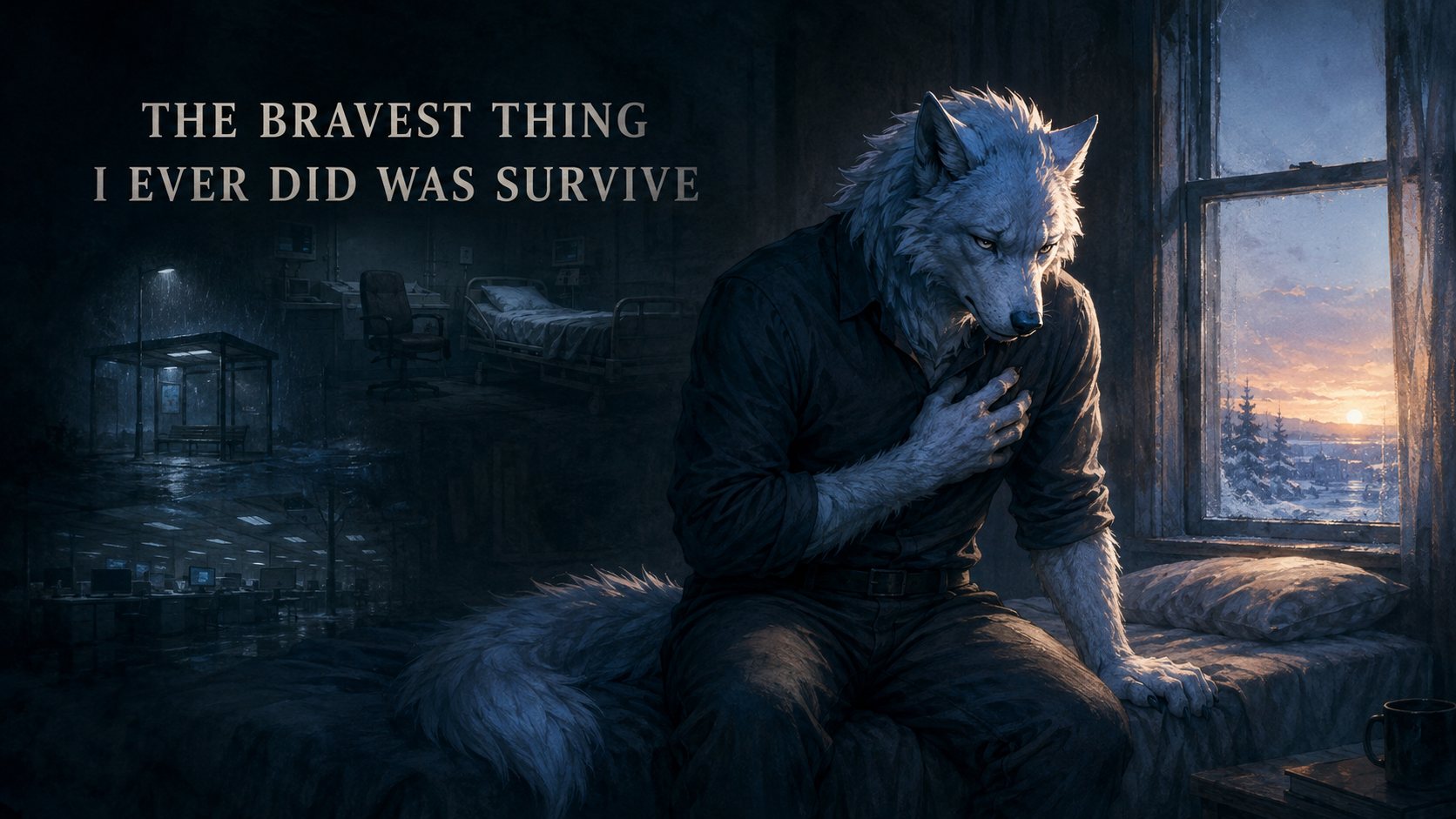





It was not one dramatic moment. It was thousands of ordinary mornings when I was mentally exhausted, emotionally empty and physically tired, but still forced myself to get out of bed. I have lived with depression, anxiety, low self-worth and a mind that rarely becomes quiet since I was around fifteen. Some days, simply beginning the day felt like an impossible test.
Psychologically, survival is often misunderstood because it does not always look like strength. Long-term stress can keep the nervous system moving between constant alertness and emotional shutdown. Anxiety keeps the thoughts running, depression removes energy and motivation, and lack of sleep makes it harder to regulate emotions. Eventually, the mind may begin filtering pain into the background just so necessary tasks can remain in the foreground.
That is how I learned to function. I could go to work, speak to customers, smile when someone looked at me and appear completely normal. Then the smile would disappear when the interaction ended. People saw the version of me required by the situation. They did not see the mental energy it took to maintain that version.
For the final five years of my father’s life, I helped care for him while my own strength was disappearing. I continued working, cooking, cleaning and handling everyday responsibilities. I was there when his heart stopped. The day after he died, my boss told me I could stay home, but I chose to work because being alone with my own mind felt worse than going in.
That was not because I did not love him or because his death did not affect me. It was because routine had become part of how I survived. Work gave my mind something concrete to hold onto when grief had made everything else feel empty and unsafe.
There were still moments when the walls failed. Sometimes the pressure escaped while I was alone, such as crying while waiting for a bus, before I managed to rebuild enough control to continue home. Most people never saw those moments. They only saw that I kept arriving, kept working and kept saying that I was fine, busy or tired because explaining the truth required energy I did not have.
Physically, years of limited sleep, work and caregiving left me exhausted. Mentally, I was fighting thoughts that other people could not hear. Emotionally, I was carrying grief, loneliness and pain while trying to prevent them from taking control of every part of my life.
Bravery is not always running toward danger without fear. Sometimes it is quietly making it through another hour when your own mind has become the place you fear most. It is eating something, going to work, completing one necessary task and choosing to remain here even when nobody is present to praise you for it.
Nobody was watching most of those battles. There was no applause, reward or moment when everything suddenly became easy. I did not survive because I felt powerful. I survived by doing the next thing, and then the next, until another day had passed.
The hardest thing I have ever done was stay alive long enough to become someone who could look back and understand that surviving was not weakness.
It was courage.


Leave a Reply